

Creating a Login or Signin page is a very interesting part of any website or portal, user login or database access. Generally this happens at the backend depending on the type of your database and a connecting tool.
I am using Microsoft SQL Server for the database and Microsoft Visual Studio as the IDE.
The procedure for doing this is explained below in a simple and compact way, here we go.
Basically all these steps occurs in the backend, except a very few.
Step 1: Connectivity
In the very first step the database connectivity occurs and this step creates a link or an interface between the database and your domain, through which the data can be accessed easily anytime without any distinction.
Backend Process
The sub steps involved in it are:

Step 2: Database Access
After establishing a link between the database and your domain tool, now the data will be accessed depending on the use or priority of the end user.
Backend Process
This step has these sub steps under it:
Step 3: User Session
The detail view of the user session and all the major and minor details I have already mentioned in my previous article.
(So I want you to have a look at that article before proceeding further, because that article will give you a precise description of the view of the session process along with maintenance and other details.)
Backend Process
- Session
- Maintenance
Step 4: Procedure
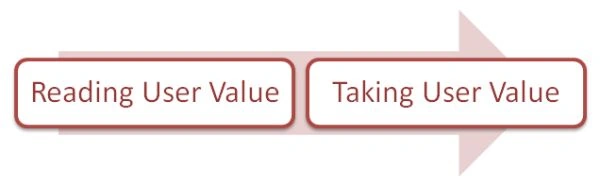
The the user session will get in the race. The next steps will join them. Some of these procedural steps occur due to end user activity like a Click event (on button press) or we can say that this occurs when a user clicks on a button for the purpose of logging in or signing in into an already registered account.
(Initiated at the front end by a click event and the other steps follow it at the backend afterwards.)
The sub steps under this procedural step are as follows.

Step 5: Finish
This is the final backend process. Under this process there are also two steps to be done, these steps are:

Under Response there are still two possibilities that can happen, they are:
- Login
- Invalid Login
Functioning | Example Code
Under this you need to only code in the .cs file, for that open Visual Studio, then follow the procedure as I described In the previous article, maintaining user session.
(Follow the procedure in that article.)
Code here: (in .CS file)

Code
- using System;
- using System.Collections.Generic;
- using System.Linq;
- using System.Web;
- using System.Web.UI;
- using System.Web.UI.WebControls;
- using System.Configuration;
- //connectivity
- using System.Data;
- //diconnection mode
- using System.Data.SqlClient;
- // login time
- public partial class Login : System.Web.UI.Page
- {
- SqlConnection con;
- SqlCommand cmd;
- // object
- SqlDataReader dr;
- // it will read data
- int i = -1;
- // no login yet
- string id, ;
- // it will take user value
- protected void Page_Load(object sender, EventArgs e)
- {
- }
- protected void Button1_Click(object sender, EventArgs e)
- {
- Try
- {
- con = new SqlConnection(configurationManager.connectionString("ABC").connectionString);
- con.Open();
- string cmdst = "select name, word from reg where uid='" + TextBox1.Text.Trim() + "'";
- // trim removes whitespaces
- cmd = new SqlCommand(cmdst, con);
- dr = cmd.ExecuteReader();
- // help in reading data
- while (dr.Read())
- {
- id = dr[0].ToString();
- = dr[1].ToString();
- }
- if (id.Equals(TextBox1.Text.Trim()) && .Equals(TextBox1.Text.Trim()))
- {
- Session["Response"] = id;
- // creating a session
- i = 0;
- // user login
- }
- }
- catch (Exception pp)
- // exception handling
- {
- }
- finally
- // connection termination
- {
- con.Close();
- if (i == 0)
- // condition for rechecking
- {
- Response.Redirect("Profile.aspx");
- }
- Else
- {
- lblMessage.Text = "Invalid Login!";
- // label
- lblMessage.Visible = true;
- // label
- }
- }
- }
- }
Abhishek JaiswalPosted Feb 25, 2014, 8:23 AM
thanks for what sir ? :) :)
jayaram venkatanarayananPosted Feb 25, 2014, 6:48 AM
Thanks