

and Design terminology, the system development life cycle also means software development life cycle.
OR
We can say that it is the conceptual model that describes the stages involved in an information system development project in project management.
Why SDLC is necessary?
Software Development Life Cycle (SDLC) is recognized by different website and software developers all over the world. However there's always a question of the need to implement this type of planning. We all know that SDLC could help us answer specific needs of different users. That is a given. But could that problem be answered when you are already familiar with that specific difficulty? In-house developers could even create the software on their own without consultation to users since they are also a part of the user group and has a clear understanding of what is needed. Clearly, SDLC is not needed to create software in this environment.
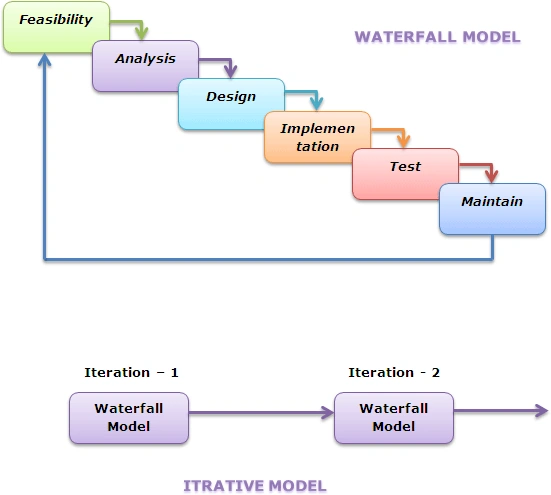
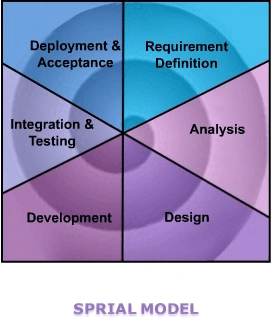
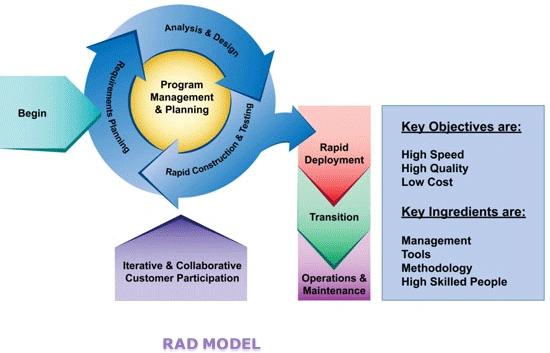
Various SDLC methodologies have been developed to guide the processes involved including the waterfall model (the original SDLC method), rapid application development (RAD), joint application development (JAD), the fountain model and the spiral model.
Various System Development Life Cycle models are:
- Waterfall Software Development Life Cycle Model
- Prototyping Software Development Life Cycle Model
- Iterative Enhancement Model
- The Spiral Model
- Object Oriented Methodology
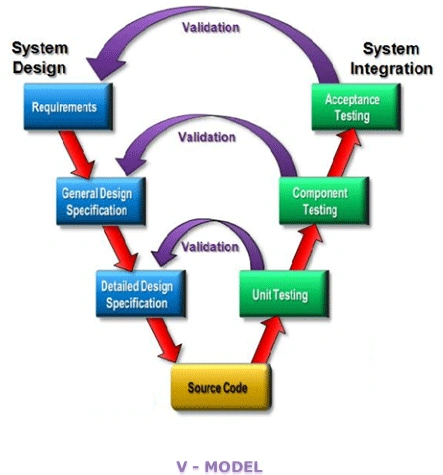
- V- Model Methodology
- Joint application development (JAD)
- Rapid application development (RAD)
From the above models first the SDLC method that describes the various phases involved in the development is the classic Waterfall model methodology which is shown below:

Jaque JarowskiPosted Mar 1, 2021, 9:25 AM
Thank you for sharing such knowledge about the software development lifecycle model, i.e. from collecting and analyzing requirements, designing, implementing or coding, testing, deploying, maintaining, that really helps you understand the software development lifecycle model.
Sam HobbsPosted Apr 28, 2011, 2:57 PM
Thank you for this; I think it is a good beginning for understanding SDLC. I think one thing that would help is to emphasize the "cycle" part of Software Development Life Cycle. SDLC is designed to be reiterative in two ways; a design phase is supposed to be initiated when any changes are made (requested or discovered) to the design. In other words, when changes are discovered, coding is supposed to stop until an appropriate redesign is completed. Also, in the real world, systems undergo extensive changes. Businesses change the way they do business. Management changes and do things differently. The laws change in ways that affect software. The SDLC can be highly effective for many years after a system has been developed. I think all this is fundamental and critical to the SDLC and it helps to emphasize these.