

Introduction
With the rise of digital transactions and remote interactions, the need for robust identity verification and fraud prevention has never been greater. Azure Cognitive Services offers powerful AI-driven tools that enable businesses to authenticate users, detect fraudulent activities, and ensure a seamless and secure digital experience.
This article explores how Azure Cognitive Services can be leveraged for identity verification and fraud detection, along with a step-by-step implementation guide.
Why Use AI for Identity Verification & Fraud Prevention?
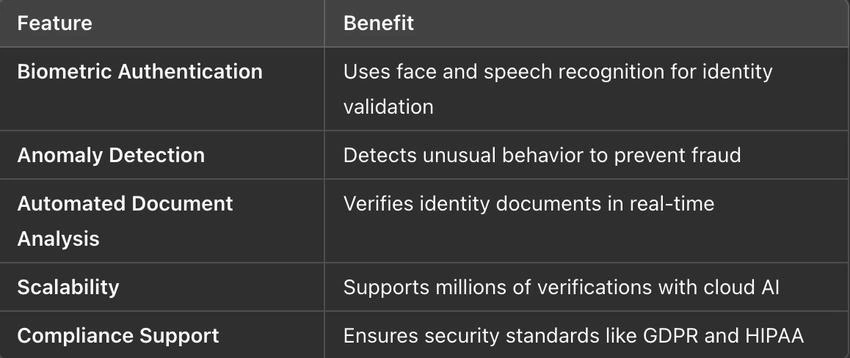
Key Azure Services for Identity Verification & Fraud Prevention
- Azure Face API: Enables facial recognition and verification.
- Azure Text Analytics: Extracts and verifies information from documents.
- Azure Anomaly Detector: Identifies suspicious behavior and fraud patterns.
- Azure Form Recognizer: Automates document processing for ID verification.
- Azure Speech Services: Enables voice-based authentication.
Implementing AI-Based Identity Verification with Azure Cognitive Services
Step 1. Setting Up Azure Face API for Facial Recognition.
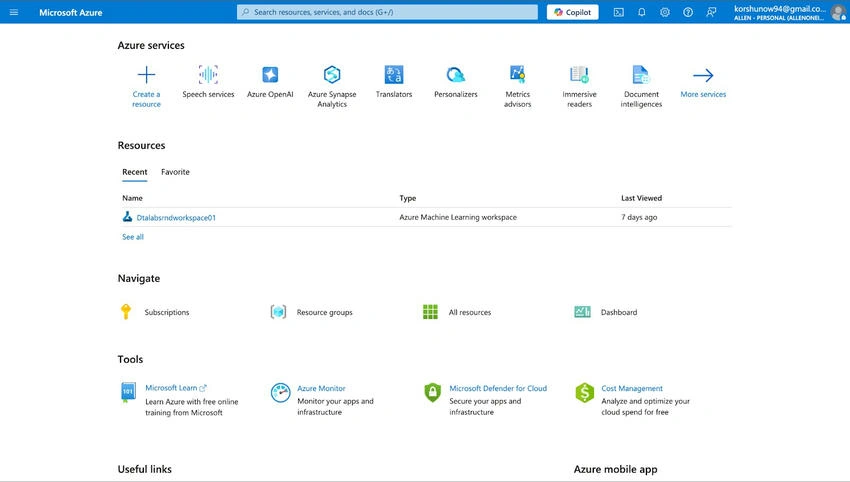
Step 1.1. Create Azure Face API Resource.
- Navigate to Azure Portal.
- Create a new resource and select Face API.
- Obtain the API Key and Endpoint for further integration.
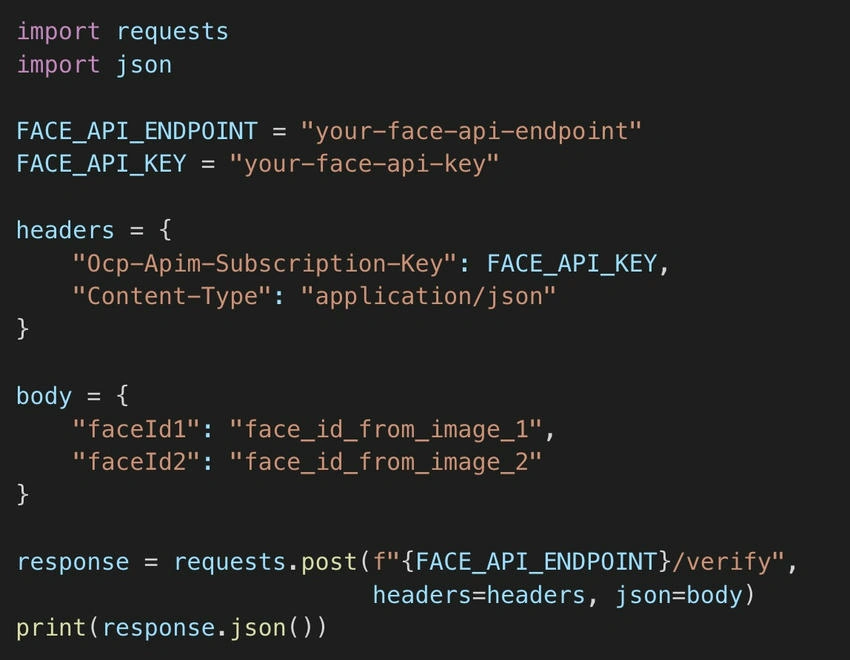
Step 1.2. Perform Face Verification.
The following Python script compares two images to verify if they belong to the same person.
Step 2. Identity Document Verification with Azure Form Recognizer.
- Upload scanned documents (e.g., passports, driver’s licenses) to Azure Blob Storage.
- Use Azure Form Recognizer to extract and validate identity information.
- Compare extracted data with user inputs for verification.
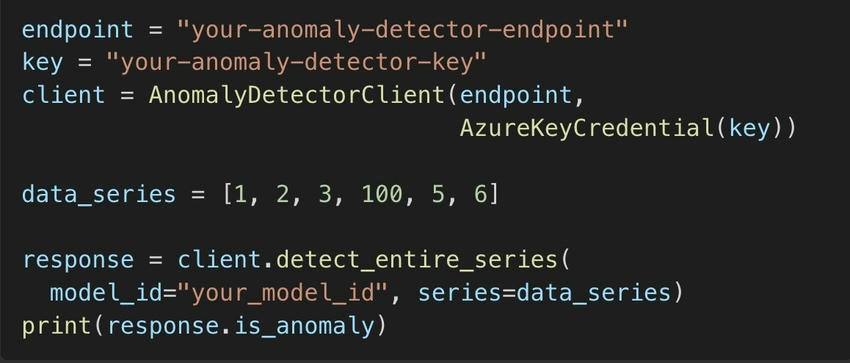
Step 3. Fraud Detection with Azure Anomaly Detector.
Azure Anomaly Detector identifies fraudulent activities by analyzing user behavior. The following workflow outlines the fraud detection pipeline.
- Ingest User Activity Data: Collect login attempts, transaction history, and access logs.
- Apply Anomaly Detection: Use Azure’s AI model to flag unusual patterns.
- Trigger Security Actions: Restrict access, require multi-factor authentication or alert security teams.
Sample Fraud Detection Code
Real-World Applications
- Banking & Finance: Preventing fraudulent transactions and identity theft. AI models help detect unusual transaction patterns, flagging potential fraud before it causes damage. Financial institutions also use biometric authentication to verify customers and reduce identity theft.
- E-Commerce: Verifying customer identities before high-value purchases. Online retailers employ AI to analyze purchasing behavior, preventing unauthorized access to accounts and reducing chargeback fraud. Some platforms integrate AI-powered ID verification for secure transactions.
- Healthcare: Securing patient data and preventing insurance fraud. AI-powered identity verification ensures that only authorized personnel access sensitive patient information, reducing data breaches. Additionally, anomaly detection models identify fraudulent insurance claims, preventing financial losses.
- Government Services: Automating citizen identity verification. AI assists in electronic voting, passport applications, and other services requiring strict identity verification. Automated checks reduce manual workload and enhance process efficiency, ensuring security in public services.
Conclusion
Azure Cognitive Services revolutionizes identity verification and fraud prevention by providing AI-powered solutions that enhance security while maintaining a seamless user experience. By integrating Face API, Form Recognizer, and Anomaly Detector, organizations can significantly reduce fraud, protect sensitive data, and build trust with their users.
Ready to enhance security with Azure AI? Start by exploring Azure Cognitive Services today!
Next Steps
- Learn more about Azure Cognitive Services
- Explore Azure Security Center for advanced fraud detection
Join the conversation! Your thoughts help the community grow.