

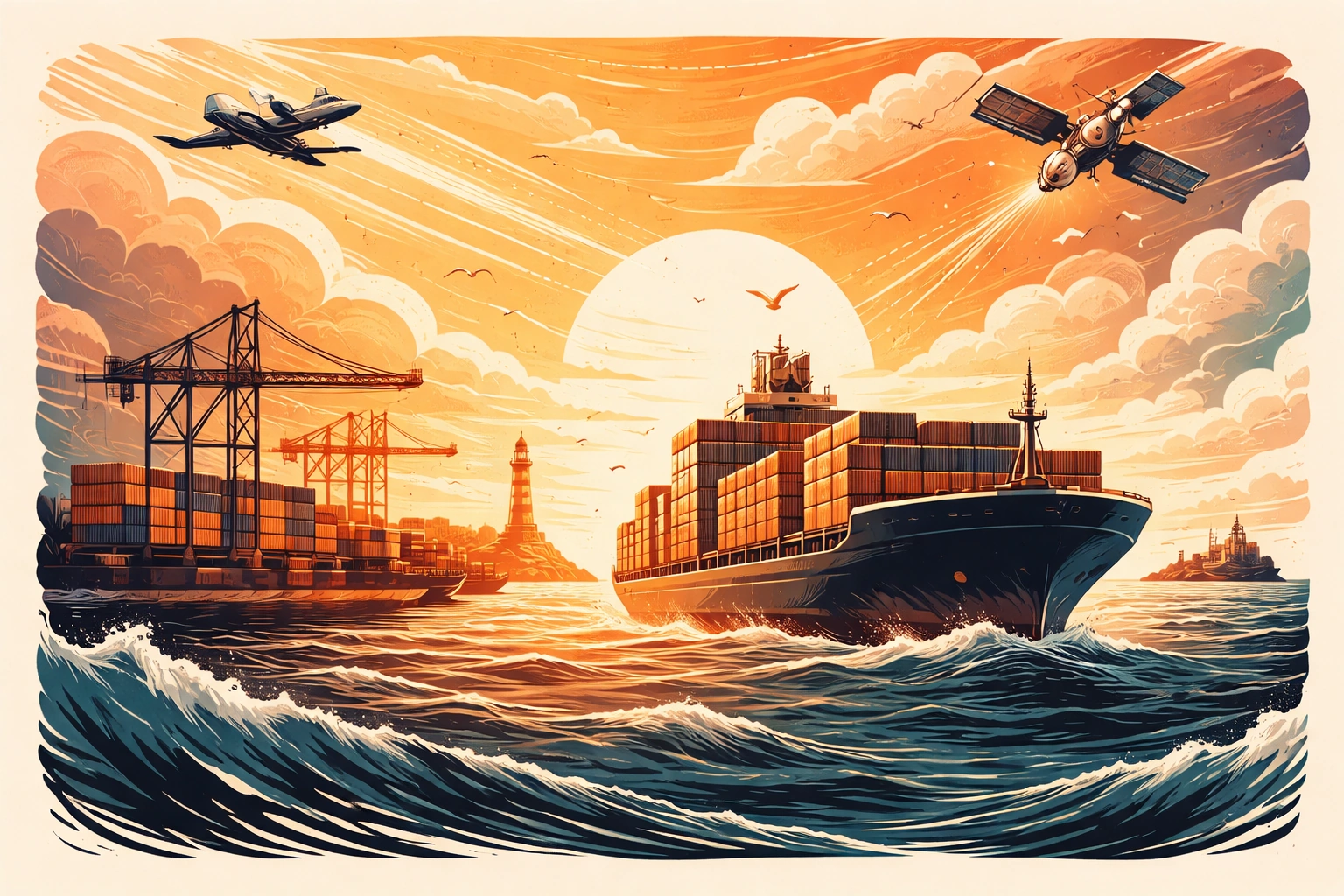
Global trade depends on maritime transport. Over 80 percent of goods move by sea. Yet shipping remains exposed to volatility. Weather patterns shift. Port congestion fluctuates. Fuel costs vary daily. Regulatory pressure around emissions continues to rise. Azure AI enables shipping companies to transform from reactive operators into predictive, intelligence-driven networks.
Navigating uncertainty at sea
Maritime logistics operates across vast distances and long timelines. Small inefficiencies compound quickly. A few hours of delay can ripple across supply chains. Azure enables ingestion of vessel telemetry, weather data, port schedules, and fuel consumption metrics in near real time.
Azure Synapse Analytics unifies these datasets, while Azure Machine Learning models forecast optimal routing paths. Instead of relying solely on static schedules, vessels can adjust routes dynamically based on live conditions.
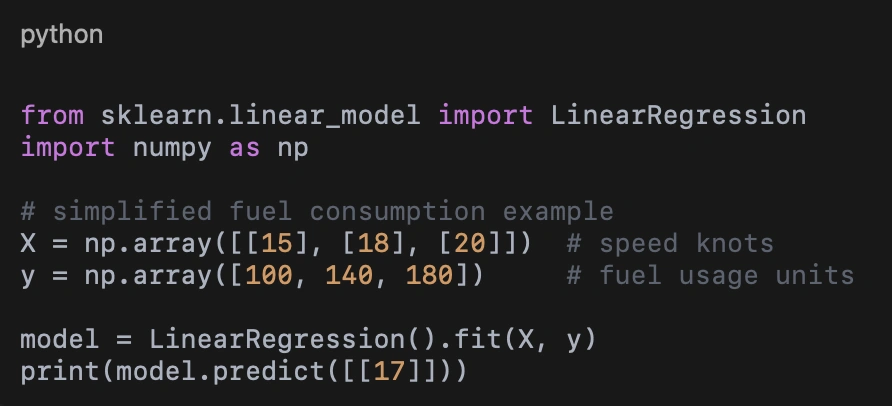
Even small optimisation in speed selection can significantly reduce fuel cost and emissions.
Predictive port intelligence
Port congestion is a major source of delay. Azure AI models can analyse historical arrival patterns, customs processing times, labour availability, and weather disruptions to forecast berth availability.
Shipping companies gain visibility into potential bottlenecks days in advance. This allows route adjustments or cargo prioritisation before delays become critical.
Predictive intelligence reduces idle time and improves reliability.
Fleet health and maintenance
Vessels operate in harsh environments. Engine failures or component degradation at sea are costly and dangerous. Azure IoT Hub collects engine vibration data, temperature readings, and mechanical diagnostics continuously.
Machine learning models identify early signs of wear. Maintenance can be scheduled at the next planned port call rather than during emergency situations. Over time, fleet reliability improves and unplanned downtime decreases.
Emissions compliance and sustainability
The maritime industry faces increasing environmental regulation. Azure AI enables detailed monitoring of fuel efficiency and emission output. Models can recommend speed adjustments or alternative routing to minimise environmental impact.
This supports compliance while reducing operational cost. Sustainability becomes measurable rather than aspirational.
Risk modelling in global logistics
Geopolitical events, piracy zones, and extreme weather introduce additional risk. Azure AI integrates external intelligence feeds with operational data to assess exposure levels along planned routes.
Decision-makers gain probabilistic insight rather than anecdotal judgement. Risk becomes quantifiable and manageable.
Governance and data security
Shipping data includes trade routes, cargo manifests, and commercial contracts. Azure provides encryption, access control, and audit logging across the data pipeline.
Responsible AI tooling ensures routing and risk models remain transparent and explainable, particularly when safety is involved.
Strategic impact
Maritime operations have historically relied on experience and manual planning. Azure AI enhances that expertise with data-driven foresight. Shipping companies that adopt predictive routing and intelligent fleet management will operate more efficiently and sustainably.
In a margin-sensitive industry, small improvements compound rapidly.
Looking ahead
As global trade becomes more complex, static planning will struggle to cope. Predictive optimisation will define competitive advantage. Azure provides the scalable platform required to support this transformation across fleets and continents.
🔗 Further Learning:
Join the conversation! Your thoughts help the community grow.