

Introduction
With the remote desktop connection in Windows 10, you can connect to a computer running Windows from one more computer running Windows, which is linked to the same network or to the Web. For instance, you should utilize your entire work PC's projects, documents, and system assets from your home PC and it's much the same, as you're sitting before your PC at work.
To connect to a remote PC, the PC must be turned on. It should have a system association. Remote desktop must be empowered and you should have arranged access to the remote PC (this could be via the internet) and you should have the authorization to connect. For an authorization to connect, you need to be on the record of the users. Earlier when you start a connection, it's an excellent idea to look into the name of the PC with which you're interfacing and to ensure Remote Desktop associations are permitted by way of its firewall.
In case, your client account doesn't require a password to sign in, you have to add a password earlier than you're allowed to start a reference with a remote PC.
To allow remote connections on the PC’s, follow some steps, as mentioned below.
Step 1
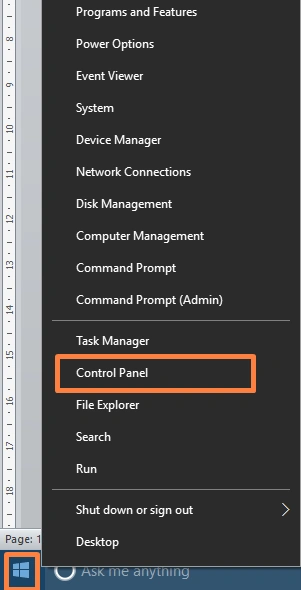
First, you can right-click on the Start icon and click Control Panel option.
Step 2
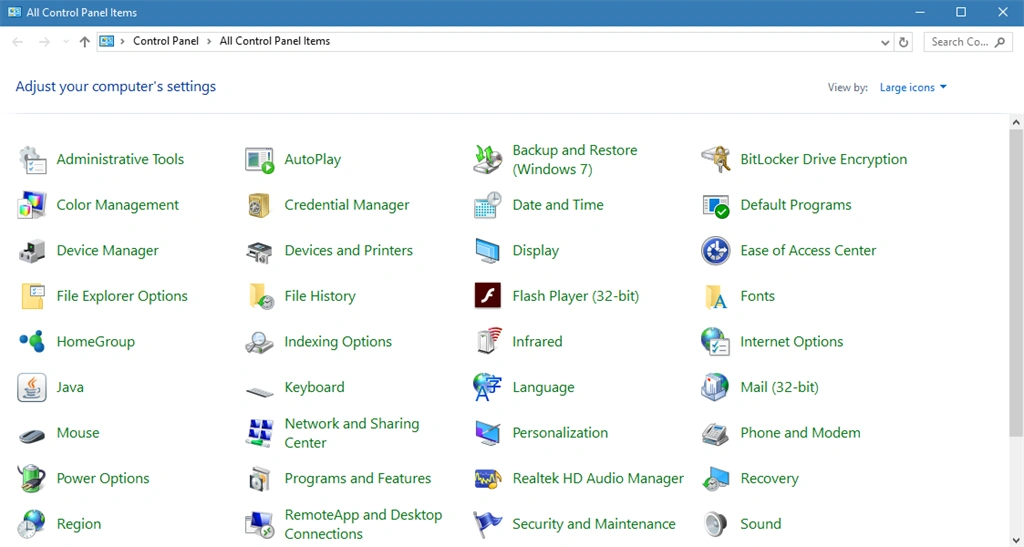
In this step, when you will click on Control Panel option, new dialogue box opens, as shown below.
Step 3
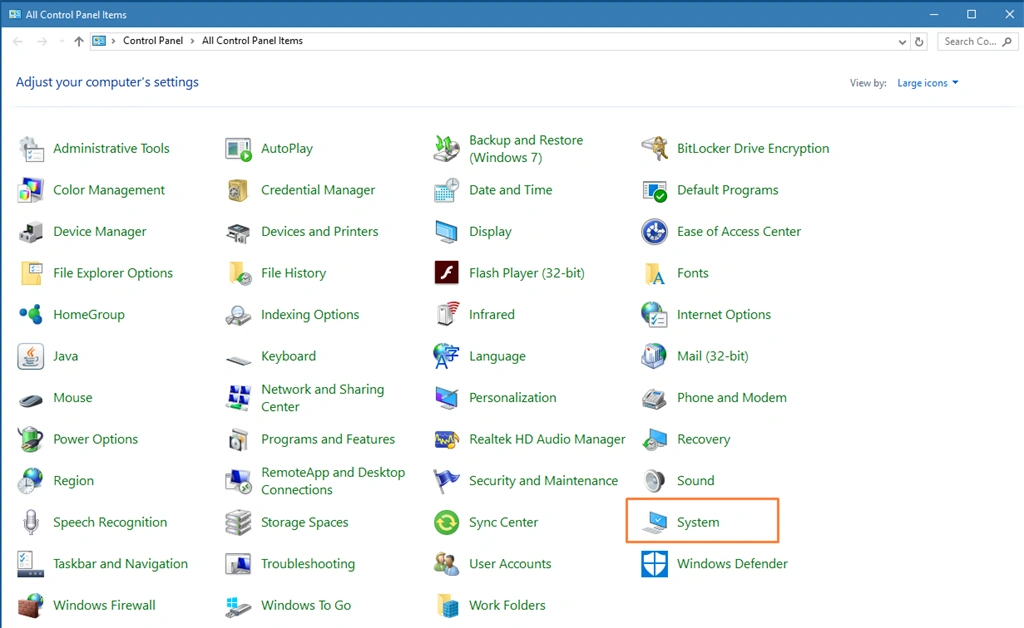
In this step, when the new dialogue box opens, you’ll find the system option, as shown below.
Step 4
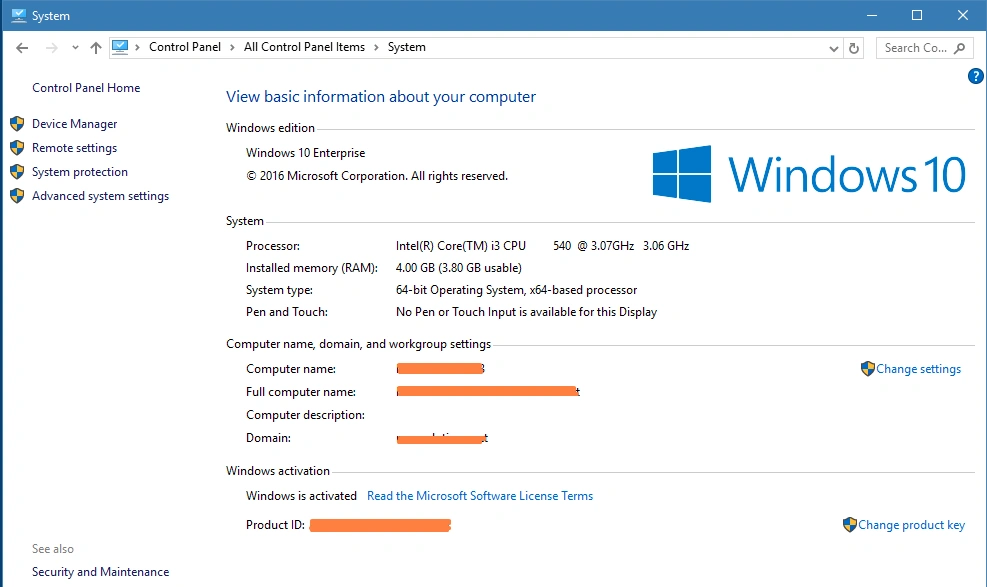
In this step, when you will click on system option, new dialogue box opens, as shown below.
Step 5
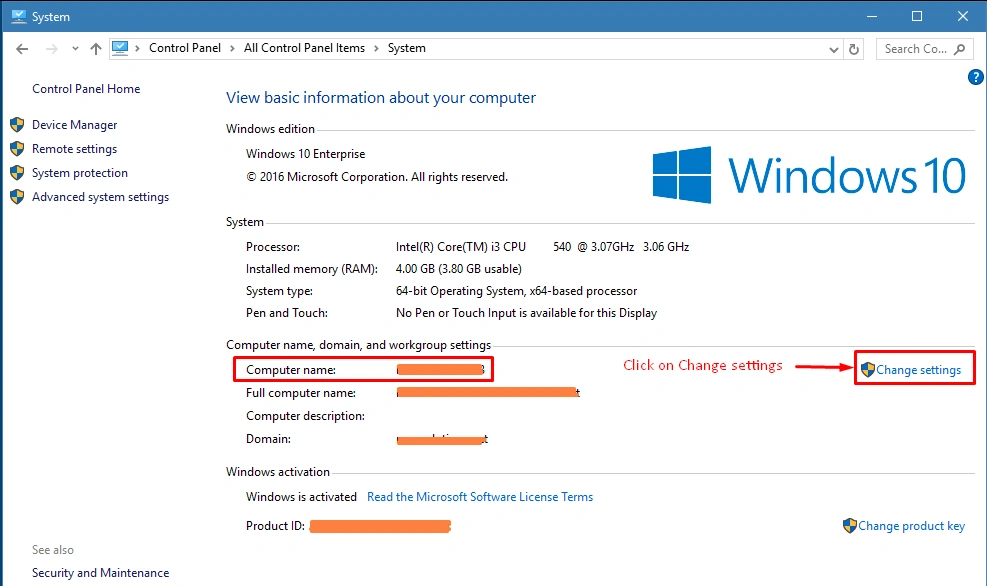
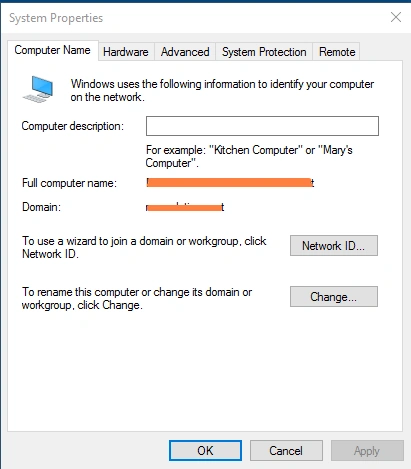
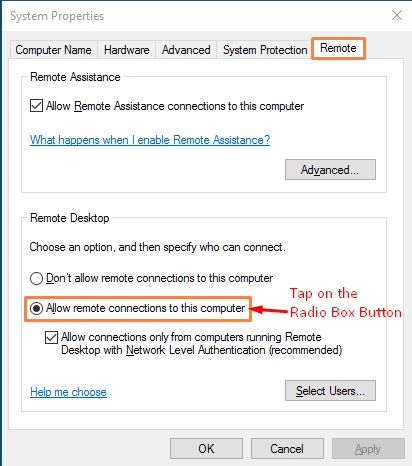
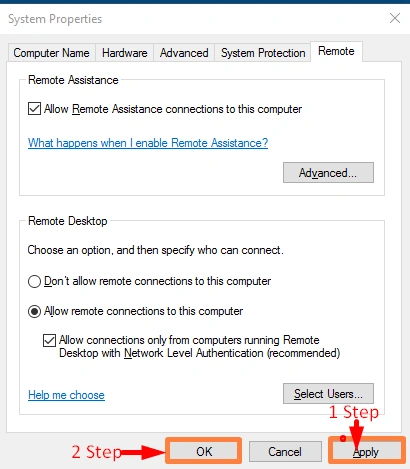
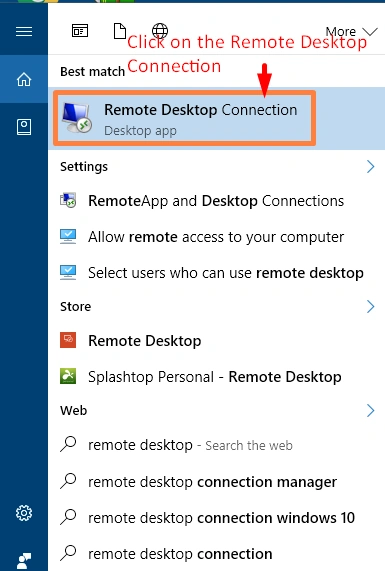
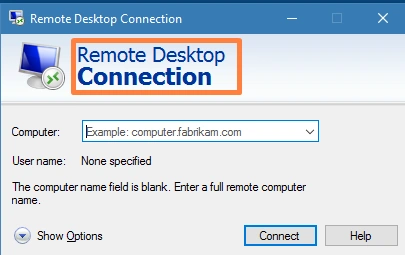
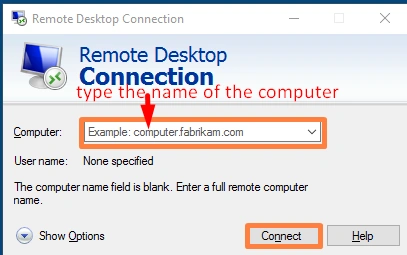
Juliet BellPosted May 17, 2018, 1:50 AM
Very complicated steps. Instead, use tools like on premise R-HUB remote support servers for remotely accessing MAC and Windows computers. It provides a simple and easy to use interface and works from behind the firewall, hence better security.
Joe WilsonPosted Dec 3, 2016, 1:04 PM
Thank you very much for sharing this.