

In modern reporting systems, dashboards are only valuable if the data behind them is up to date. Manually refreshing datasets is not practical in production environments. This is where Scheduled Refresh in Power BI becomes essential.
This article explains how scheduled refresh works, when to use it, configuration steps, limitations, and best practices.
What is Scheduled Refresh in Power BI?
Scheduled Refresh allows Power BI Service to automatically refresh your dataset at predefined intervals without manual intervention.
When enabled:
Power BI connects to your data source
Re-runs the queries defined in Power Query
Updates the dataset
Reflects new data in reports and dashboards
This ensures stakeholders always see updated insights.
Where Scheduled Refresh Works
Scheduled refresh is configured in:
Power BI Service (app.powerbi.com)
It does not run inside:
Power BI Desktop
Power BI Desktop is only used for development and publishing.
Types of Refresh in Power BI
Understanding refresh types is important before configuring schedules.
1. Import Mode Refresh
Data is loaded into Power BI storage.
Scheduled refresh is required.
Most common scenario.
2. DirectQuery
Data is not stored in Power BI.
Queries run live against the source.
No scheduled refresh needed (but caching may apply).
3. Live Connection
Connected to Analysis Services.
Refresh handled at source system.
Real-World Use Case Example
Imagine a Sales Dashboard:
Data comes from SQL Server.
Refresh scheduled at 8 AM daily.
Sales team logs in at 9 AM.
They always see updated numbers.
Without scheduled refresh, reports become outdated and unreliable.
How to Configure Scheduled Refresh
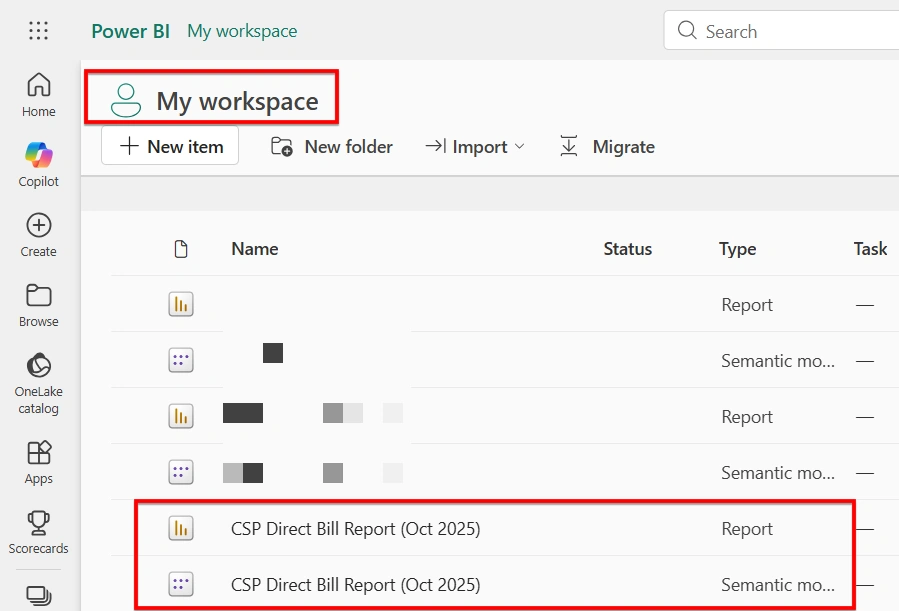
Step 1: Publish Report
From Power BI Desktop → Publish to Workspace.
Step 2: Open Dataset Settings
In Power BI Service:
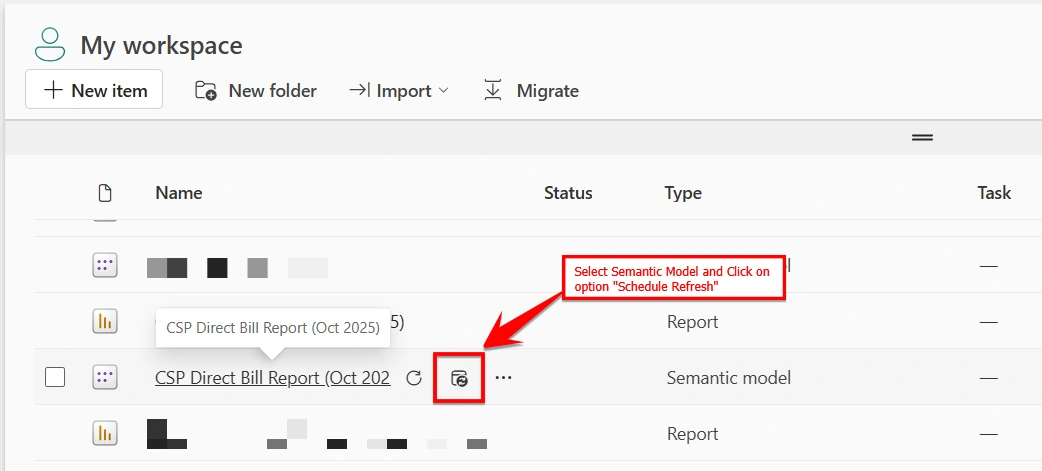
Go to Workspace
Select your Report Name with Type as : Semantic Model
Click the "Schedule Option"
OR
Click on Horizontal dots (...) and Open Settings
OR

Settings would look like this:

Step 3: Configure Data Source Gateway
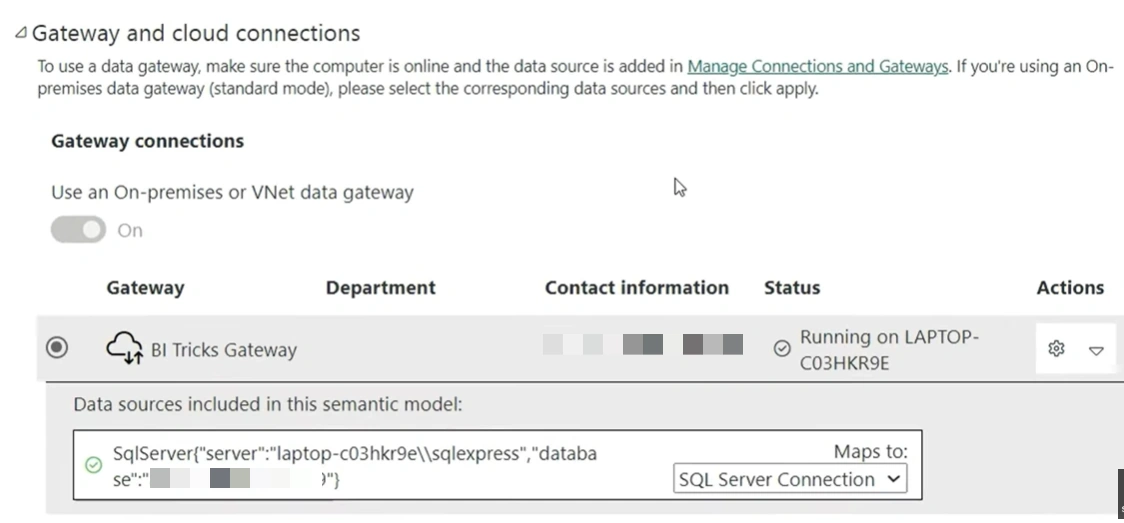
If your dataset requires an Gateway make sure Gateway connection is successfully configured.
Example 1 : Incase of an SQL Server (On - premise Data)
Example 2: Incase of an Online Cloud Data :

Note : This gateway is not required incase the source of your report is your Cloud Data like SharePoint Online but if it is On-premise it requires an gateway.
Step 4: Enable Scheduled Refresh
Set toggle to Configure a refresh schedule as "ON"
Select refresh frequency
Choose time slots
Apply

Refresh Frequency Limits depends on license:
Power BI Pro - Up to 8 refreshes per day
Premium - Up to 48 refreshes per day
Higher frequency is useful for near-real-time reporting.
Step 5: Output
As we can see below; Next refresh for this report is successfully scheduled.

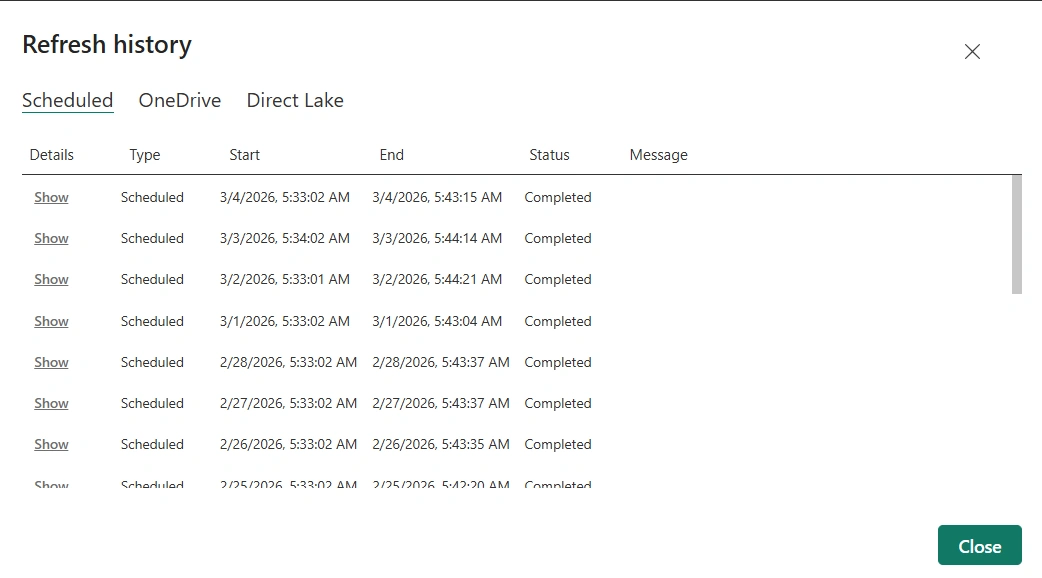
Step 6: Monitoring Refresh History
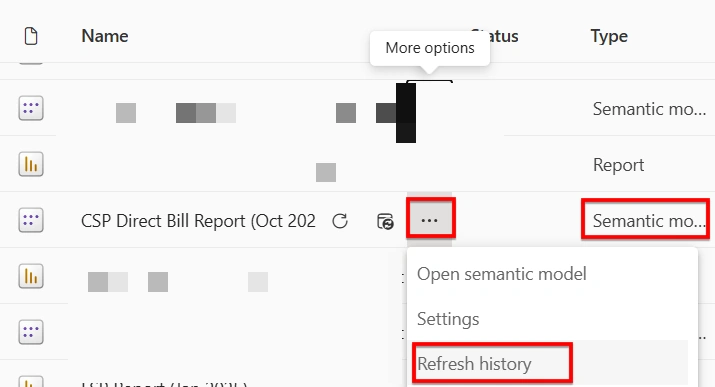
In Power BI Workspace, select Semantic model report --> More Option (... horizontal 3 dots) --> Select Refresh History
Power BI Service provides
Refresh history logs
Duration details
Failure messages
This helps in troubleshooting production issues.
Common Refresh Failures
1. Expired Credentials : Solution: Re-authenticate in dataset settings.
2. Gateway Offline: Solution: Restart gateway service.
3. Query Timeout: Solution: Optimize queries or increase timeout settings.
4. Large Dataset Size: Solution: Use incremental refresh.
Conclusion
Scheduled refresh in Power BI is not just a feature it is the backbone of reliable reporting. Proper configuration ensures:
Accurate insights
Automated updates
Reduced manual effort
When implemented correctly, it transforms static reports into dynamic decision - making tools.
Join the conversation! Your thoughts help the community grow.