

Introduction
Components in a cloud refer to the platforms, like the front end, back end, and cloud-based delivery and the network that used. All together forms an architecture for cloud computing. With the main components like SAAS, PAAS, and IAAS there are 11 more major categories in cloud computing that we will explain here.
Storage-as-a-Service: This is the component where we can use or request storage, like as we do it physically using the remote site. It is also called disk space on demand. This is the main component where even other components will have a base component as Storage-as-a-Service.
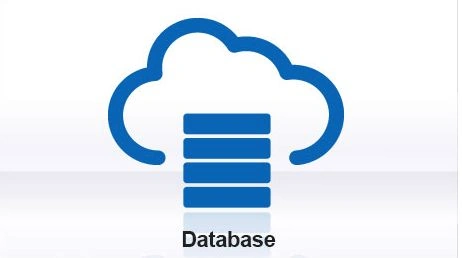
 Database-as-a-Service: This component acts as a live database from the remote where its functionality and other features work as though a physical db is present in the local machine. Its main objective is to reduce the cost of DB using many software as well as hardware.
 Information-as-a-Service: Information that can be accessed remotely from anywhere is called Information-as-a-Service. Here the information will be fetched remotely. This includes, for example, live stock prices, internet banking, online news, credit card validation, and so on.
 Process-as-a-Service: This component combines various resources such as data and services. This happens either hosted within the same cloud-computing resource or remotely. Mainly this is used for business processes where various key services and information are combined to form a process. This helps deliver on-demand. For example mobile networks (internet settings are sent as soon as activated).
 Application-as-a-Service: Application-as-a-Service (also known as SAAS) is the complete application built ready for use by the client. This is built to use the internet to the end-users and the end-users normally use browsers and the internet to access this service. This component is the ultimate front-end for end-users. Some of the applications are Salesforce, Gmail, Google calendar, and so on.
 Platform-as-a-Service: This is the component where the app is being developed and the database is being created, implemented, stored, and tested. In recent times this component allows the creation of enterprise-level applications easily and is cost-effective.
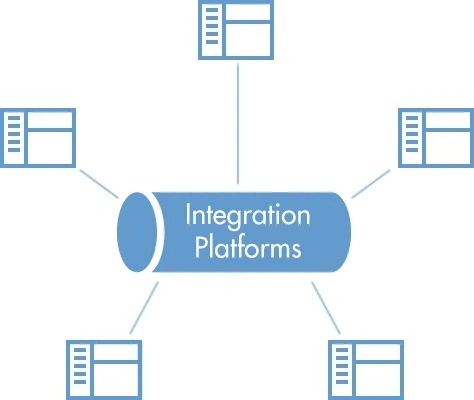
 Integration-as-a-Service: Integration-as-a-Service deals with the components of an application that has been built but must be integrated with other applications. It helps in mediating between the remote servers with the local machines. Stacks from the cloud are fetched and communicated with local machines. For example, salesforce has recently integrated Google maps into it.
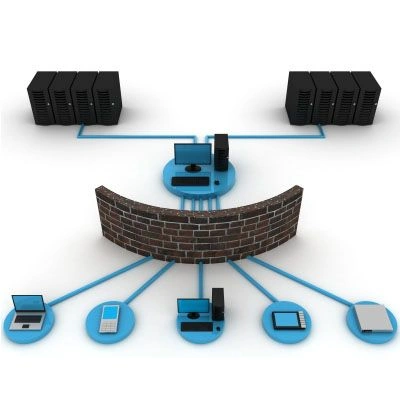
 Security-as-a-Service: This is the main component many customers require. Whoever goes for a cloud environment needs security features a lot since all the data and operations are handled remotely. There are three-dimensional securities found in cloud platforms.
 Management-as-a-service: This is a component that is mainly useful for the management of the clouds, like resource utilization, virtualization, and server up and downtime management. This will be like a small role from an admin point of view.
 Testing-as-a-Service: Testing-as-a-Service refers to the testing of the applications that are hosted remotely, whether there is a requirement to design a working database and there is enough security for the applications, and so on. This will be tested even with two or three cross clouds. This will also be a component in the development of cloud products.
 Infrastructure-as-a-Service: This is called as nearly as possible the taking of all the hardware, software, servers, and networking that is completely virtual. This is where all the processes and purchases of resources will take place in the cloud. Our processes will happen but we can't see what's happening at the backend. This avoids the running of multiple servers, heat, cold, temperature, and so on.
 Thus the following:
Figure 1: Storage-as-a-Service
Figure 2: Database-as-a-Service
Figure 3: Information-as-a-Service
Figure 4: Process-as-a-Service
Figure 5: Application-as-a-Service
Figure 6: Platform-as-a-Service
Figure 7: Integration-as-a-Service
Figure 8: Security-as-a-Service
Figure 9: Management-as-a-service
Figure 10: Testing-as-a-Service
Figure 11: Infrastructure-as-a-Service
- Storage-as-a-Service
- Database-as-a-Service
- Information-as-a-Service
- Process-as-a-Service
- Application-as-a-Service
- Platform-as-a-Service
- Integration-as-a-Service
- Security-as-a-Service
- Management-as-a-service
- Testing-as-a-Service
- Infrastructure-as-a-Service
Plays a major vital role in the cloud computing components.
Ab Rashid DarPosted Jun 11, 2018, 12:23 AM
The article is very informative and precisely explained the good concepts
Navratna PawalePosted Mar 31, 2016, 3:29 AM
Nice Article..
Stacey WhitePosted Sep 14, 2015, 9:14 AM
This has cleared a lot of my doubt, thanks for posting such nice and resourceful information.
Sharad DubeyPosted Jul 21, 2015, 10:21 AM
great artical
Yashwant VishwakarmaPosted Jul 20, 2015, 7:21 AM
Great article, easily understandable :-)
Abhishek JaiswalPosted Jul 19, 2015, 12:30 PM
Good one! :)
SharadPosted Jul 17, 2015, 3:55 AM
great efforts..
Nilesh JadavPosted Jul 16, 2015, 9:16 AM
Nice sharing sir
Chiheb ChebbiPosted Jun 29, 2015, 10:15 AM
great introduction
Sibeesh VenuPosted Jun 29, 2015, 3:10 AM
Good one...
Dominique CejaPosted Jun 28, 2015, 6:23 PM
Great article
Santhakumar MunuswamyPosted Jun 27, 2015, 3:38 AM
Thanks for good article
Rajeesh MenothPosted Jun 27, 2015, 1:43 AM
Good Kalyan
Gopi ChandPosted Jun 27, 2015, 1:41 AM
Rich content article
Sibeesh VenuPosted Jun 27, 2015, 12:31 AM
Good one.