


Background
Software development is all about writing code and developing solutions following requirements and processes. Managing code becomes complex with time and multiple contributors. In the real scenario, multiple developers work on the same project and write code on a daily basis. Tracking changes and merging those codes are hassle and time-consuming without any proper tools or platforms. Another issue is rollback which is not possible without using any version control tools. When it comes to writing code, source code management is another important factor to consider. Source code management is not only just storing the code safely but also tracking the changes, resolving the conflicts, and merging from multiple contributors.
There are several tools and platforms available for source code management with exclusive features.
In this article, I will elaborate on GitHub, one of the most used, cloud-based open-source communities to manage your source code plus extensive features with git repositories. In this article, I will cover the following points.
- What is Git
- What is GitHub
- What is GitHub Desktop
- Installation and Authentication of GitHub desktop
- How to create a Git repository
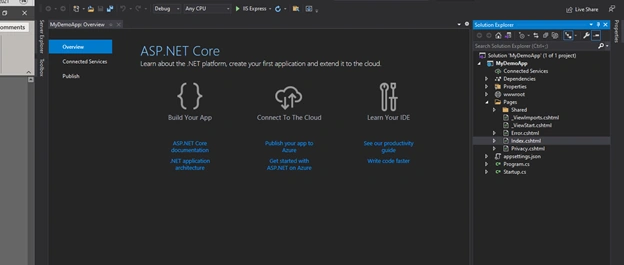
- Add a new project to the repository
- Add an existing project to the repository
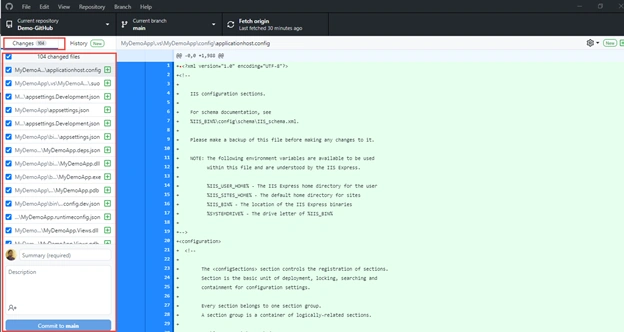
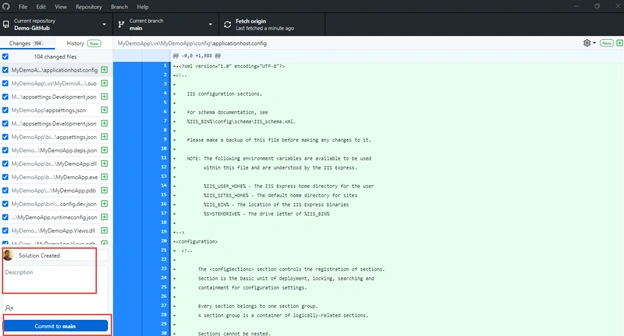
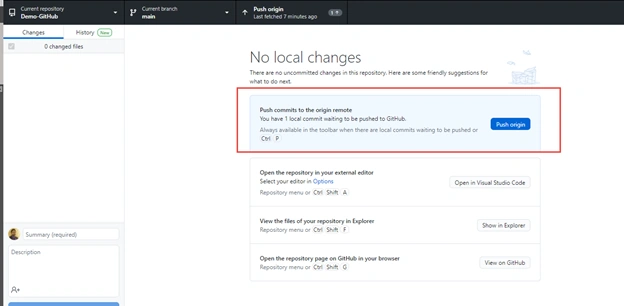
- Make and commit changes to the project
In this article, I will explain Git, GitHub, and GitHub desktop. Furthermore, I will be doing hands-on by creating a git repository, adding a project, doing the changes, and commit using GUI GitHub desktop without any command.
What is Git
Git is a version control system for managing the source code which keeps the track of it with many options. Basically, it is software to track the changes of files mostly used for coders to work collaboratively and source code management during the software development.
As per Git-SCM (https://git-scm.com/)
Git is a free and open-source distributed version control system designed to handle everything from small to very large projects with speed and efficiency.
Git is easy to learn and has a tiny footprint with lightning-fast performance. It outclasses SCM tools like Subversion, CVS, Perforce, and ClearCase with features like cheap local branching, convenient staging areas, and multiple workflows.
If you want to go in depth of Git, please check the link below,
https://git-scm.com/book/en/v2
What is GitHub
In simple terms, GitHub is the single largest cloud-based hosting service for managing git repositories which offer a wide range of functionality for source code management and version control as well as its own features. The best thing about GitHub is that it is completely free. You can create private as well public repositories with GitHub without any cost with some conditions. It is widely used to host open-source projects. As of now, GitHub's free plan allows the creation of unlimited private repositories with unlimited collaborators, however, there is a restriction of Git Actions up to 2000 minutes for those private repositories per month.
Along with Git, GitHub provides its own features like bug tracking, task management, code review, continuous integration/continuous deployment, likewise other features which make this platform more useful and interactive professionally.
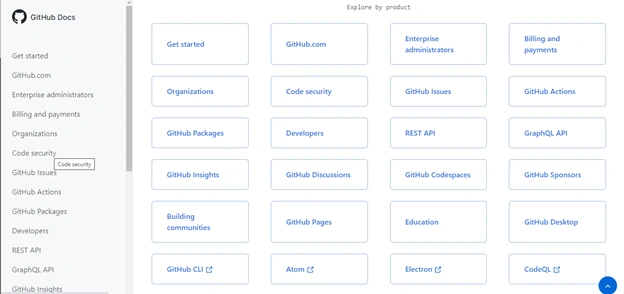
You can explore more on GitHub from this link: https://docs.github.com/en
What is GitHub Desktop
GitHub Desktop is an application that enables GUI-based interaction with GitHub. Git provides a wide range of commands for Git activities like creating repositories, commits, pull requests, and so on. However, GitHub desktop provides GUI-based those activities using best practices with Git and GitHub. We can use GitHub desktop to do most of the Git commands with UI and clicks which makes collaboration and working with Git more flexible. You can connect to your account, create git repositories, add projects, do the changes, and commit easily with the interface. I will be doing hands-on with the GitHub desk in this article.
Know more about GitHub desktop: https://docs.github.com/en/desktop/installing-and-configuring-github-desktop/overview/getting-started-with-github-desktop
GitHub Desktop is available for both Windows and macOS.
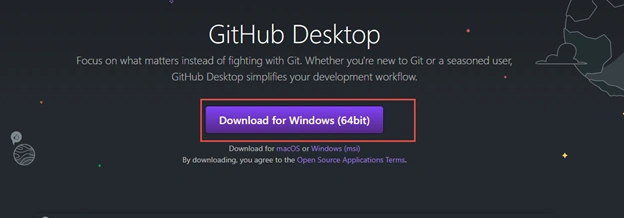
Link to download GitHub desktop: https://desktop.github.com/
Installation and Authentication of GitHub desktop
This is straightforward. We can download the setup file from the above link. We can install GitHub desktop in Windows 7 64 bit or later and macOS 10.10 r later.
Step 1
Download the package based on your OS. I will demonstrate with the Windows version.
Step 2
Double click the downloaded setup file and continue the setup.
Once the setup is completed, the GitHub desktop will launch.
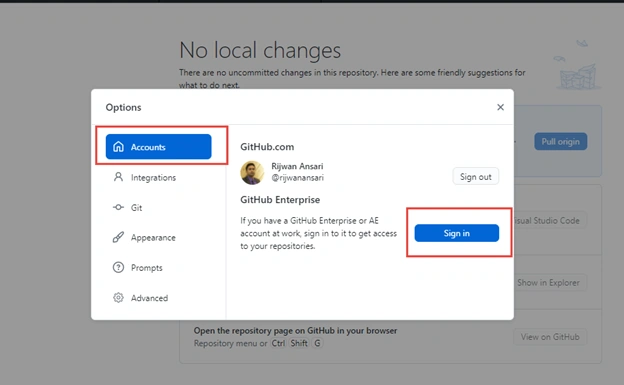
You can authentication securely with your account and access the resources from the GitHub desktop.
Open GitHub Desktop.
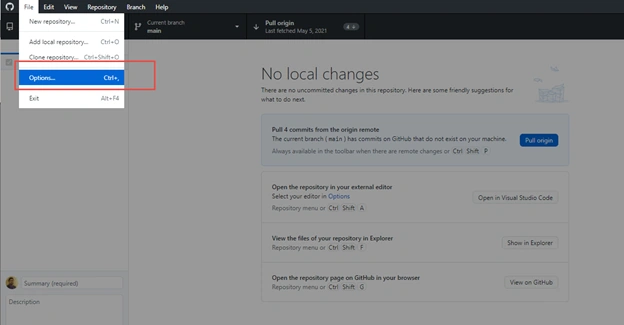
Click File and Options as shown above.
How to Create a Git Repository in GitHub
In this section, we will create a new Git repository in GitHub using GitHub desktop.
Click File in GitHub desktop as portrayed
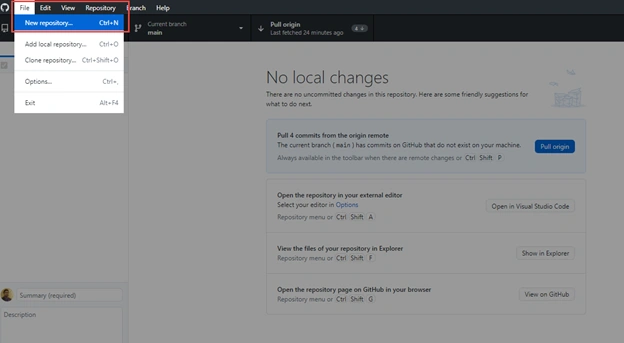
We will get an option to create a new repository which is shown. Additionally, there are other options like adding a local repository, clone repository.
We will select New Repository.
Then we will get the following options for creating a Git repository.
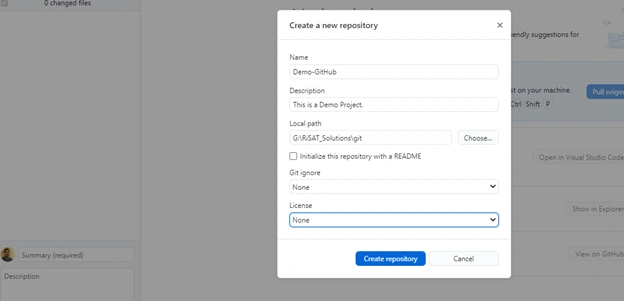
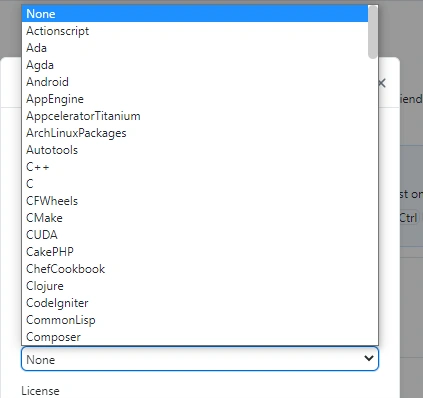
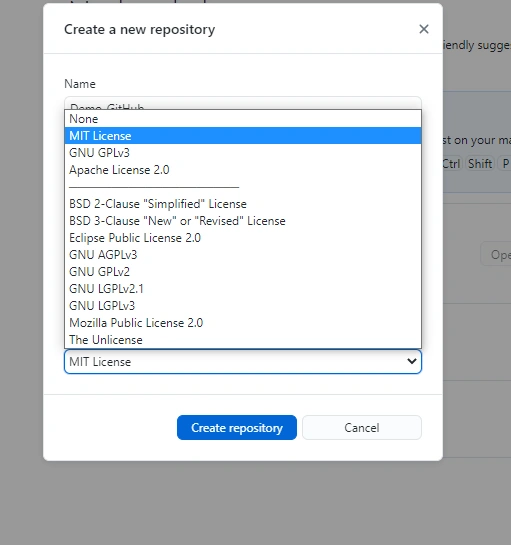
We will enter the following data,
Name: Name of Git Repository. In my case name is Demo-GitHub
Description: We can small description of this repository as shown
Local Path: We need to choose a local path for this repository where the actual project will be stored locally.
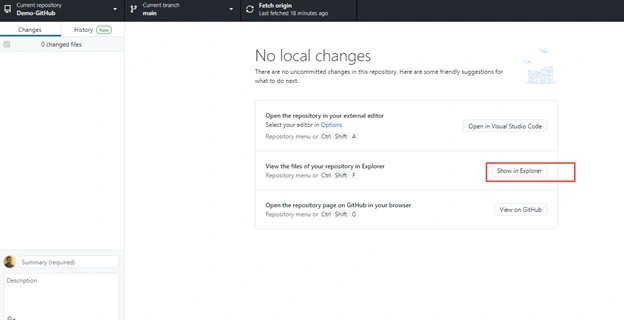
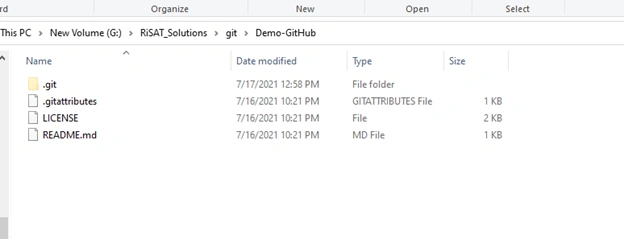
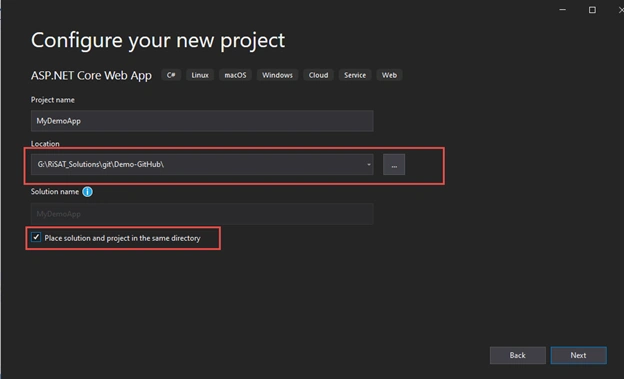
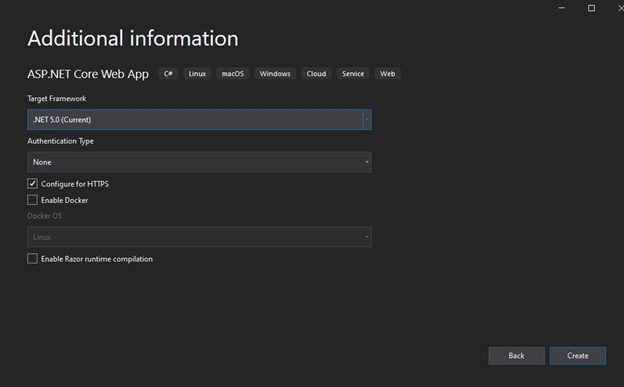
Join the conversation! Your thoughts help the community grow.