

The tech community is bidding farewell to a long-time linchpin in the world of open-source operating systems: CentOS 7. As of June 30, 2024, CentOS 7 has officially reached its end of life. For many years, CentOS stood as a steadfast choice for countless DevOps teams and web hosting companies, celebrated for its speed, reliability, and cost-effectiveness. Offering a free alternative to Red Hat Enterprise Linux (RHEL), it empowered organizations to manage their systems without the financial burden of top-tier support. However, like all technological innovations, its lifecycle has come to a close, leaving users with critical decisions to make.
The end-of-life status for CentOS 7 is not just a routine milestone but a significant transition point that brings substantial implications. Operating on a deprecated system like CentOS 7 is fraught with risks: there will be no more critical security updates, leading to potential vulnerabilities; compliance issues may arise, particularly for industries with stringent regulatory requirements; and operational inefficiencies can become more pronounced as system incompatibility grows. Thus, the pressing question for DevOps teams is: What should be the next step?
The Risks of Remaining on CentOS 7
As CentOS 7 reaches its end, the risks of continuing to use this version become more severe. Without regular updates, systems are exposed to new vulnerabilities that enter the digital landscape. Unpatched systems can become targets for cyberattacks, risking data breaches and system failures. For organizations that must adhere to compliance standards, such as GDPR or HIPAA, the lack of updates can lead to non-compliance, incurring fines and legal challenges.
Operational inefficiencies also pose a significant threat. As software evolves, it may require dependencies that are no longer supported in older operating systems. This can lead to increased downtime, compatibility issues, and the inability to utilize the latest software advancements. Overall, these factors make it imperative for organizations to look for viable alternatives.
Exploring Alternative Solutions
Fortunately, as CentOS 7 reaches its twilight, several robust alternatives are available. Each offers unique features and benefits, allowing teams to choose what best fits their operational needs and strategic goals.
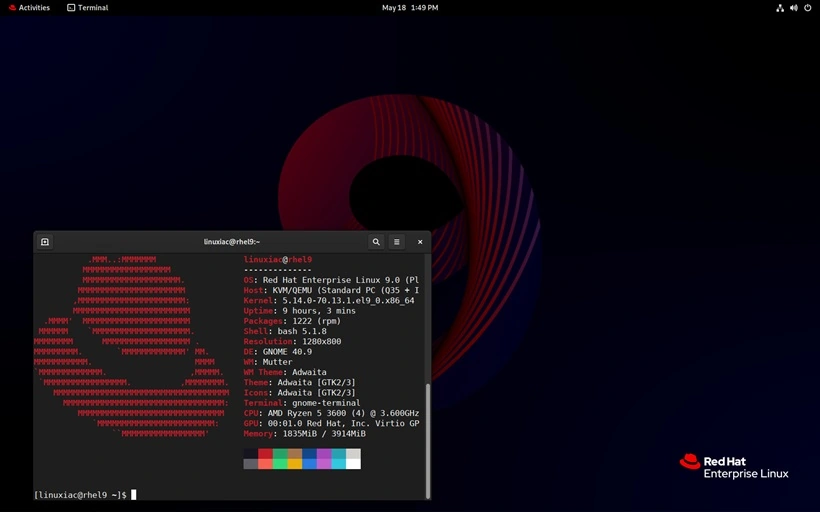
- Red Hat Enterprise Linux (RHEL) 8/9 is the direct evolution of the system many CentOS users are familiar with. Transitioning to RHEL could be seamless, especially with tools like Red Hat Insights and Convert2RHEL designed to facilitate the migration process. RHEL offers a stable environment with long-term support, crucial for mission-critical systems, but it does require a subscription.
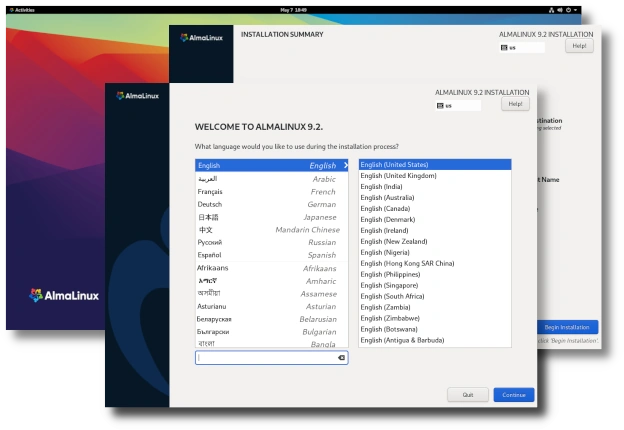
- AlmaLinux and Rocky Linux are rapidly growing in popularity as community-driven options. Both originated in response to changes in the CentOS project and are designed to provide a free and stable alternative. AlmaLinux is backed by the non-profit AlmaLinux OS Foundation, ensuring its ongoing support and development. Similarly, Rocky Linux, spearheaded by one of CentOS’s original founders, aims to fill the gap left by traditional CentOS, with wide adoption and reliability at its core. Both offer migration tools to ease the transition from CentOS 7.

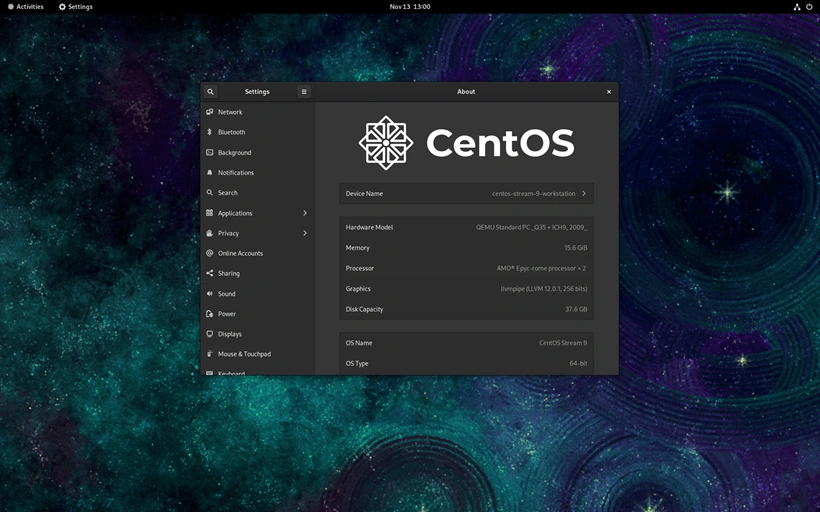
- CentOS Stream serves as a rolling-release distribution that tracks just ahead of a current RHEL release. While CentOS Stream is not typically recommended for production environments due to its continuous update model, which can introduce instability, it offers cutting-edge features that can be particularly appealing to development environments that prioritize innovation and testing.
- Extended Lifecycle Support options, such as those provided by OpenLogic, TuxCare, or CIQ Bridge, offer an alternative for organizations not ready to migrate. These services extend the life of CentOS 7 systems by providing custom support packages, including security patches and compliance updates, allowing more time to plan and implement migration strategies.
Why Transition is Essential
The urgency to migrate from CentOS 7 cannot be overstated. Ensuring the protection of your systems, maintaining compliance with industry regulations, and safeguarding security protocols are paramount. Migration not only mitigates risks associated with deprecated systems but also enhances operational capabilities by aligning with modern technological advancements.
The transition requires careful planning and execution. It is essential to evaluate your current infrastructure, identify critical applications, and assess compatibility with potential new systems. Creating a comprehensive migration plan will minimize downtime and ensure a smooth transition.
Conclusion
As the clock ticks down on CentOS 7, the call to action is clear: migrate to a more sustainable and secure platform. Whether the choice is RHEL, AlmaLinux, Rocky Linux, or CentOS Stream, the time to act is now. Organizations must prioritize the security and efficiency of their operations by transitioning away from CentOS 7 before vulnerabilities and inefficiencies become unmanageable.
Embracing change in the tech landscape is often challenging, yet it is essential for growth and innovation. By thoughtfully selecting a new operating system and leveraging available migration tools, DevOps teams can ensure that their systems remain robust, secure, and compliant in the face of evolving technological demands. The farewell to CentOS 7 marks not just the end of an era but the beginning of new opportunities in open-source operating systems.
Reference
Join the conversation! Your thoughts help the community grow.