


Introduction
In today's AI-driven world, data privacy and security concerns are more critical than ever. Organizations want to leverage machine learning models while keeping their proprietary or sensitive data private. Federated learning (FL) offers a solution: it enables distributed model training across multiple data sources without requiring data to be shared.
This article explores how Azure Machine Learning (Azure ML) supports federated learning, its advantages, and the step-by-step implementation process.
What is Federated Learning?
Traditional machine learning relies on collecting all training data in a central location. Federated learning, in contrast, distributes the training process across multiple edge devices, data centers, or organizations. Instead of transmitting raw data, only model updates (gradients) are shared, preserving privacy while still allowing collective learning.
Key Benefits of Federated Learning
- Data Privacy: Sensitive data never leaves its source.
- Regulatory Compliance: Helps meet GDPR, HIPAA, and other compliance standards.
- Reduced Data Transfer Costs: No need to move large datasets across networks.
- Real-Time Learning: Training occurs closer to the data source, reducing latency.
Azure ML provides tools and frameworks to simplify federated learning implementations.
How Federated Learning Works in Azure ML?
Azure ML enables federated learning by combining distributed computing with secure aggregation techniques. The general workflow follows these steps.
- Local Model Training: Each data source (client) trains a model on its private dataset.
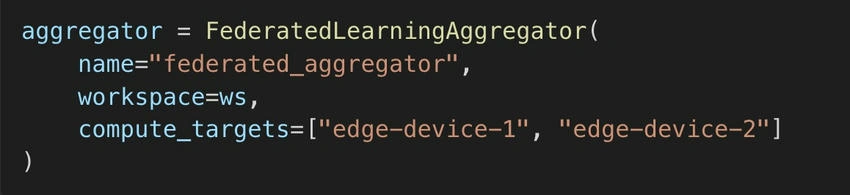
- Gradient Updates: Instead of sending raw data, local models transmit updates (model parameters) to a central aggregator.
- Model Aggregation: Azure ML securely collects and combines the updates into a global model.
- Global Model Distribution: The updated model is sent back to individual data sources for further iterations.
Microsoft’s Azure Machine Learning Federated Learning framework integrates with popular libraries like PyTorch, TensorFlow Federated, and Flower, making it easier to develop and deploy federated learning models.
Implementing Federated Learning on Azure ML
Step 1. Set Up Your Azure ML Environment.
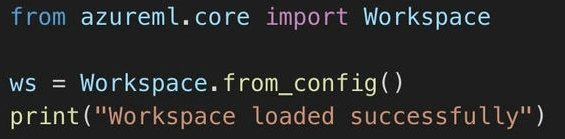
First, ensure you have Azure ML Workspace configured.
from azureml.core import Workspace


Join the conversation! Your thoughts help the community grow.