


Introduction
In the world of SharePoint, creating and customizing pages is a fundamental skill for enhancing collaboration and presenting information. One of the versatile tools available for adding custom content to SharePoint pages is the Content Editor Web Part. This article will guide you through the process of creating a Content Editor Web Part page in SharePoint, discussing its benefits and drawbacks, and providing a step-by-step tutorial to help you get started.
What is a Content Editor Web Part Page?
A Content Editor Web Part (CEWP) is a web part used in SharePoint to add custom HTML, JavaScript, and CSS to a SharePoint page. This web part allows users to embed rich content and scripts directly onto SharePoint pages without requiring extensive development knowledge.
Script Injection: One of the key features of the CEWP is its ability to inject custom scripts into a page. This can be useful for adding interactive elements, custom styles, or other dynamic features. However, script injection should be handled carefully to avoid security risks.
Benefits of the Content Editor Web Part Page
- Customizability: The CEWP allows you to add custom HTML, CSS, and JavaScript to your pages, enabling a high degree of personalization.
- Ease of Use: It is user-friendly and does not require advanced programming skills, making it accessible to a wide range of users.
- Enhanced Functionality: By embedding scripts and styles, you can enhance the functionality and appearance of SharePoint pages beyond what is available out of the box.
- Flexibility: You can integrate various types of content, from simple text to complex interactive elements, directly onto your SharePoint pages.
Disadvantages of the Content Editor Web Part Page
- Limited to Classic Experience: The CEWP is primarily available in the classic SharePoint experience. In modern SharePoint, the web part has been replaced or superseded by other components.
- Performance Concerns: Excessive use of custom scripts and HTML can impact page load times and overall performance.
- Security Risks: Injecting scripts into a page can introduce security vulnerabilities if not handled correctly. Ensure that any scripts used are from trusted sources.
- Maintenance Overhead: Custom scripts and HTML may require ongoing maintenance and updates, especially if SharePoint or browser versions are updated.
Create a Content Editor Web Part Page
1. Access SharePoint
- Open your browser and navigate to your SharePoint site.

- Log in with your credentials.
2. Create a New Page
- In the classic SharePoint experience, go to the site where you want to add the page.
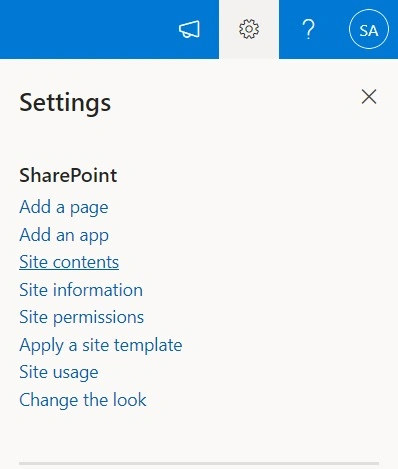
- Click on the gear icon (Settings) and select "Add a Page" or navigate to Site Contents > Site Pages > + New.
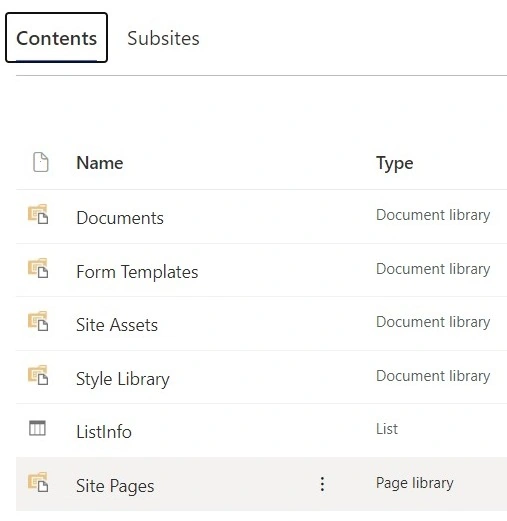

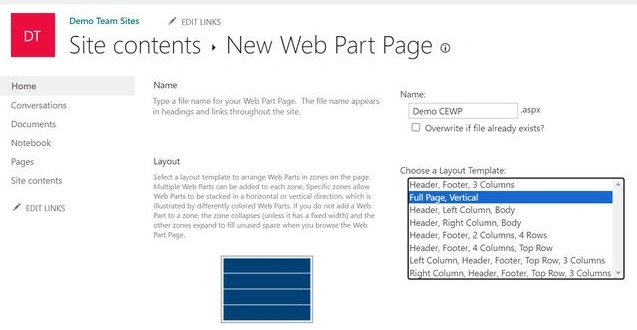
- Choose “Web Part Page” from the options. Modern SharePoint experiences might not display this option, so it is essential to ensure you are in the classic view.
3. Add Content Editor Web Part

- Once your page is created, click on Edit to enter edit mode.
- Select the location on the page where you want to add the CEWP.
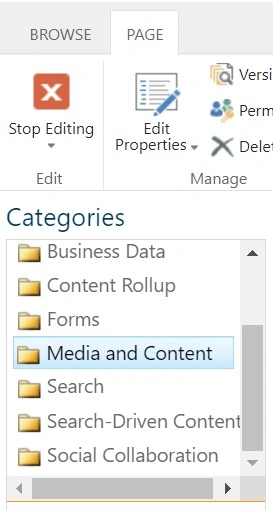
- Click on Add a Web Part.
- From the Categories section, choose Media and Content.
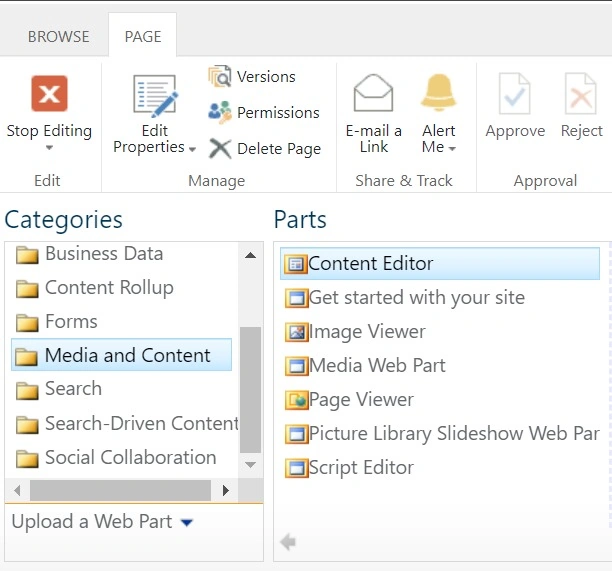
- Select Content Editor and click Add.
4. Configure the Content Editor Web Part
- Once added, click on the Edit Web Part link on the Content Editor Web Part.

- In the Content Editor Web Part settings panel, go to the Content Link section.
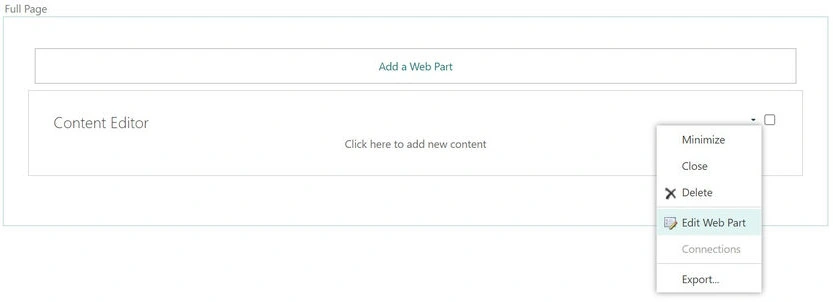


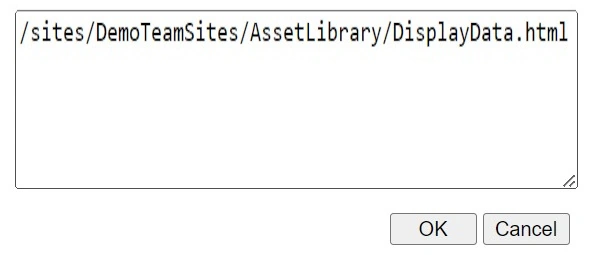
- To link to an HTML file, type or paste the URL of the file into the Content Link field. This file should be uploaded to a document library on your SharePoint site.
- You can also directly input HTML code if preferred.
5. Set Web Part Properties
- Appearance: Configure the appearance settings to match your page layout. Options include width, height, and border.
- Layout: Adjust the layout settings to control the web part’s position and alignment.
- Options: Set properties such as Chrome Type (None, Title and Border, Title Only) to control how the web part’s title and border are displayed.
6. Save and Publish
- Click OK to save the web part settings.
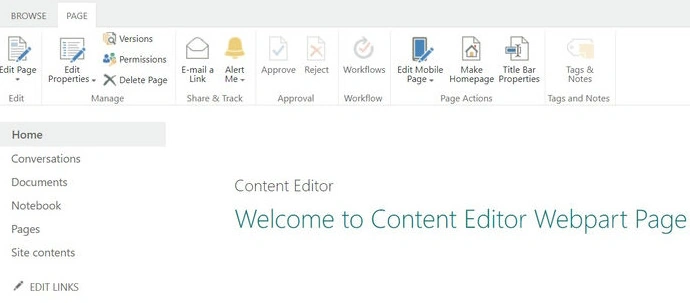
- Click Save or Publish to finalize your changes and make the page live.
Conclusion
The Content Editor Web Part in SharePoint is a powerful tool for adding customized content to your SharePoint pages. While it offers significant flexibility and ease of use, it also comes with some limitations and potential risks. By following the steps outlined in this guide, you can effectively utilize the CEWP to enhance your SharePoint site and deliver a more tailored user experience.
Whether you are looking to integrate custom HTML and scripts or simply enhance your SharePoint pages, the Content Editor Web Part provides a straightforward solution. Always consider the implications of custom scripts on performance and security to ensure a robust and reliable SharePoint environment.
However, if you encounter issues, such as not seeing the Content Editor Web Part option or facing difficulties with configuration, don’t worry. These problems can arise due to various reasons, such as the SharePoint version or user permissions. Stay tuned for our next article, where we will address these common issues and offer solutions to ensure a smooth experience with SharePoint’s web parts.
By following this guide and keeping an eye out for our upcoming tips, you’ll be well-equipped to leverage the Content Editor Web Part to its full potential and create engaging customized SharePoint pages.
Join the conversation! Your thoughts help the community grow.