

Office 365 is a Web-based solution that includes Azure AD, Skype, Office, SharePoint, MS Flows, Power BI, Yammer etc. Office 365 delivers services to users using cloud exchange services. In an organization you can purchase a subscription as per your need. You can create users, delete users and manage them. By giving admin rights you can give access to the users and allow them to manage the configurations of their account.
How to Create Users in Office 365Login Office 365 URL https://login.microsoftonline.com
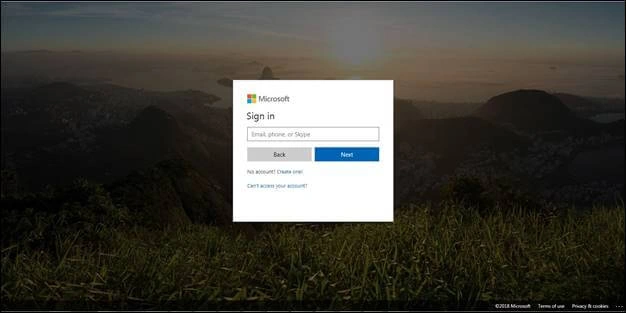
You need to enter the global admin account credential for managing Azure AD at the Office 365 login page
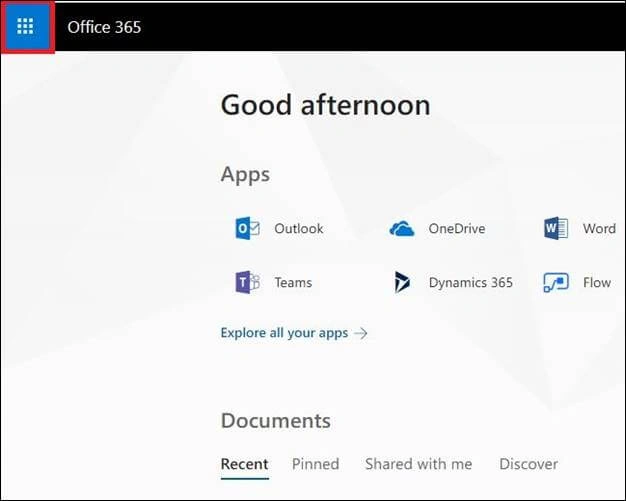
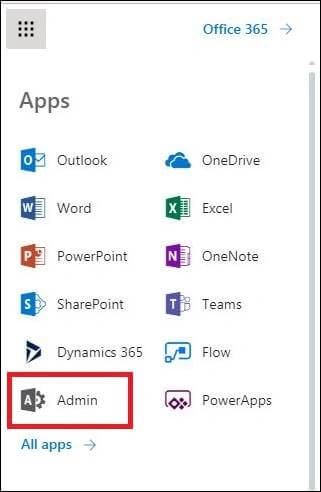
Click on the above-mentioned button, after that a popup menu appears in which you have to select the Admin option.
After clicking the Admin button, you will be redirected to the Admin center homepage. Here we can create a user.
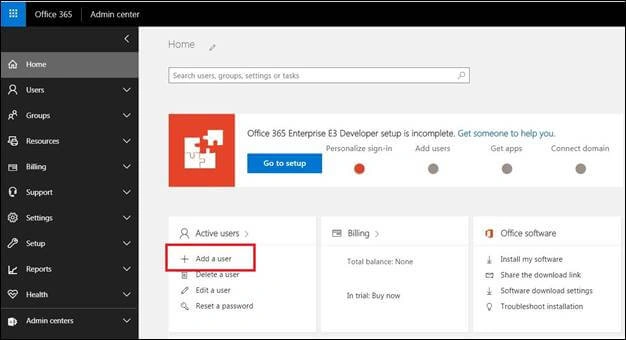
Click on Add a User for creating a new user.
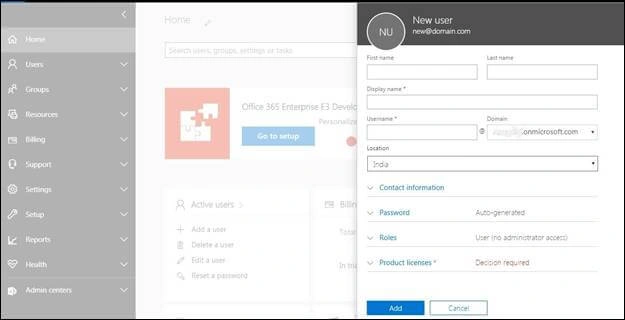
After that a new windows appears, fill in all the details of the user such as User Name, Email id Location etc.
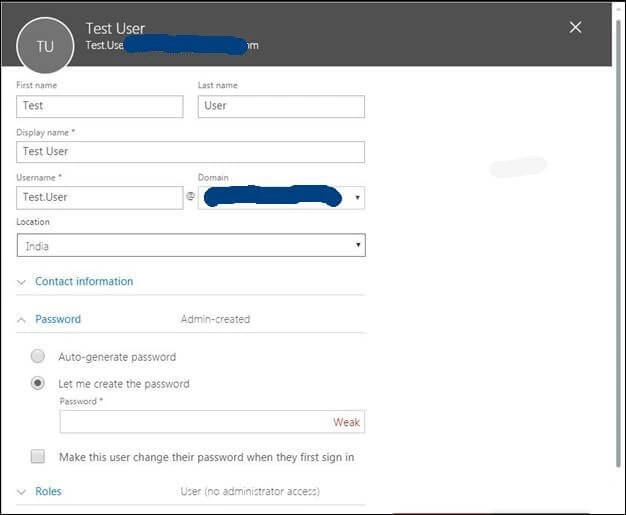
Here you can choose Auto-generate password in which you do not need to enter s password; it will be an auto-generated password which is system generated. By clicking the "Let me create the password" option you can add passwords manually. The third option will be "Make this user change their Password when they first sign in". This option prompts the user to choose a password and with this option users can enter a password at the login window. I will recommend you select the "Let me choose the password option", as you can ensure it's the password of your choice.
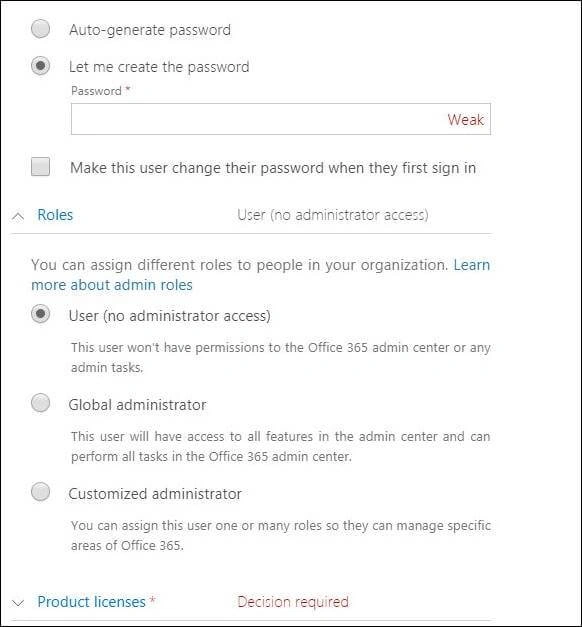
- You can also set the roles, if you are selecting Global Administrator option it means you are providing full access to that account.
- If you are selecting User (no administrator access) that means user do not have any rights.
- You can make your own customization of the rights in which you can manually assign the rights in Customized Administrator
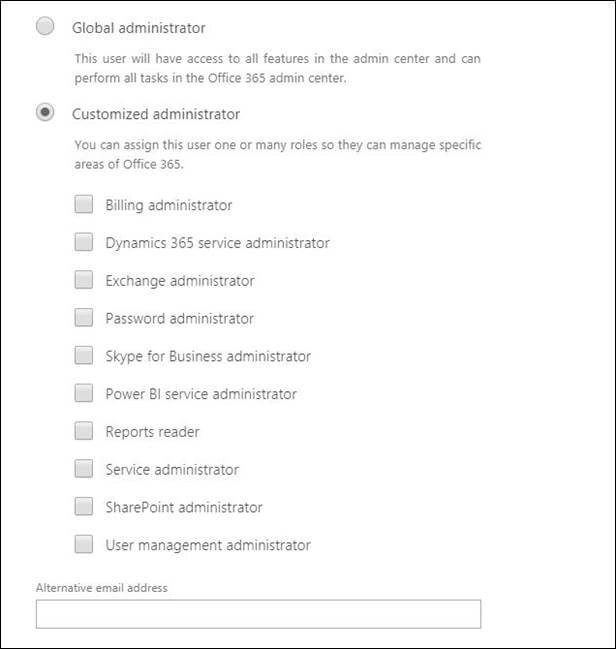
These are the customized rights where you can set rights manually as per your requirement.
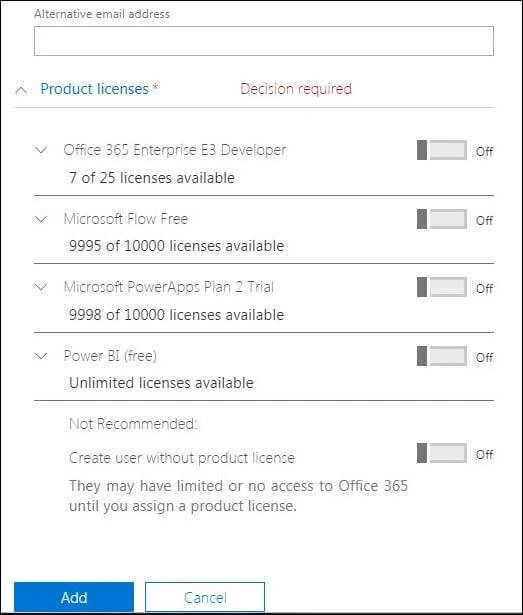
This is the license menu where you can assign the license to the user. After choosing the license plan click add button.
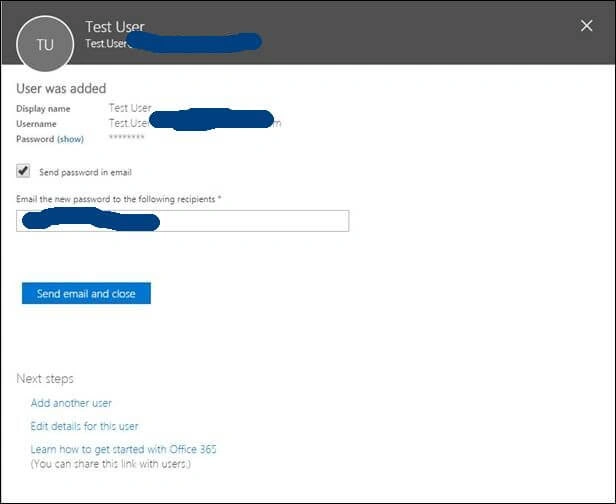
Now enter the email address to send the credential details in your account.
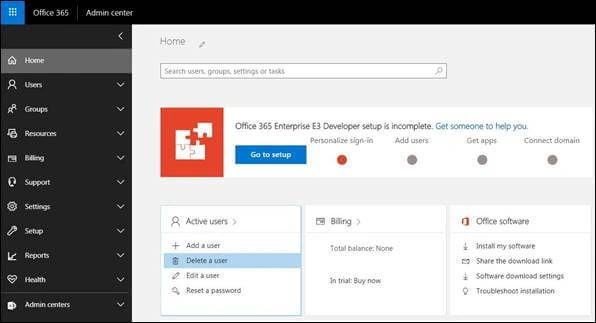
Select delete a user option which leads to a popup window for deleting a user.
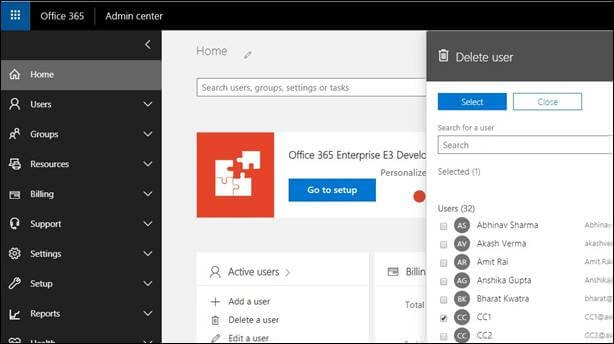
Here you have to select the user whom you want to delete. After selecting click select button.
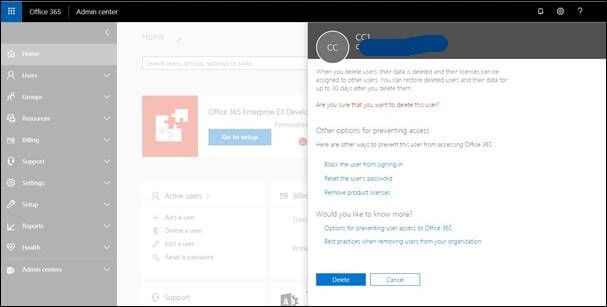
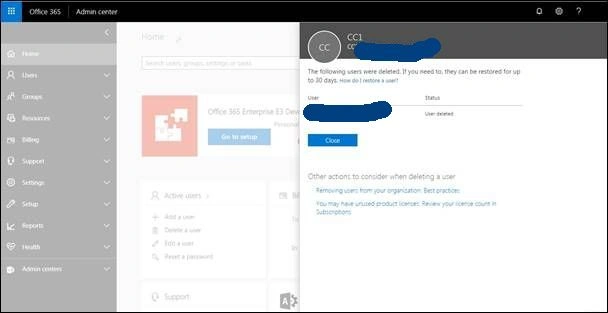
Click on delete button. Note that you can restore it within 30 days.
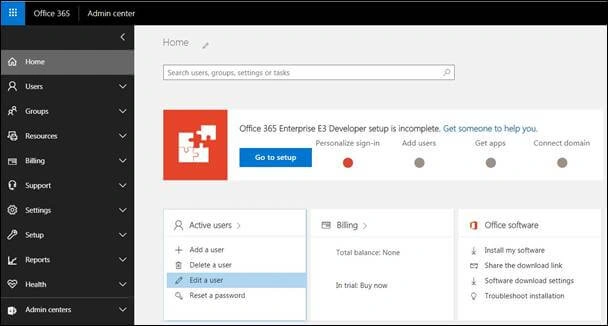
After clicking on Edit a user a popup window appears.
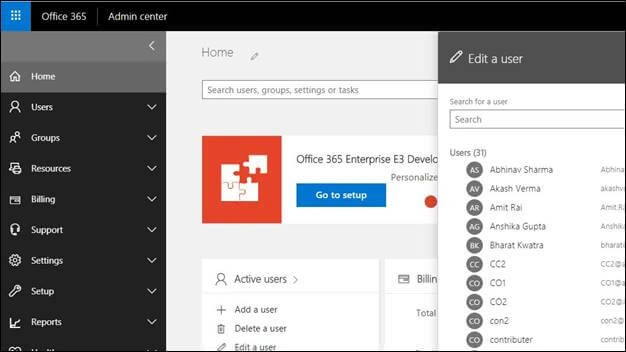
Select the user whom you want to edit and click select button.
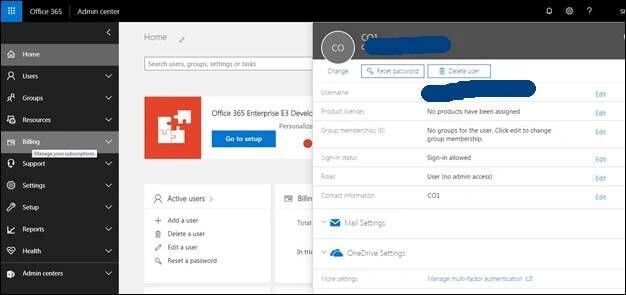
Click Edit Button in the above window.
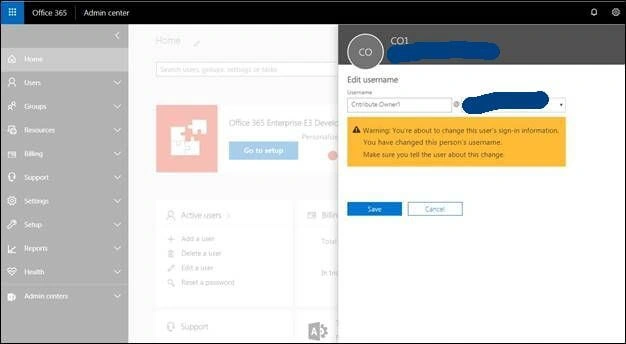
Make Changes and click on Save Button.
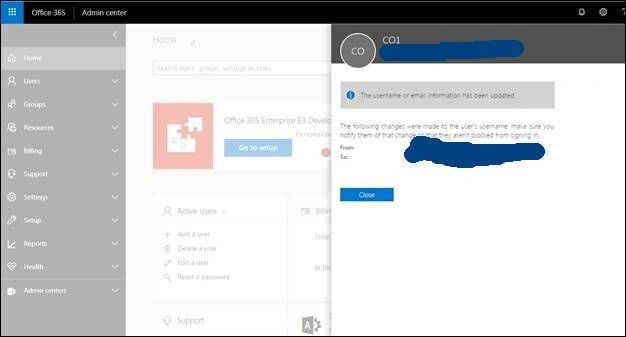
These are the details of the user which you can verify, and click on close button.
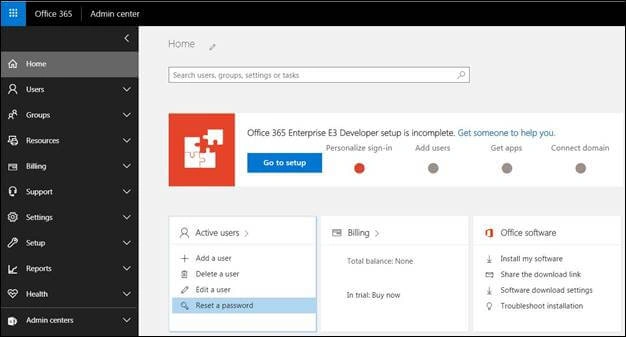
After clicking reset Password option, you will get a new popup window which is showing below.
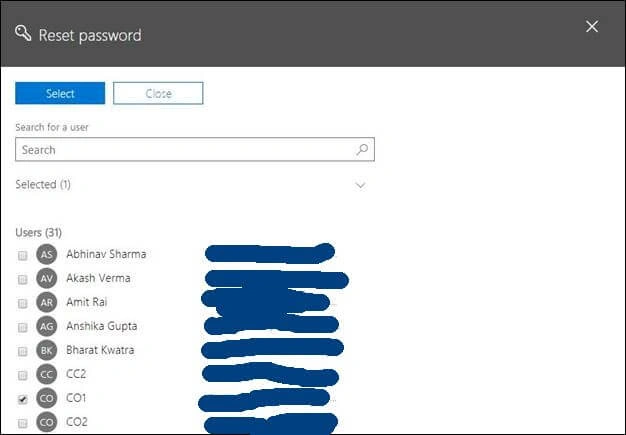
Select any user whom you want to reset the password and click the select button.
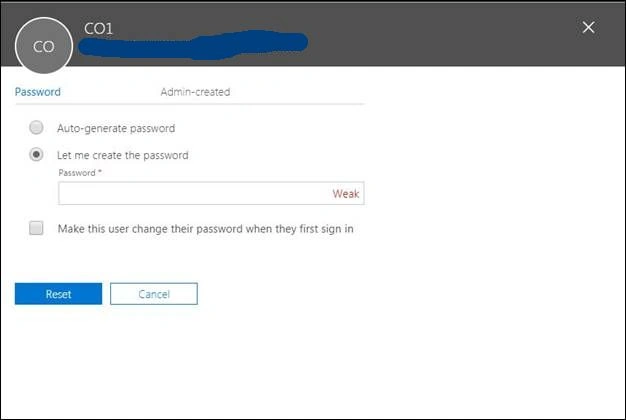
Choose "Let me create the password" and "Enter new Password" and click the Reset button.
Hence we did all the operations for Office 365 in which we create, delete, update & reset password for any user.
Join the conversation! Your thoughts help the community grow.