

Apps for SharePoint are self-contained pieces of functionality that extend the capabilities of a SharePoint website. Basically, in SharePoint, the application can be hosted by 3 types.
- SharePoint Hosted Application
Provide basic resource into the app or web, such as HTML/CSS/JS files etc. No Server-side code runs under SharePoint-Hosted application.
- Auto Hosted Application
Auto Hosted apps for SharePoint are Cloud-Hosted apps whose remote computers are provisioned and deployed for you in Windows Azure.
- Provider Hosted Application
Components that are deployed and hosted outside of SharePoint farm.
Let us concentrate on the SharePoint-Hosted Application. To create SharePoint Hosted Apps, please follow the below approach.
- Configure DNS for hosting share point app.
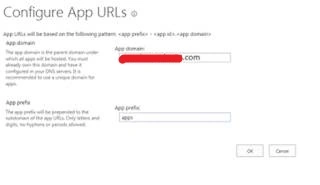
- Configure App URL.
- Start the App Services.
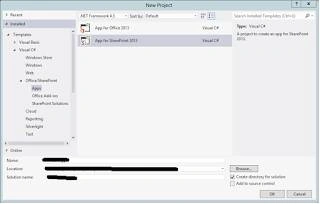
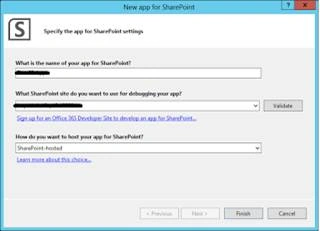
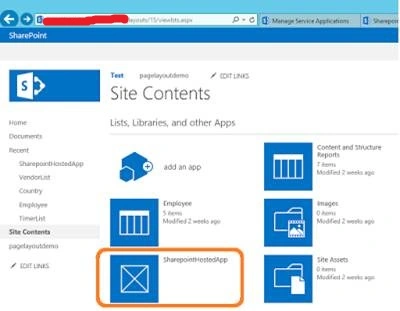
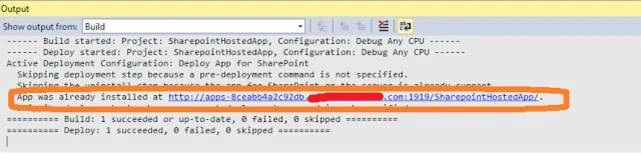
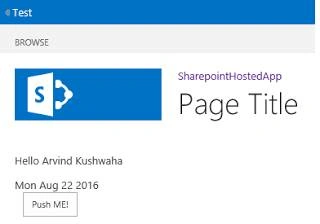
- Create SharePoint Hosted Apps.
Configure DNS for hosting SharePoint app.
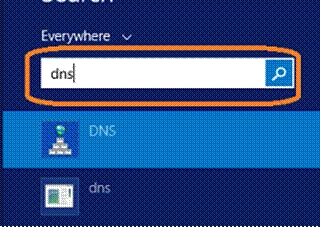
- Open DNS
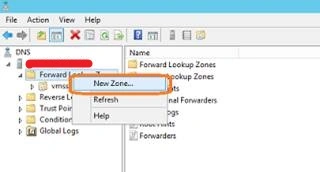
- Right click on Forward Lookup Zones and select New Zone.
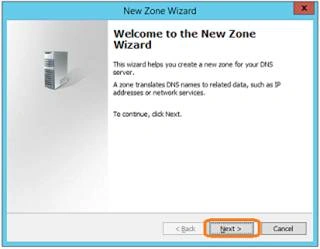
- Click on Next button.
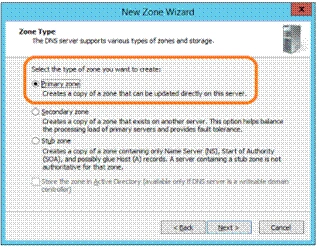
- Select the appropriate zone, then click on Next button.
- Provide the Zone and click on Next button.
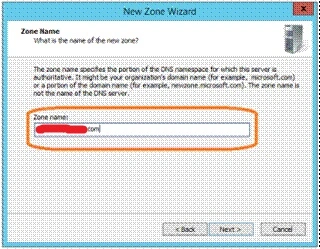
- Navigate up-to Dynamic Update screen by clicking on Next button.
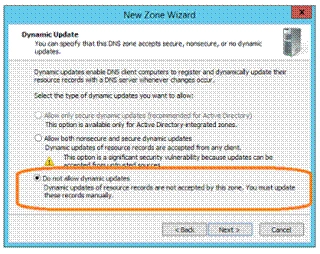
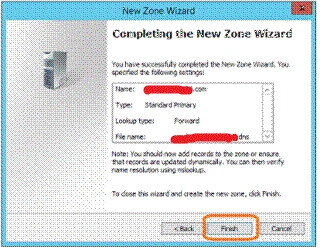
- Click on Finish button to complete the DNS Configuration.
- Right click on newly created zone and select New Alias (CNAME) option.
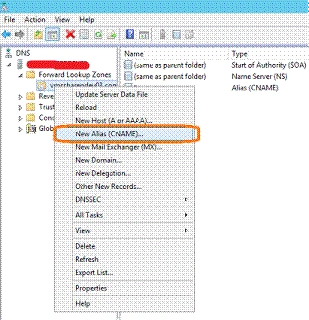
- Enter asterisk(*) mark in Alias name and appropriate name for fully qualified domain name.
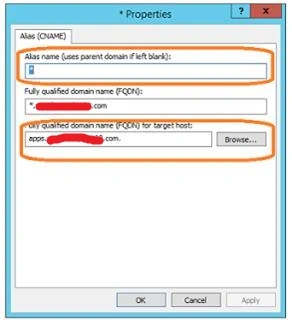
- Press OK button.
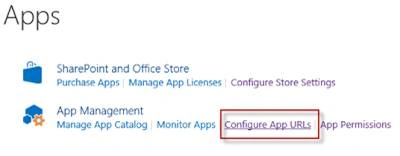
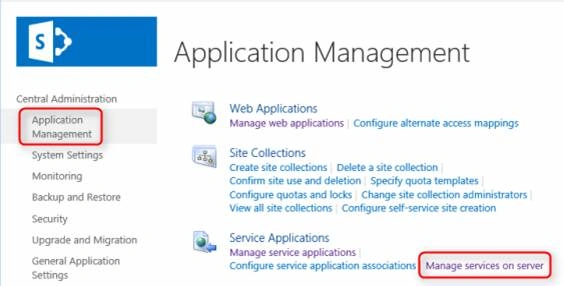
We need to register this newly created app domain with SharePoint. Go to Central admin, click on Apps on right menu. It will give you a message saying, "The Subscription Settings service and corresponding application and proxy needs to be running in order to make changes to these settings. "
It means that we need to configure Subscription Settings Services before configuring the app URLs. Let's start and configure the required services for app development.
Start/Configure the App Services
We need to start and configure the below two services for app.
App Management Services
Method 1 - PowerShell
Before you begin, make sure that the user running the Windows PowerShell cmdlets has the following memberships on all databases that you will be using.
- db_securityadmin
- db_owner
- Launch SharePoint 2013 "Management Shell" in administrative mode.
- Get the Farm account
$account = Get-SPManagedAccount FarmAccount
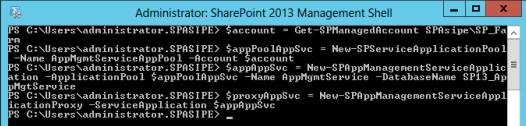
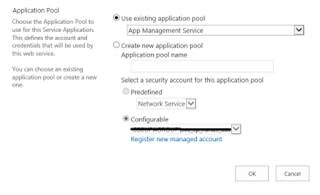
- Create a new application pool using this account
$appPoolAppSvc = New-SPServiceApplicationPool -Name AppServiceAppPool -Account $account
- Create the "App management" service application, using this application pool
$appAppSvc = New-SPAppManagementServiceApplication -ApplicationPool $appPoolAppSvc -Name AppServiceApp -DatabaseName "databaseName"
- Create a proxy for the service application.
$proxyAppSvc = New-SPAppManagementServiceApplicationProxy -ServiceApplication $appAppSvc
- Start the "App Management Service" service.
Get-SPServiceInstance | where-object {$_.TypeName -eq "App Management Service"}
(Get-SPServiceInstance | where-object {$_.TypeName -eq "App Management Service"}).Provision()
Get-SPServiceInstance | where-object {$_.TypeName -eq "App Management Service"}
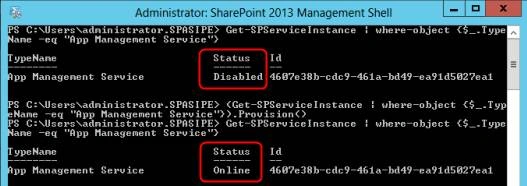
Complete Script
- add - pssnapin "Microsoft.Sharepoint.Powershell"
- $account = Get - SPManagedAccount FarmAccount
- $appPoolAppSvc = New - SPServiceApplicationPool - Name AppServiceAppPool - Account $account
- $appAppSvc = New - SPAppManagementServiceApplication - ApplicationPool $appPoolAppSvc - Name AppServiceApp - DatabaseName "databaseName"
- $proxyAppSvc = New - SPAppManagementServiceApplicationProxy - ServiceApplication $appAppSvc
- Get - SPServiceInstance | where - object {
- $_.TypeName - eq "App Management Service"
- }(Get - SPServiceInstance | where - object {
- $_.TypeName - eq "App Management Service"
- }).Provision() Get - SPServiceInstance | where - object {
- $_.TypeName - eq "App Management Service"
- }
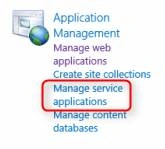
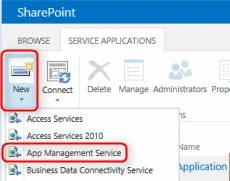
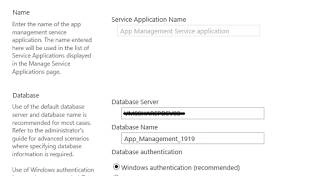



Piyush AgarwalPosted Mar 6, 2018, 12:09 PM
I think this is done by admins ?