

Global logistics is entering a new phase of complexity. E-commerce growth, volatile demand, and rising customer expectations have pushed distribution systems to their limits. Warehouses that once operated on predictable schedules must now respond to fluctuating order volumes, unpredictable supply conditions, and tighter delivery windows. Azure enables logistics organisations to turn warehouse operations into intelligent, adaptive systems rather than static infrastructure.
Warehouses as data environments
Modern distribution centres generate large volumes of operational data. Barcode scans, robotic movements, conveyor speeds, inventory updates, and order flows all produce signals about how efficiently the facility operates. Traditionally, these signals remain isolated within warehouse management systems.
Azure provides the foundation for integrating these datasets. Azure IoT Hub can ingest telemetry from sensors, robotics, and equipment. Azure Synapse Analytics then consolidates this information so warehouse performance can be analysed holistically rather than through fragmented dashboards.
When data becomes unified, bottlenecks that once remained hidden become measurable.
Predicting demand before it arrives
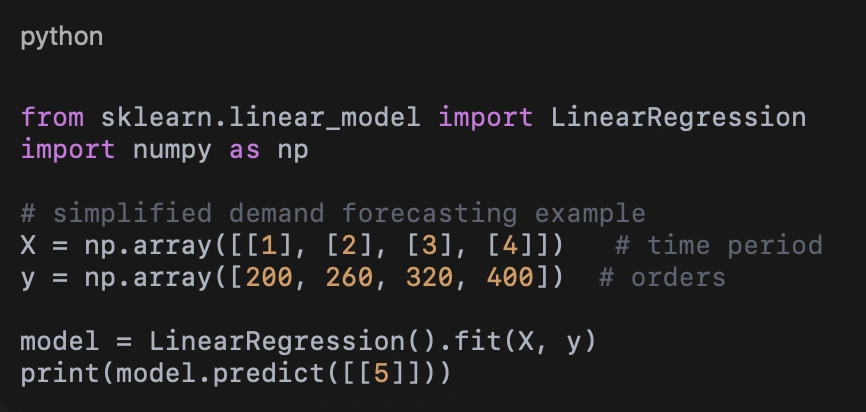
Warehouse efficiency depends heavily on anticipating demand. Seasonal spikes, promotional campaigns, and regional trends all influence order volumes. Azure Machine Learning allows logistics teams to forecast demand patterns with greater precision.
These forecasts help determine staffing levels, storage allocation, and picking priorities before orders actually arrive. Predictive planning reduces congestion within fulfilment centres and improves delivery reliability.

Even simple predictive models can dramatically improve warehouse scheduling when deployed at scale.
Autonomous coordination inside facilities
Large distribution centres increasingly rely on robotics and automated picking systems. Coordinating these systems efficiently is challenging when order patterns shift throughout the day.
Azure enables real-time decision logic that dynamically assigns tasks to robots and human operators. Instead of static routing paths, picking systems can adapt to congestion or priority orders. Workloads balance across zones automatically.
This reduces idle time and increases throughput without expanding physical space.
Inventory intelligence across the network
Inventory accuracy is critical to fulfilment efficiency. Overstocking wastes space and capital. Understocking leads to delayed orders and lost revenue.
Azure AI models analyse demand signals, supplier performance, and historical consumption to recommend optimal stock distribution across warehouses. Inventory becomes fluid rather than fixed, moving where demand is predicted to appear.
Logistics leaders gain visibility not only into current stock levels but also future inventory risk.
Distribution routing beyond the warehouse
The intelligence does not stop at the loading dock. Azure AI models can optimise distribution routes based on traffic data, weather patterns, delivery density, and fuel efficiency.
Logistics networks become adaptive systems. Routes adjust dynamically as conditions change. Delivery schedules remain reliable even when external factors shift.
Governance and operational transparency
Logistics operations involve sensitive commercial data including supplier contracts, shipment routes, and inventory levels. Azure provides identity management, encryption, and monitoring across the data pipeline.
Every model deployment can be tracked, and performance metrics remain visible. This ensures operational intelligence remains both secure and accountable.
Strategic impact for logistics leaders
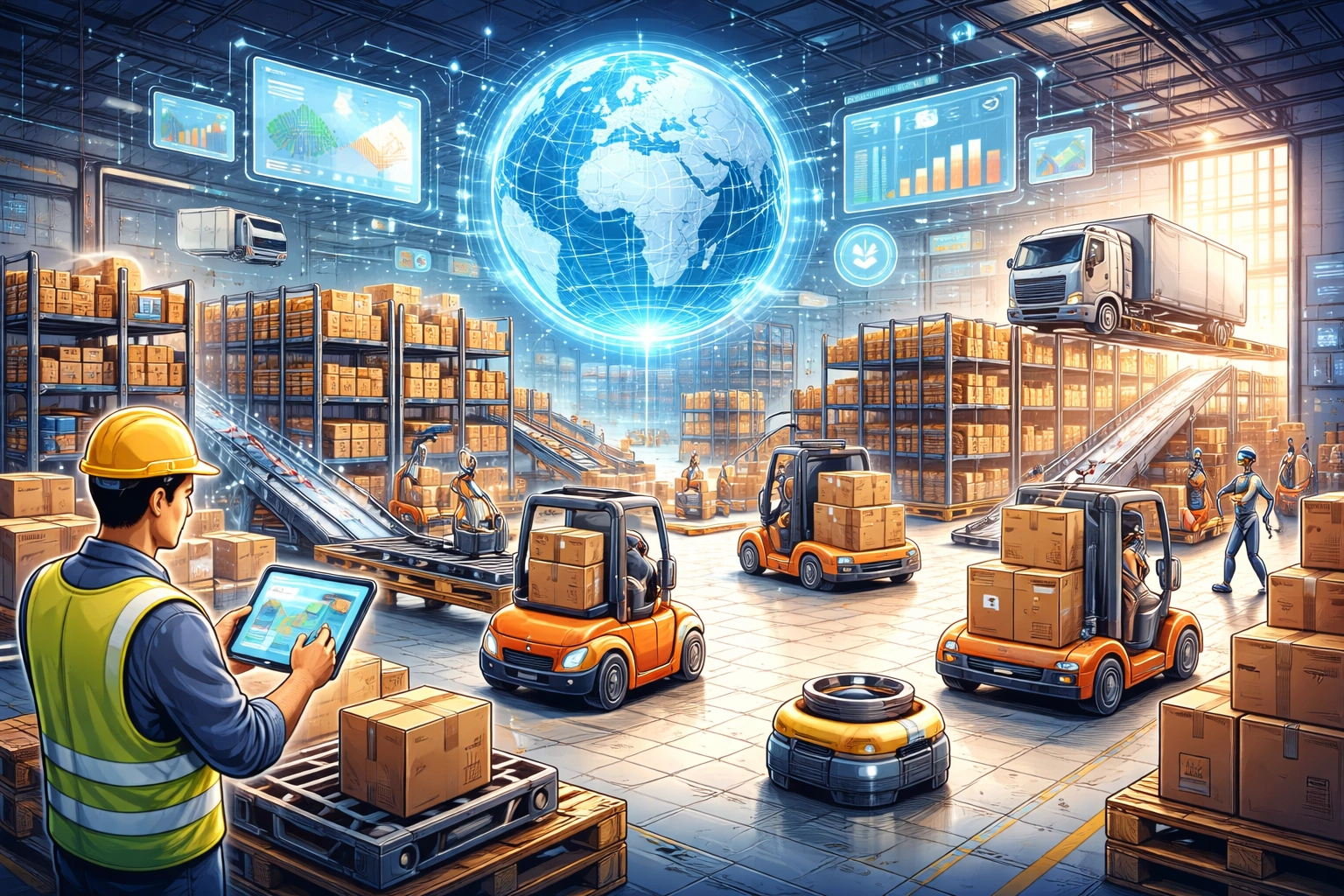
Distribution networks have historically been optimised through manual planning and operational experience. Azure allows these systems to evolve into continuously learning environments.
For operations leaders, the benefit is not only efficiency. It is resilience. Intelligent warehouses respond to demand fluctuations, supply disruptions, and operational challenges without constant manual intervention.
The next generation of logistics
As global commerce continues to accelerate, static warehouse operations will struggle to keep pace. Organisations that invest in predictive logistics infrastructure will operate faster, more efficiently, and with greater reliability.
Azure provides the scalable platform needed to transform warehouses into intelligent hubs within adaptive distribution networks.
🔗 Further Learning:
Join the conversation! Your thoughts help the community grow.