

It is predicted that all devices will be generating a huge amount of data chatter in the near future. An eight hour flight generates about half a TB of data. Smart devices, embedded and wearable computing will added to the data of the Internet. The Internet of Things (IoT) is the interconnection of uniquely identifiable devices. The scale of inter-connectivity will be huge. Machines will fuel data growth.
A person will generate a huge amount of data on a day-to-day basis due to the wearable devices (medicinal, entertainment and security). All this data needs to flow back to some systems where reports would be generated and actions would be taken. The following image from SurveyAnalytics gives a very good description of the IoT. According to Gartner, there will be nearly 26 billion devices on the Internet of Things by 2020. ABI Research estimates that more than 30 billion devices will be wirelessly connected to the Internet of Things by 2020.
A person will generate a huge amount of data on a day-to-day basis due to the wearable devices (medicinal, entertainment and security). All this data needs to flow back to some systems where reports would be generated and actions would be taken. The following image from SurveyAnalytics gives a very good description of the IoT. According to Gartner, there will be nearly 26 billion devices on the Internet of Things by 2020. ABI Research estimates that more than 30 billion devices will be wirelessly connected to the Internet of Things by 2020.
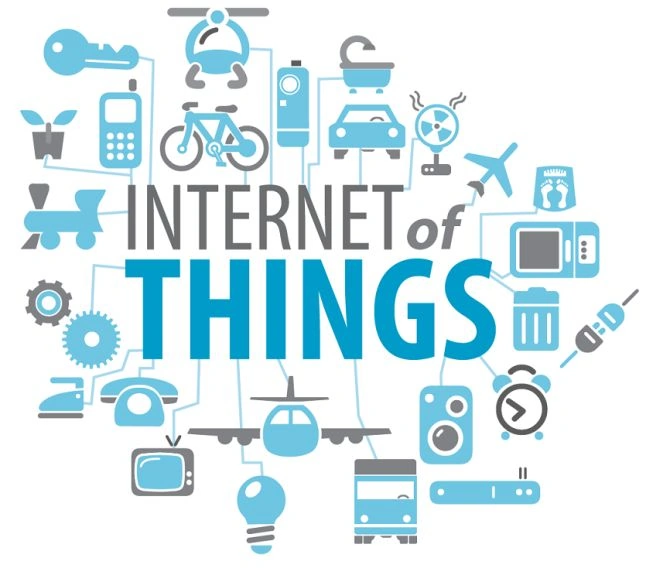
This will become a new age of intelligence with many considerations.
Space Considerations
The amount of data that will be generated and stored will be unimaginable. Typical households will generate PBs of data.
- Where will all this data be stored? On the cloud? On premise?
- How much data will be archived and where?
- Will the consumer pay for this space?
Security Considerations
How will the data be secured? How will the devices be secure? Will today's authentication and authorization methods be enough or will new security models emerge?
Regulatory Consideration
Challenges involving governance and regulatory compliance will be need to be mitigated. New paradigms of governance will emerge.
Challenges involving governance and regulatory compliance will be need to be mitigated. New paradigms of governance will emerge.
Environmental Considerations
Disposal of electronic goods is today itself a problematic area. With new semiconductor devices, environmental impact needs to be considered.
The following are some of the use cases that come to mind:
- Health and Life Insurance: Already many people track their exercise, diet and weight into many different applications. Imagine a cloud based service that tracks this based on some wearable device. These services can become the source of data for Life Insurance companies.
- Supply Chain Management: Effective Supply Chain management due to real-time data availability.
- Manufacturing: for example, production data; machines sending daily production reports to managers at the end of the day. Machines could also send data for preventive maintenance and machine safety.
- Parking Spot search: Sensors will provide data on empty parking spots.
- Smart Electric meters, smart washing machines, smart refrigerators with sensors that will enable application makers to utilize the data for efficiency and effectiveness in their solutions. There is already a solution built by Nest: to control the temperature of your home using your mobile phone. Details at: https://nest.com/thermostat/life-with-nest-thermostat/.
- Smart Cities, Smart Buildings and Smart homes.
- Disaster Management: Sensors from within the ocean and below earth surfaces, sensors from space can help in disaster management.
- Farming and Dairy: Sprinklers can be turned on and off automatically based on weather conditions as well as can be remotely monitored. A Dairy can have n number of use cases where the data from the sensors on animals can be used effectively as in applications.
- Hotel Management, Event Management, Remote monitoring.
- Banking: When you step into the bank, your mobile will already send information to the banking application on your identity. From there on, multiple applications can be thought of.
The possibilities of solutions and services are endless. The opportunities are tremendous.
- Managed Services
- Data and Analytics
- Mobile and Cloud Computing
- Network Services
- Enablement Hardware
- Wireless and embedded systems
- Smart Sensors
- Data recovery services
- Data Archival Services
- Disaster Management Services
- Value added applications
It will become probably impossible to remain private.
Pawan TiwariPosted Jan 19, 2016, 9:25 AM
Nice article Ma'm... Thanks
Santhakumar MunuswamyPosted Oct 3, 2015, 5:55 AM
Good One
Pooja BaraskarPosted May 19, 2015, 4:33 AM
Great Info
Rajeev RanjanPosted Dec 30, 2014, 4:12 AM
such a nice information which you shared with us, also let us think about the internet.
K P Singh ChundawatPosted Dec 30, 2014, 4:10 AM
Great ...
Rahul SinghPosted Dec 30, 2014, 4:04 AM
Nice Info :) By 2020 its definitely gonna grab lots of market.
Michal HabalcikPosted Dec 30, 2014, 2:36 AM
Thanks for explanation. We will be hearing a lot about it in the future.
Vithal WadjePosted Dec 29, 2014, 9:52 PM
good info
Sam HobbsPosted Dec 29, 2014, 8:34 PM
Thank you for trying to explain this to us. I think that Internet of Things is a marketing term. Or is there an official definition? If it is marketing term then it is impossible to define it clearly since marketing people are unhappy unless they can use unclear terms.