

Benefits of Using Cloud Services
Cloud computing has revolutionized how organizations deploy, manage, and scale their IT infrastructure. Let’s explore some key advantages of using cloud services across availability, reliability, security, and manageability.
1. High Availability and Scalability
High Availability
High availability ensures your services and applications remain accessible even during unexpected failures or disruptions.
Why it matters?
- Applications must be available when users need them.
- Azure offers service-level agreements (SLAs) with uptime guarantees tailored to each service.
- Even in case of hardware failure, services remain uninterrupted using features like load balancing, data clustering, and automated backups.
Tools That Enable High Availability
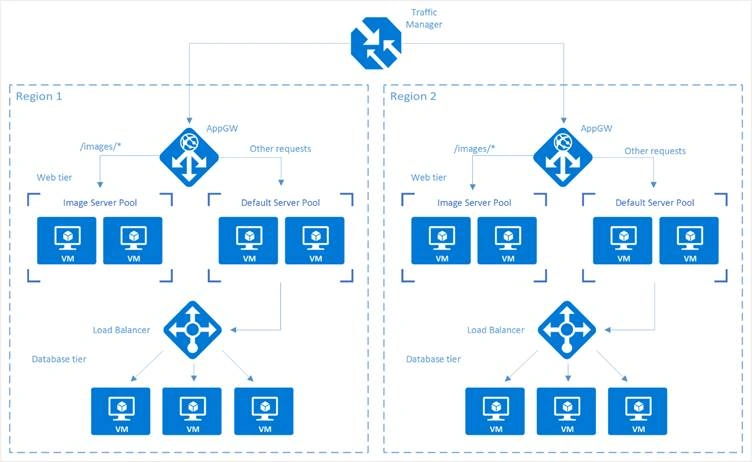
- Load Balancers: Distribute traffic to ensure no single resource is overwhelmed.
- Clustering: Keeps systems running smoothly, even if one node fails.
- Data Backup & Recovery: Ensures your data is safe and can be restored quickly.
Scalability in Azure
Scalability allows your resources to grow or shrink based on demand without buying or setting up more hardware.
Types of Scaling
- Scale Up/Down: Increase or decrease the power of a virtual machine (e.g., more CPU, RAM).
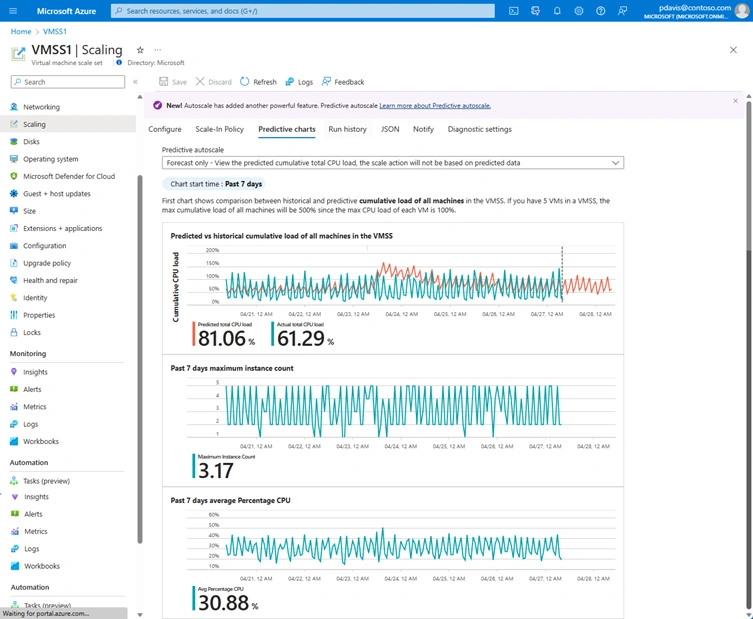
- Scale-Out/In: Add or remove multiple instances to handle the load.
- Autoscaling: Automatically adjusts resources based on real-time usage.
Azure’s Platform-as-a-Service (PaaS) simplifies deployment so you don’t have to manage servers or infrastructure just focus on building your apps.
2. Reliability and Predictability
Reliability
Reliability means your applications can recover from failures and continue to operate. Azure’s global infrastructure and redundant systems make this possible.
Key Advantages
- Applications can be deployed across multiple regions.
- If one region fails, another takes over—no user impact.
- Built-in resilience supported by Azure’s global network of over 220 data centers.

Join the conversation! Your thoughts help the community grow.