

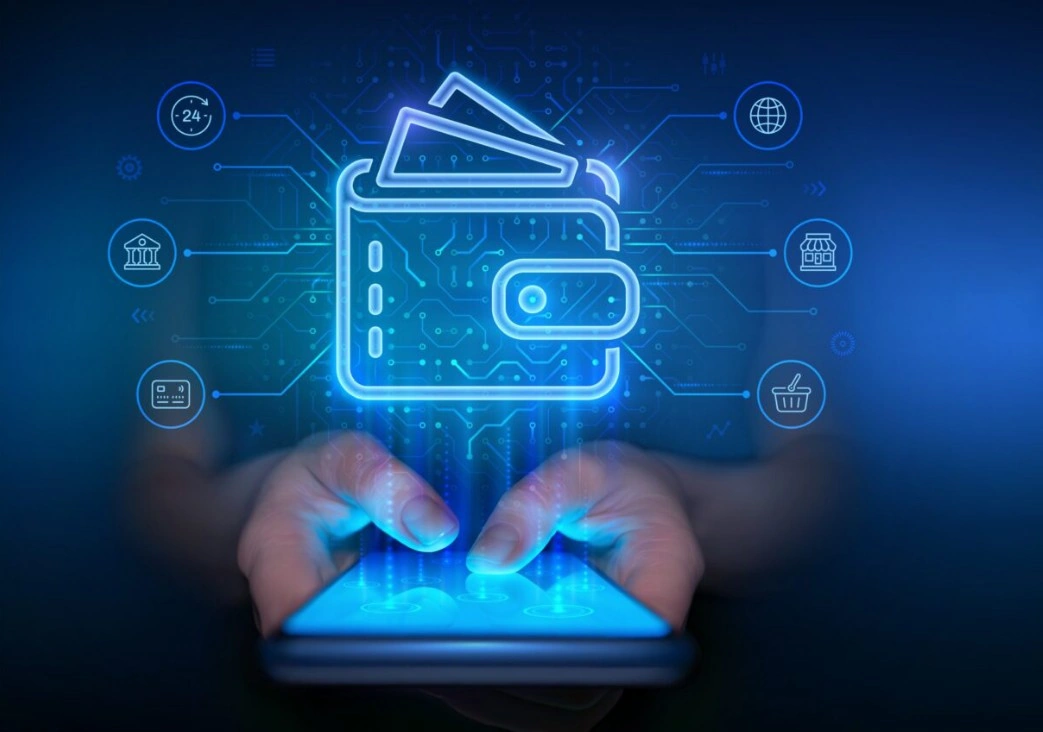
Once you connect to the internet, you begin leaving a trail of your search behaviours, your logins, your saved cards, even the apps that you use without thinking. All of this is your digital persona and it is more priceless than you think. Cybercriminals are aware of it. Fraudsters are on the lookout for it. And if you are not alert, there is a chance you might be giving them a way in unintentionally.
Just consider. Your mobile device is a multifunctional tool for you for online shopping, social media, bill payments, money transfers, password storage, and even bank logins. This all seems so routine… until one day something strange happens. A warning of a suspicious login. An unexpected withdrawal. An unrecognised app that you have never downloaded. That moment of panic? Most people will just turn a deaf ear to it. But not you, for that is most likely your very first alert.
This is exactly what this guide will offer you. At the end, you will acquire the skills to lock down your accounts, safeguard your digital trail and not lose your cash, thereby being the one in charge and not the scammers. Are you prepared to upgrade your online security and recover your confidence? Let's get started.
Why is it Critical to Protect Your Online Identity?
To kick things off, it is rather surprising how much of your personal information is made public and exposed more often than you think. Each time you register on a site, store your card, or log in via a social media site, you keep leaving your identity behind. Moreover, hacking has become 38% more frequent over the last year, so the information is getting a lot of attention. A single password that has been leaked can grant access to not only your bank accounts, emails, and digital wallets, but also no trace, and that's why people are losing money without realising where it started.
In addition, the methods of cybercriminals have changed with the times. Tricks that are simple have become a thing of the past; the cybercriminals use the latest and most powerful tools that analyse your online habits. For instance, millions of users receive messages asking them to "confirm their details" through fake identity verification every week. Therefore, a lot of people give out private information without being aware. To put it very simply, just one tiny mistake can bring about the leakage of everything, your name and address, your money and even your long-term privacy.
Your online persona, in the end, is like yourshadowow it is always there with you. What's more, it is really tough to determine if it has been taken. The scientists have pointed out that the worldwide impact of identity theft was more than $52 billion, with everyday users being the predominant victim group.
What is the Smartest Way to Secure Your Accounts?
Good practices with technology are very much enablers of security. But these habits also help to protect your identity, even more so if security threats are rising. It may sound somewhat pretentious, but really small steps have the greatest influence and thus are the best way forward.
1. Strong, Unique Passwords
The use of simple or repeated passwords designates you as an easy victim. A case in point is that up to 80% of breaches involve weak credentials. Passwords should be set up differently on all the platforms.
2. Enable MFA
MFA is basically an additional layer beyond your password. In fact, it can block over 99% of bot attacks. It can be a code, biometric authentication, or a request for approval. Therefore, it is necessary to use MFA for online banking, email, and digital wallets all the time.
3. Watch Out for Phishing Scams
Scammers apply techniques such as forged letters or identity proof notifications to mislead the victims. One of these techniques is dispatching messages posing as your financial institution and requesting identity confirmation.
4. Always Have the Latest Version
The security vulnerabilities that hackers exploit are fixed in updates. However, still, quite a number of people take several days before responding to notifications. Consequently, they keep potential threats at the door. Keep the security of your information strong by having your phone, apps, and browser updated.

5. Restrict Access to Third Parties
A lot of applications ask for access to contacts, storage or location, although they do not really need it. In contrast to this, granting only the minimal permissions will lower the risk substantially. Besides, make use of the identity access management settings present in your accounts to keep an eye on and eliminate any suspicious access.
How do Cybercriminals Really Steal Your Data And Wallet Access?
To demonstrate, they go as far as creating imitation login screens or even sending out fake payment requests. After you submit your information, they take it without any delay. It is therefore not surprising that phishing remains the number one reason for the loss of digital assets worldwide.
In addition, hackers exploit unprotected Wi-Fi networks too. If you are connecting to an open wifi at a restaurant or an airport, they can easily access your information. Just as if apps that contain malware are collecting users' passwords, contacts and payment details without their consent. An example is those apps that supposedly offer cashback rewards but, in reality, keep logging your every typing action without letting you know.
Eventually, these cybercriminals will then sell your identity that has been stolen on the dark web. These days, an identity theft victim can lose personal details, bank info, and digital wallet credentials that can be bought for as low as fifteen dollars. Hence, one single breach can result in various crimes –unauthorised purchases, loans taken in your name, and total account takeover.
What Tools And Technologies Can Help You Stay One Step Ahead of Online Threats?
Modern security tools, in a way, have become the real equivalent of the best professional security guard, the identity verification service platform,s in particula, biometrics, document scans, and AI-based fraud detection, confirming who is real and who is not, putting a barrier up against the impersonating criminals.
Furthermore, the high-tech identity access management (IAM) systems help you, the user, to regulate the flow of your data even among the apps and devices that are most familiar to you. Besides, you can see who the users are, can take the access away, and, in addition, can also lock out the logins that seem suspicious instantly. To put it in a contrasting style, traditional methods like security questions are way too easy to trick compared to this.
The use of VPNs, anti-virus software, and secure payment methods practically adds a more secure layer. Moreover, some virtual wallets come with fraud alerts and AI-powered anomaly detection as part of their services.
How Can You Instantly Make Your Digital Identity More Secure?
Your digital identity can be very swiftly safeguarded by enhancing your passwords, enabling multi-factor authentication, and modifying your device settings. These straightforward measures act as rapid but sturdy barriers against intruders and reduce the chances of unauthorised access. Even the least actions performed today can still considerably up your overall online safety. The smallest actions taken today can still significantly enhance your total safety online.
MFA should be enabled everywhere- This makes unauthorised login attempts difficult for most and further protects your accounts protected further.
App permissions should be checked.- Unnecessary contact, file, or location access should be removed from the apps you use.
Secure payment methods- Encryption and added layers of data protection are what they offer.
Links must be authenticated- There are numerous counterfeit identity verification requests; thus, always confirm the sender's identity.
Privacy settings have to be robust- Restrict the visibility of your personal data to the least number of people and, above all, on social media.
Real-time alerts must be turned on- Attempts to access your account without permission will be instantly notified to you so that you can respond immediately.
How can Quick Security Actions Protect Your Digital Identity in the Future?
Today, taking quick security measures is one of the smartest investments in your future that you can make. The present threats are only a small part of what is to come. Cybercriminals are getting quicker, more intelligent, and more efficient through automation. At the same time, your digital footprint is getting bigger and bigger - there are more logins, apps, digital payments, and personal data that are moving across different platforms.
On the other hand, we can expect the coming techs to be a mixed bag, and among them will be AI-led fraud, deepfake identity theft, and automated hacking systems that are automated. The digital risk curve is getting pushed further by these new technologies.
Presently, a weak password or an insecure device might not be of much concern, but they could transform into a great risk point over time. For example, hackers usually make digital copies of the victims by using old social profiles, forgotten accounts, and incorrect identity settings.
Ultimately, making your digital identity future-proof does not mean you have to be perfect. It is all about being ready. Updating your passwords, turning on MFA, removing old accounts, or improving privacy settings are some of the actions that you need to take, which will not only secure your present but also protect your future finances, your online reputation, and your peace of mind. There is one more thing: all these small steps barely take a few minutes, but give you protection that lasts a long time!
Conclusion
In the end, protecting your digital identity has turned from a matter of preference to a daily practice. The virtual environment that you inhabit holds your financial resources, your private data, and a significant portion of your everyday activities. Moreover, if the internet gets wiser, so do the criminals operating in the cyber arena. This is the reason why today's actions carry a significant weight.
The decision that now emerges to be the most crucial one is to act while you still have control over everything. Begin the process of fortifying your accounts, get rid of the old devices you use, and settle for the platforms that value your security above all. Also, if you want to ensure that you have protection for a long time, make security your daily practice, not just an occasional application.
Join the conversation! Your thoughts help the community grow.