

Simplest Way to Learn OOP
Object-oriented programming (OOP) can be a rewarding experience, and there are several approaches you can take to make it easier to grasp the concepts. Here's a simple guide to get you started with OOP.
What is a Class?
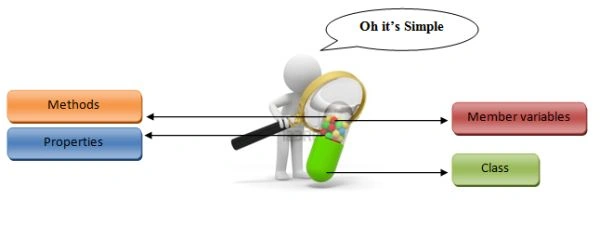
A class is a group of similar methods and variables. A class contains definitions of variables, methods, etcetera in most cases.
A class is simply a representation of a type of object. It is the blueprint that describes the details of an object. A class contains member variables, methods, and properties.
What is an Object?
An instance of a class is known as an object. Using that object, we can access the properties and methods of a class. The set of activities that the object performs defines the object's behavior. For example a Student (object) can provide the name or address.
In pure OOP terms, an object is an instance of a class.
style="text-align: center;">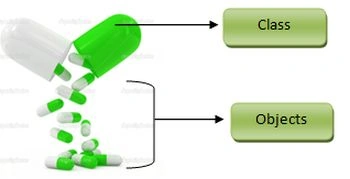
What is Encapsulation?
Encapsulation is a process of binding data members (variables and properties) and member functions (methods) into a single unit". A class is the best example of encapsulation.
style="text-align: center;">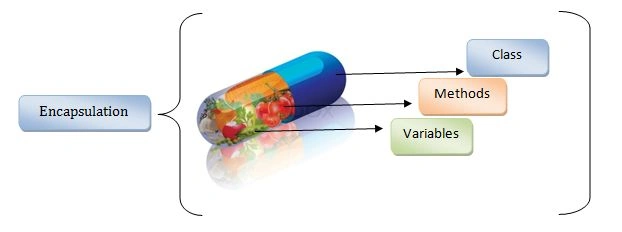
What is Inheritance?
Inheritance enables you to create a new class that inherits the properties from another class or base class, and the class that inherits those members is called the derived class. So the derived class has the properties of the base class and its own class properties as well.
style="text-align: center;">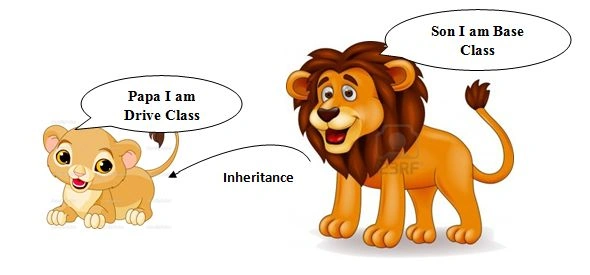
What is Polymorphism?
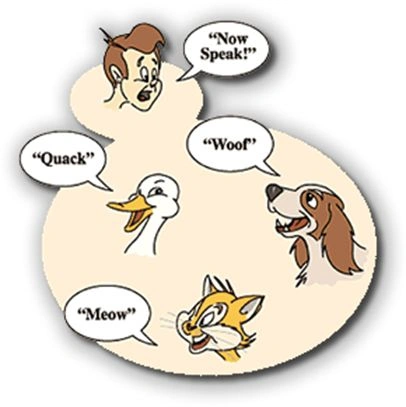
In simple words, we can say that whenever we are overloading the methods of a class, it is called polymorphism. Or you can say polymorphism is often expressed as "one interface, multiple functions".
What is an abstraction?
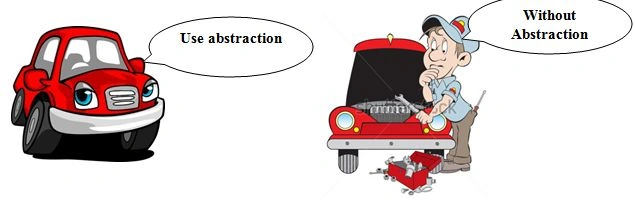
When we drive a car, we often need to change the gears of the vehicle, but we are not concerned about the inner details of the vehicle engine. What matters to us is that we must shift a gear; that's it. This is an abstraction; shows only the details that matter to the user.
Abstraction is used to manage complexity. Software developers use abstraction to decompose complex systems into smaller components.
SubashPosted Jul 22, 2016, 12:20 AM
It can easily understand every fresher
SubashPosted Jul 22, 2016, 12:19 AM
Very Simple Sir
Naveed ZamanPosted Nov 3, 2014, 9:48 AM
thanks alot for your kind words & appreciation
karthik parchaPosted Oct 6, 2014, 3:09 AM
Awesome presentation...
Rajeev RanjanPosted Oct 6, 2014, 1:59 AM
great Naveed Zaman this article is different remind me the old days. Images are really described alot.
thabang moabeloPosted Oct 5, 2014, 1:48 PM
good.i guess i have to memorise this tips for the rest of my learning time as a beginner.
Abhishek YadavPosted Oct 5, 2014, 5:12 AM
Wow Naveed... Well presented especially the pictures...
Abhishek KumarPosted Oct 5, 2014, 2:04 AM
Great Article.....nicely presented...:)
Manju lata YadavPosted Oct 5, 2014, 2:03 AM
That is the way we always love to learn.
Sanjay SinghPosted Oct 4, 2014, 12:57 PM
nicely explained sir...
Sandeep SharmaPosted Jul 3, 2014, 6:58 AM
interesting...
Naveed ZamanPosted Feb 21, 2014, 4:05 AM
thanks for reading my article.
Adarsh BalachandranPosted Feb 21, 2014, 3:13 AM
great effort Naveed :-)
Naveed ZamanPosted Jul 10, 2013, 3:33 AM
thanks
g gPosted Jul 9, 2013, 11:33 AM
Very useful and funny
Blocked AccountPosted May 25, 2013, 12:00 PM
Nice illustration
Mahesh ChandPosted May 25, 2013, 10:47 AM
Very cool!