

In modern applications, APIs are the backbone of communication between systems. While response payloads often get the spotlight, HTTP status codes are the true indicators of an API’s health, reliability, and correctness. For anyone involved in API testing, understanding and validating status codes is not optional, it is essential.
Why Status Codes Matter in API Testing
Status codes provide immediate insight into how an API processes a request. They define whether the request was successful, rejected, redirected, or failed due to a system issue. A visually correct response body can still mask serious defects if the status code is misleading or incorrect.
In production systems, monitoring tools, client applications, and automated workflows often rely more on status codes than response bodies. A wrong status code can trigger incorrect retries, broken user flows, or silent failures that are difficult to debug.
Understanding the Categories
2xx Success Responses: These codes confirm successful processing, but they are not interchangeable.
200 OK indicates a successful read or update.
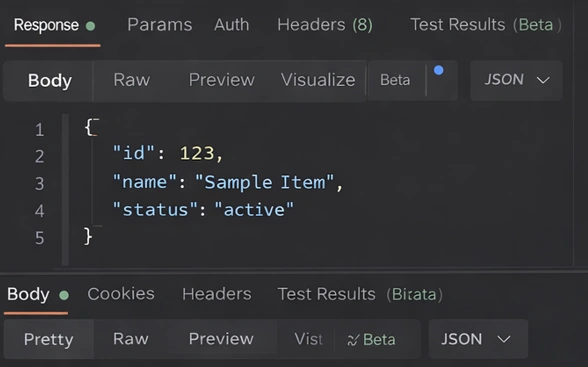
201 Created confirms that a new resource was actually created.

204 No Content is ideal when an operation succeeds but does not return data.
Using the wrong success code can mislead consumers and hide functional issues.
3xx Redirection Responses
Often ignored in testing, these codes are critical in real world integrations. Improper redirection handling can break clients, cause infinite loops, or expose security risks if sensitive data is redirected incorrectly.
4xx Client Errors - These codes are a goldmine for testers.
400 Bad Request reveals validation failures.
401 Unauthorized and 403 Forbidden highlight authentication and authorization gaps.
404 Not Found confirms correct handling of missing or deleted resources.
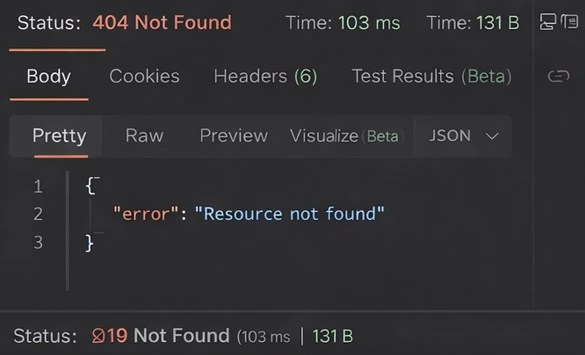
A well designed API should clearly communicate client mistakes instead of masking them as server errors.
5xx Server Errors
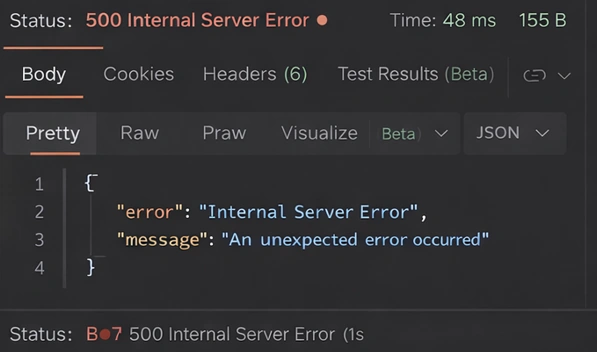
These responses signal instability, performance problems, or deployment issues. Testers should treat any 5xx response as a high priority risk. Even when they appear rarely, they often indicate deeper architectural or infrastructure weaknesses.
Status Codes and Test Design
Effective API test cases do not end at happy paths; they also include:
Confirming the correct status code was returned for each invalid input
Verifying that an API request made without proper authorization or that reached a forbidden endpoint does lack the correct response
Confirming that API requests behave consistently across all environments
Correctly signaling out errors during failure conditions
Automated test suites using assertion for both the status code and response data will provide a quicker response and much greater assurance that the API is behaving as expected.
Conclusion
HTTP status codes are not just technical details, they are the foundation of trustworthy APIs. They define how systems communicate success, failure, and intent without ambiguity. For API testers, validating status codes is one of the fastest and most reliable ways to uncover hidden defects, security gaps, and design flaws. An API that returns the right data with the wrong status code is broken by design. Clear, consistent status codes improve debuggability, strengthen integrations, and protect production systems from silent failures. In the world of API testing, status codes are the first line of truth. Ignoring them means testing only the surface. Understanding and validating them means testing the system for real.
Join the conversation! Your thoughts help the community grow.