
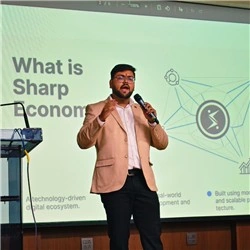
The way developers and students earn money is changing faster than ever. A few years ago, the typical path was simple: finish studies, look for a job, maybe do an internship, and hope opportunities would eventually arise.
But today, the digital economy works differently.
Opportunities no longer wait for people. Instead, opportunities are created by those who are willing to learn, contribute, build, and adapt.
As we move into 2026, earning is no longer limited to traditional jobs or long hiring cycles. A new generation of developers and students is discovering earning models that are practical, skill-based, and value-driven — without hype or unrealistic promises.
This article explores the top three legit and sustainable ways developers and students can earn in 2026 — while also building experience, credibility, and long-term growth.
1. The Rise of Skill-Based Micro-Work — Small Tasks, Big Learning
Freelancing has existed for years — but the way developers freelance today looks very different from what it used to be.
Earlier, freelancing meant long proposals, competitive bidding, months-long projects, and endless negotiations. Many beginners found it intimidating and difficult to break into.
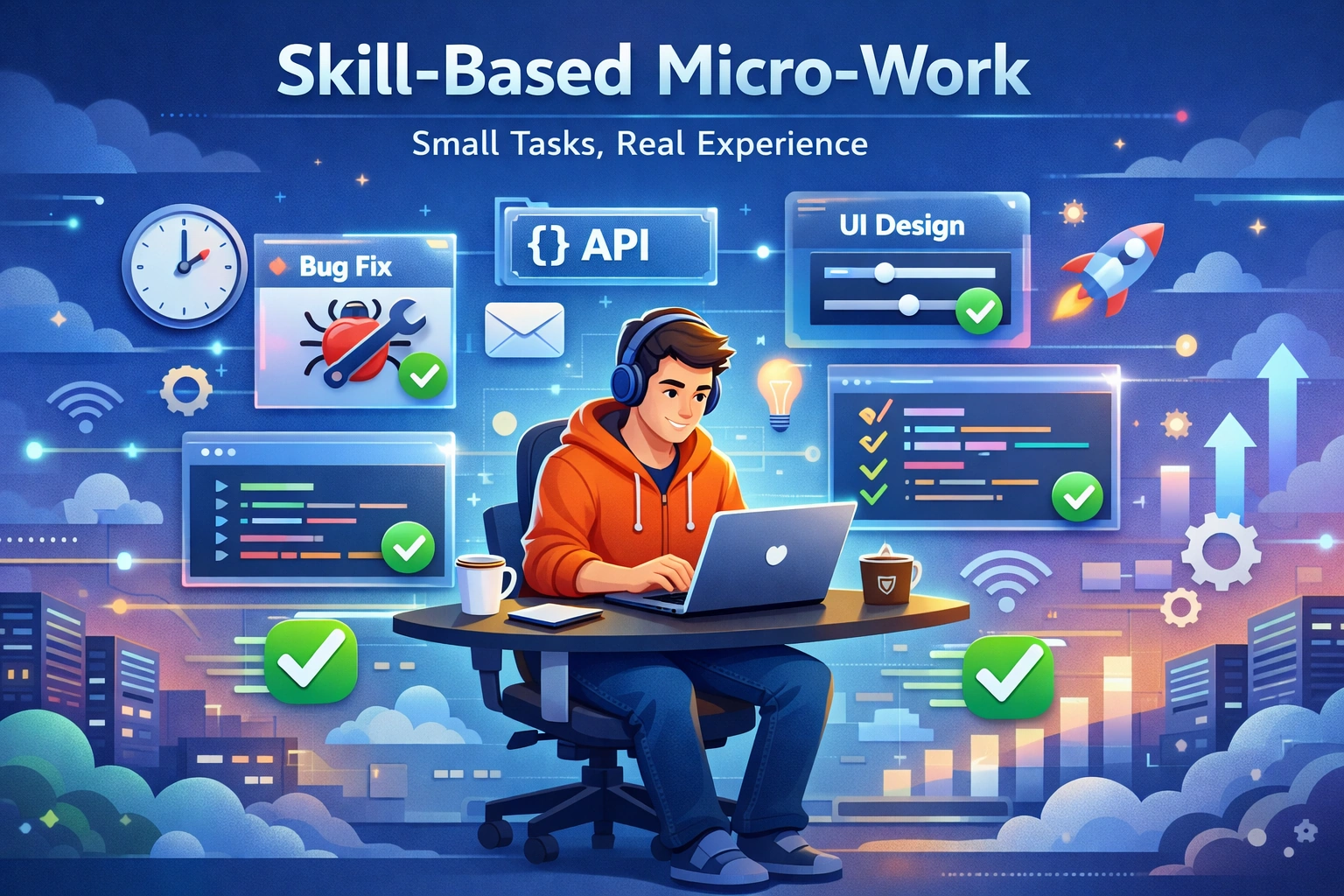
In 2026, the real shift is happening in micro-work and short-cycle technical tasks.
Instead of large-scale projects, developers and students now work on:
bug fixes and patch updates
small automation utilities
API and module integrations
UI components and layout tweaks
basic documentation and clean-ups
These are smaller tasks, but they deliver much larger impact.
They help learners gain:
practical exposure
confidence in real-world code
portfolio-ready experience
industry-relevant problem-solving skills
Micro-work creates a space where students and early-stage developers can:
✔ start small
✔ learn quickly
✔ deliver fast
✔ and still earn meaningfully
More importantly, it builds a mindset of execution over hesitation — something a classroom alone cannot teach.
In many ways, micro-work isn’t just an income channel. It is a stepping stone into the real world of development.
2. Contribution-Based Earning — Learning, Sharing, and Growing Together
Another powerful earning model gaining momentum is contribution-based earning in developer communities.
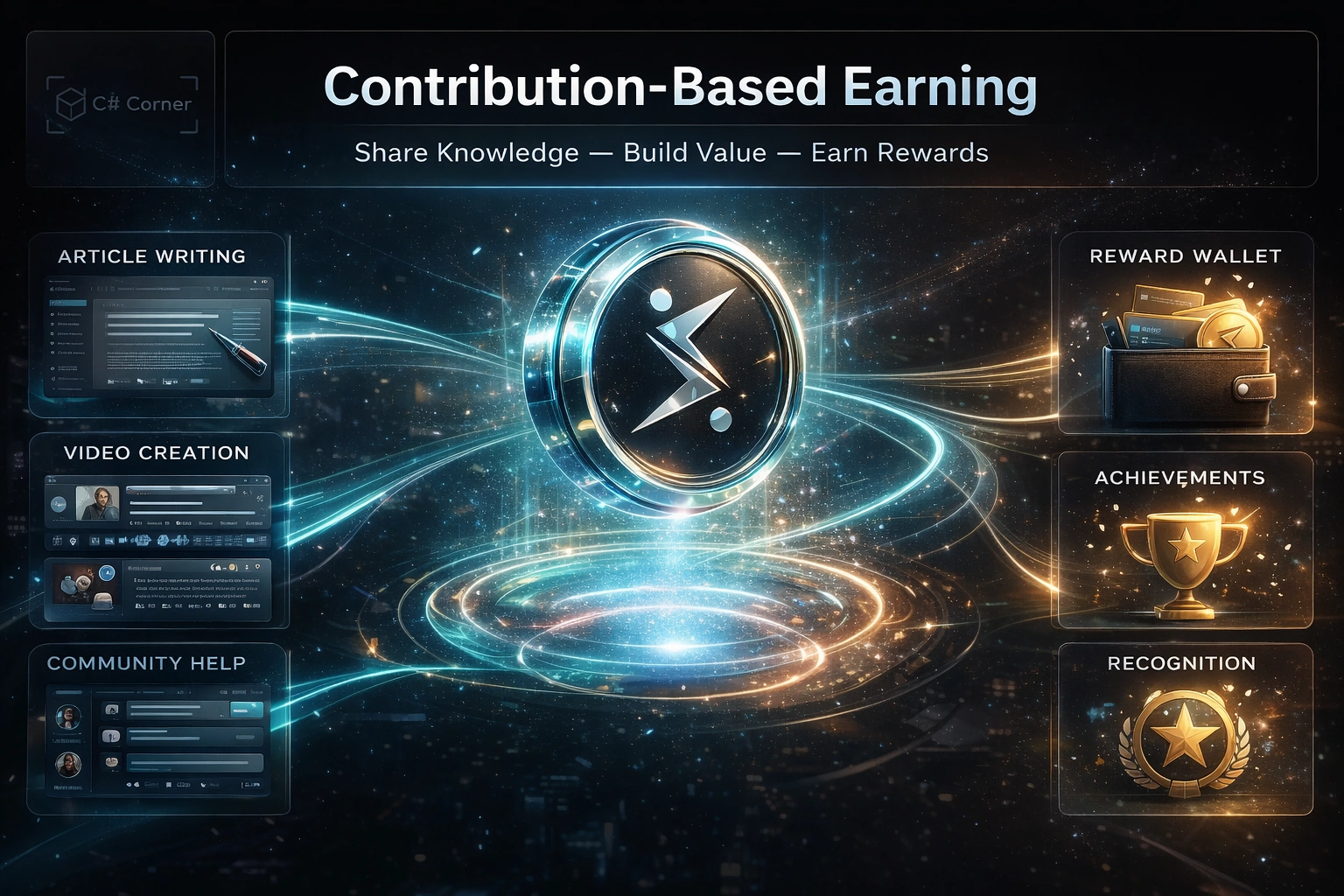
Instead of earning only through coding tasks, developers and students earn by sharing what they know and helping others grow. This includes:
writing technical articles
publishing tutorials or learning videos
solving doubts in forums
participating in discussion threads
sharing real-project insights
Platforms like C# Corner encourage this ecosystem-driven approach, where contributors can create educational value and receive Sharp Token rewards, which are then redeemed through the Sharp Reward Wallet.
This model is uniquely powerful because it blends:
learning
contribution
recognition
networking
and earning
It gives developers and students an opportunity to:
build a professional identity
showcase technical expertise
gain community trust
and stand out from peers
Unlike passive social media posting, contribution-based earning is grounded in knowledge exchange and community value.
Instead of being only consumers of content, developers become contributors and thought-leaders in the making.
For many students, this becomes the first real step toward:
portfolio visibility
industry credibility
mentorship-driven growth
and long-term professional networking
Contribution isn’t just about rewards — it helps shape a stronger and more confident professional journey.
3. Building Digital Assets — Creating Value That Compounds Over Time
The third and perhaps most impactful earning model for 2026 lies in building your own digital assets.
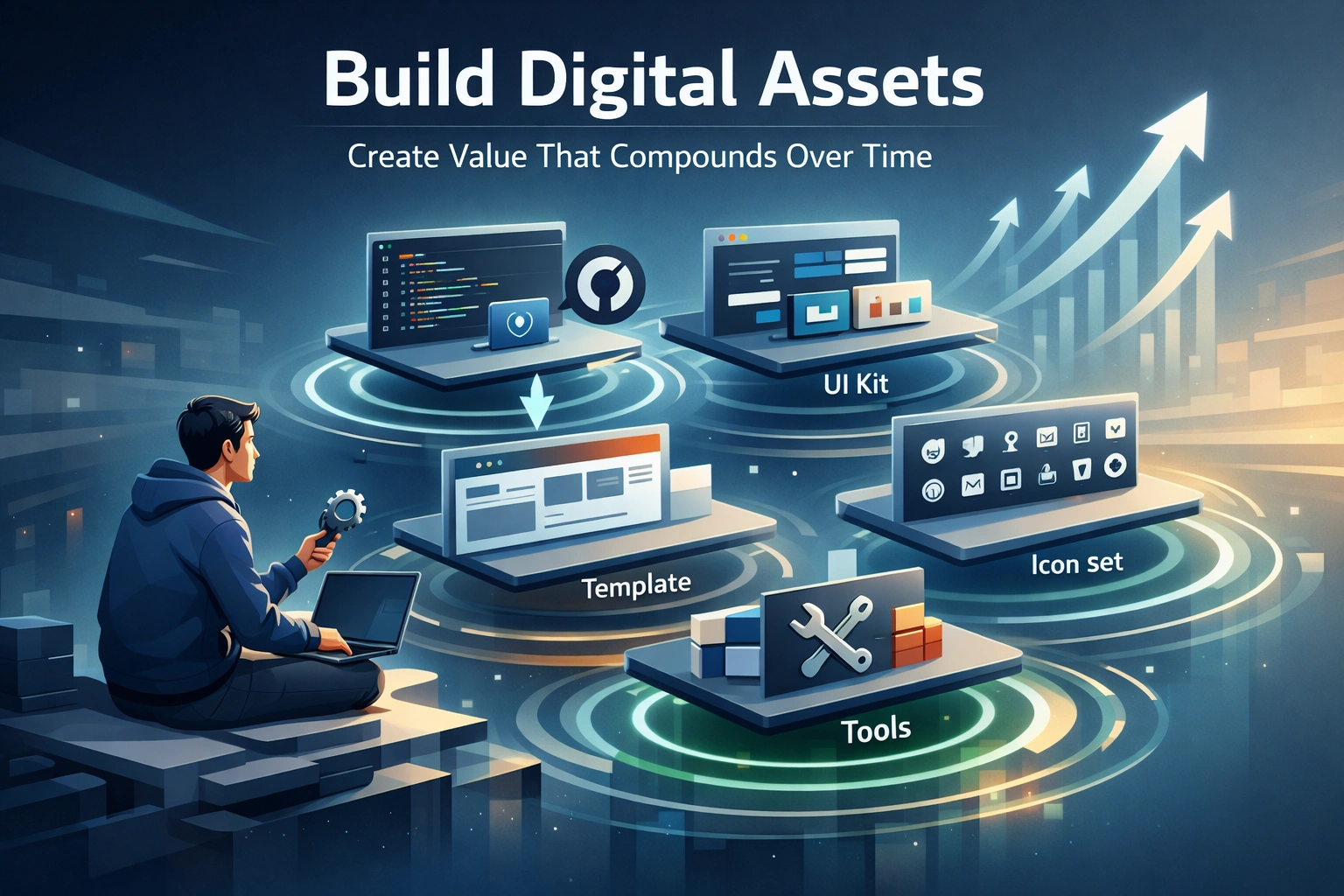
Rather than depending solely on one-time tasks or gigs, developers are now creating assets that continue generating value over time.
These may include:
reusable tools and utilities
open-source components
GitHub libraries
starter templates
curated technical roadmaps
niche learning resources
Digital assets work differently than conventional work.
They:
reach more people
establish expertise
create recognition
attract opportunities
and build long-term authority
Every asset published becomes a proof of skill — visible, verifiable, and impactful.
Developers who create assets are not just writing code. They are building systems that others benefit from — and that contribution evolves into influence, trust, and leadership potential.
Over time, these assets open pathways to:
collaborations
consulting offers
speaking opportunities
project partnerships
and career breakthroughs
In short, asset creators don’t chase opportunities — opportunities come to them.
The Real Message — 2026 Belongs to Value Creators, Not Passive Learners
The future of earning is shifting toward those who:
build real skills
create value for others
participate in communities
contribute knowledge
and take initiative
Certificates alone will not define success in 2026.
Contribution, execution, and value creation will.
Whether it’s through:
✔ micro-work
✔ contribution-based earning
✔ or digital asset creation
Every step helps developers and students move closer to:
meaningful experience
practical confidence
and sustainable earning potential
The world is opening doors — not just for job seekers — but for creators, contributors, and builders.
And those who embrace this shift early…
will lead the future of opportunity.
Join the conversation! Your thoughts help the community grow.