

📌 Introduction
One of the most stressful moments for any crypto user is restoring a wallet with the correct recovery phrase and then seeing unfamiliar addresses or a zero balance. The immediate assumption is that something went wrong or the funds are lost.
In most cases, nothing is lost. What you are seeing is a result of how wallets derive addresses and how different apps choose to display them.
🧠 Recovery Phrases Do Not Create a Single Address
A recovery phrase does not point to one fixed address. It generates a root secret from which many addresses can be derived in a predictable order.
Wallets move through this sequence as they create new addresses. When you restore a wallet, the app has to decide which addresses to look at and how far to scan.
Different wallets make different choices here.
🧭 The Role of Derivation Paths
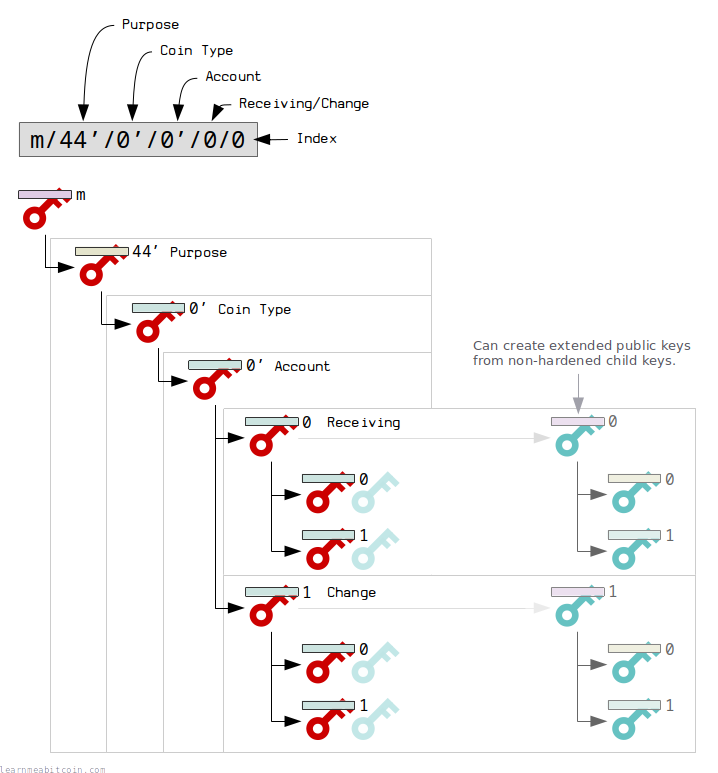
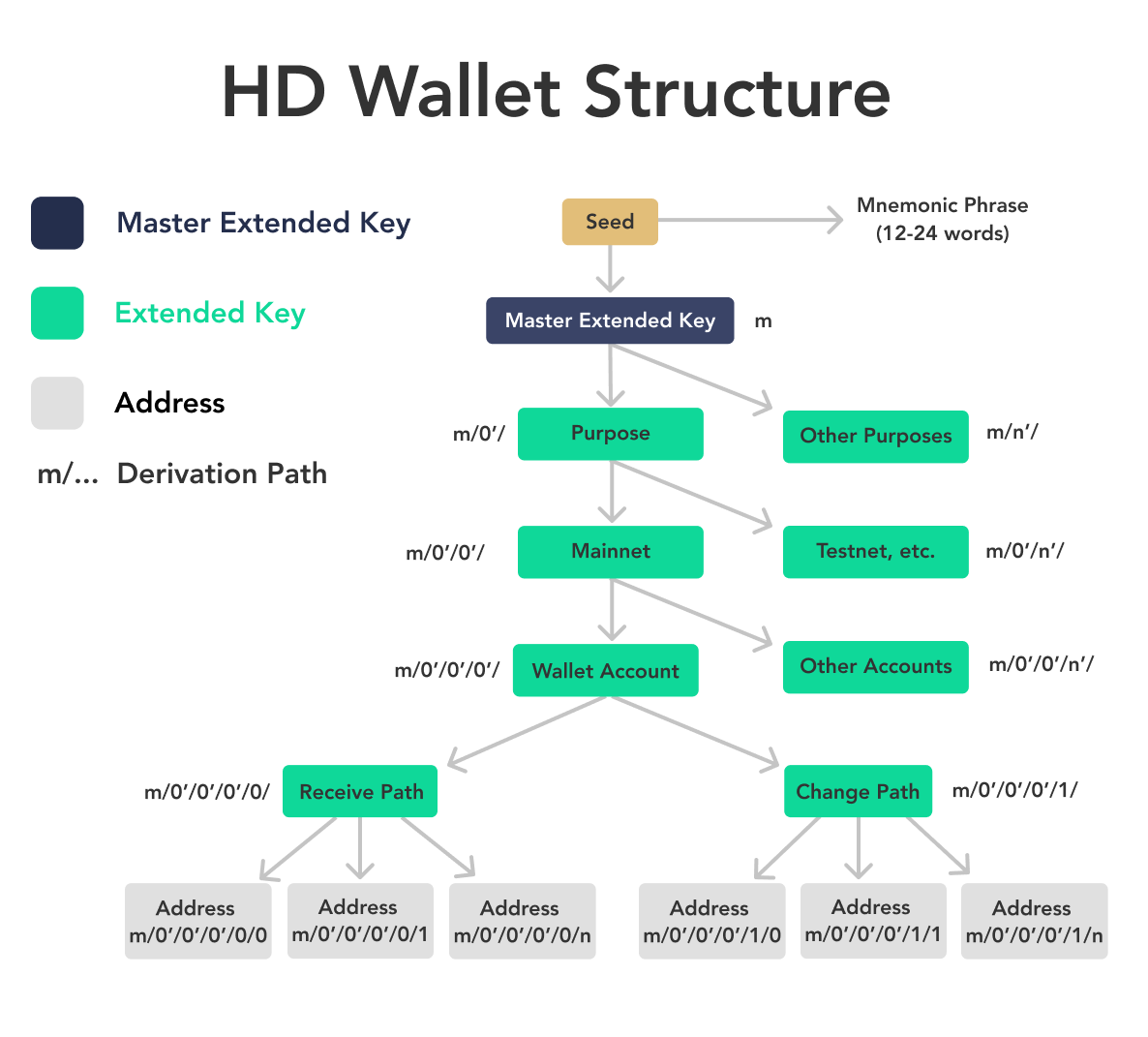
Addresses are not derived randomly. They follow something called a derivation path, which is essentially a structured way of saying where in the key tree an address lives.
If two wallet apps use different default derivation paths, they can show different addresses even when using the same recovery phrase.
Both wallets are technically correct. They are just looking at different branches of the same tree.
🔁 Account Indexes Matter More Than People Realize
Many wallets support multiple accounts. Each account is simply another level in the derivation structure.
If your funds were used under account one, but the restored wallet opens account zero by default, you will not see your funds until you switch accounts.
This often explains why users see an empty wallet after a restore.
🔍 Address Scanning and Discovery Limits
When a wallet restores from a recovery phrase, it does not scan an infinite number of addresses. That would be inefficient and slow.
Instead, it scans a limited range of addresses and stops once it believes it has found all activity. If your funds were sent to an address outside that initial scan range, they may not appear immediately.
Some wallets allow you to extend the scan or manually add more address indexes.
🧩 Network and Address Type Differences
Another common issue is network selection. The same recovery phrase can derive addresses for different blockchains.
If you restore on the wrong network, the addresses and balances will not match.
Address format also matters. For example, Bitcoin wallets may default to different address types, such as legacy or SegWit. Using the wrong type can make addresses appear different even though the underlying keys are related.
⚠️ The Optional Passphrase Factor
Some users enable an optional passphrase on top of their recovery phrase. This is sometimes called a 25th word.
If you forget that you used a passphrase, or restore without it, the wallet will generate a completely different set of addresses. In this case, the phrase is correct, but the resulting wallet is different.
This is one of the hardest issues to diagnose after the fact.
🧪 What to Check Before Assuming Funds Are Lost
Before concluding that funds are gone, it is worth carefully checking a few things.
Confirm the network you are on
Switch between available accounts
Check address type settings
Increase address scan depth if possible
Confirm whether a passphrase was used
In many cases, the funds appear once the wallet is looking in the right place.
🧠 A Helpful Mental Model
Think of the recovery phrase as the root of a large tree. Derivation paths are branches, accounts are sub branches, and addresses are leaves.
If you are standing on the wrong branch, you will not see the leaves you expect, even though the tree is the same.

🚨 Why This Confuses So Many Users
Wallet apps often hide these details to keep the interface simple. Unfortunately, when something goes wrong, that simplicity becomes a disadvantage because users do not know what the app is doing behind the scenes.
Once you understand that different wallets can look at different parts of the same key tree, this behavior becomes predictable instead of scary.
✅ Final Takeaway
Seeing different addresses with the same recovery phrase usually does not mean your funds are lost. It usually means the wallet is looking at a different derivation path, account, address type, or network.
The recovery phrase is still correct. The challenge is making sure the wallet is searching in the same place it did originally.
Join the conversation! Your thoughts help the community grow.