

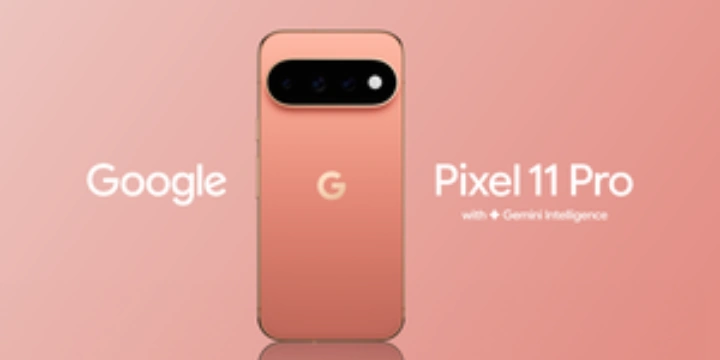
Google has unveiled its new Pixel 11 smartphone family, introducing the Pixel 11, Pixel 11 Pro and Pixel 11 Pro XL at its August 12, 2026 hardware event. The new phones combine Google’s next-generation Tensor G6 processor with upgraded cameras, new AI-powered photography and productivity features, brighter displays on the Pro models, and additional security hardware.
The Pixel 11 starts at $899, while the Pixel 11 Pro and Pixel 11 Pro XL start at $1,099 and $1,299, respectively. All three models begin with 256GB of storage, representing a $100 increase over the previous generation’s starting prices.
Google’s broader Made by Google event also introduced the Pixel 11 Pro Fold, Pixel Watch 5 and Pixel Tag, but the three conventional Pixel 11 smartphones form the core of the new flagship lineup.
Three Phones, One Tensor G6 Platform
The Pixel 11 generation is built around Google Tensor G6, the company’s latest custom smartphone processor.
Google’s focus with Tensor G6 is not simply conventional CPU performance. The chip is designed to improve efficiency and provide additional processing capability for Google’s increasingly AI-focused smartphone features.
The new processor supports the latest generation of Gemini-powered experiences, computational photography, and video processing. Google is positioning the hardware as the foundation for Gemini Intelligence, its broader strategy for bringing more proactive AI capabilities directly into the Pixel experience.
The emphasis reflects a shift in Google’s smartphone strategy: rather than treating AI as a standalone application, the company is integrating it across the operating system, camera, communications, and everyday device interactions.
Pixel 11 Gets a New Camera System
The standard Pixel 11 receives a significant camera upgrade, including a new 48-megapixel main camera sensor.
Google says the new sensor captures substantially more light than the previous generation. The phone also uses Tensor G6’s image-processing capabilities to extend its zoom range to 30x Super Zoom.
Google is also introducing Camera Looks, which gives users more control over the visual style of photographs directly within the camera experience.
The feature is part of a broader effort to make computational photography more adjustable rather than relying entirely on Google’s automatic image processing.
Pro Models Push Camera and Display Capabilities Further
The Pixel 11 Pro and Pixel 11 Pro XL receive more extensive hardware upgrades.
Both Pro models feature brighter Super Actua displays reaching up to 3,600 nits of peak brightness. They also receive upgraded camera systems, including a redesigned 48-megapixel telephoto camera with improved low-light performance.
The Pro models support up to 120x Pro Zoom, extending Google’s computational photography approach well beyond the standard Pixel 11’s 30x capability.
Google is also improving nighttime photography. The new generation is designed to make Night Sight captures faster while continuing to use computational processing to compensate for challenging lighting conditions.
HiLight Adds a Physical AI Indicator
One of the most visible hardware changes on the Pro models is HiLight, an LED-based notification system integrated into the rear camera area.
The light can provide visual signals when the phone is placed face down, including indications associated with Gemini interactions and selected contacts.
The idea is to let users understand that something requires attention without turning the phone’s display on.
It also gives Google a physical interface for Gemini-related activity, connecting the company’s AI software strategy with a visible hardware element.
Magic Capture Targets Spontaneous Moments
Google is also adding Magic Capture, a camera feature designed to capture photos and video around a moment and automatically organize the resulting media.
The feature is part of a wider set of new camera and creator tools introduced with the Pixel 11 generation. Google is also adding a Creator experience with tools for editing video and improving recorded content.
For creators, the changes are significant because Google is moving more of the capture-to-edit workflow onto the phone rather than requiring separate applications for every stage.
Pro Stable Video and 8K Recording
Video is another major focus of the new Pixel generation.
Google has introduced Pro Stable Video, including support for 8K video recording on the higher-end models. The feature is intended to improve stabilization and provide more control for users shooting professional-style video from a smartphone.
Combined with the Creator tools, the Pixel 11 Pro models are being positioned not only as computational photography devices but also as increasingly capable mobile video-production systems.
Battery and Charging Improvements
Google says the Tensor G6 platform improves power efficiency across the Pixel 11 family, helping the new phones achieve more than 30 hours of battery life under Google’s stated usage conditions.
The phones also support Qi2.2 wireless charging at up to 25W, increasing wireless charging performance compared with the previous generation.
Google has also continued its Pixelsnap accessory ecosystem, allowing compatible magnetic charging and mounting accessories to connect to the devices.
Actual battery life and charging speeds will vary depending on usage, temperature, accessories and other conditions.
Titan M3 Brings New Security Hardware
Security remains another major component of the Pixel 11 architecture.
Google has introduced the Titan M3 security chip, replacing the previous-generation security hardware. The new chip works with Tensor G6 to provide hardware-backed security functions.
Google has also highlighted post-quantum cryptography for secure boot, reflecting growing industry attention to cryptographic threats posed by future quantum computing systems.
The approach gives Pixel another layer of hardware-enforced protection alongside Android’s existing security architecture.
Seven Years of Software Support
Google continues its long-term software-support commitment with the Pixel 11 generation.
The Pixel 11, Pixel 11 Pro and Pixel 11 Pro XL are expected to receive seven years of operating-system, security and Pixel Drop updates.
Google is also emphasizing Gemini as a core component of the software experience rather than an optional assistant. Pro buyers receive a limited period of access to Google AI Pro, adding expanded access to Google’s AI services and cloud storage.
Pixel 11 Series Pricing and Availability
The U.S. starting prices are:
| Model | Starting price | Starting storage |
|---|---|---|
| Pixel 11 | $899 | 256GB |
| Pixel 11 Pro | $1,099 | 256GB |
| Pixel 11 Pro XL | $1,299 | 256GB |
Google opened pre-orders on August 12, 2026, with retail availability scheduled for August 20.
The pricing represents a $100 increase across the conventional Pixel 11 lineup compared with the previous generation.
Regional pricing and availability can differ from the U.S. figures.
How the Three Models Differ
The Pixel 11 is aimed at users who want Google’s latest Tensor platform and camera software without paying Pro-level pricing.
The Pixel 11 Pro adds a more advanced camera system, brighter display, higher-end video capabilities, and HiLight.
The Pixel 11 Pro XL sits at the top of the conventional lineup, combining the Pro camera and AI features with the largest display and the highest starting price.
This gives Google a clearer three-tier structure:
Pixel 11: mainstream flagship
Pixel 11 Pro: compact premium flagship
Pixel 11 Pro XL: large-screen premium flagship
The separate Pixel 11 Pro Fold occupies the foldable category rather than competing directly with the three conventional models.
Join the conversation! Your thoughts help the community grow.