

Meta has officially unveiled Muse Image, a next-generation AI image generation model developed by its new Meta Superintelligence Labs division. The launch marks Meta’s biggest leap yet into AI-generated visual content and positions the company directly against image models from OpenAI, Google, and other AI leaders.
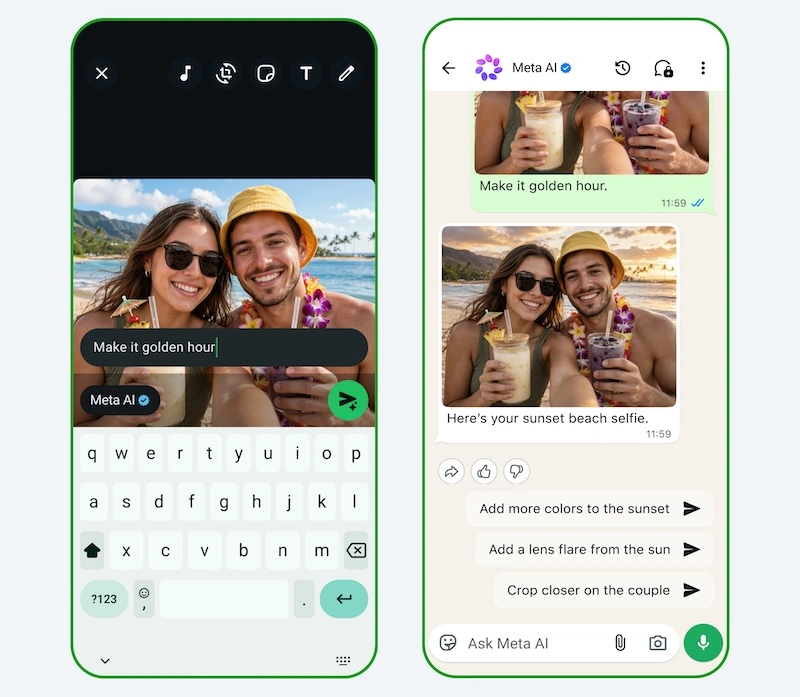
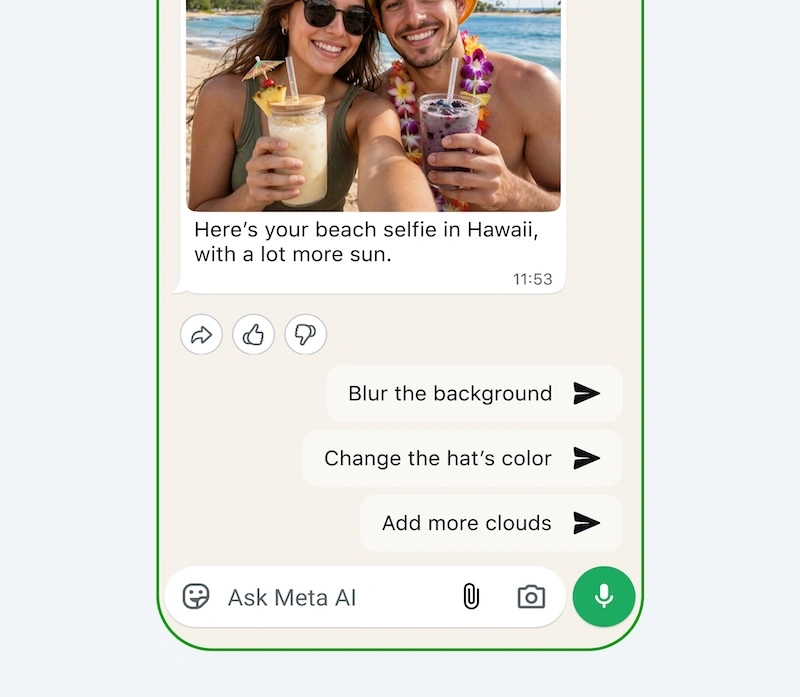
According to Meta, Muse Image is designed to understand complex prompts, generate high-quality images, edit existing visuals, and work seamlessly across Meta’s ecosystem including Instagram, WhatsApp, Facebook, and the Meta AI app. Users can create images from text prompts, transform existing photos, or modify generated images using sketches and annotations.
Some of the key capabilities include:
Advanced text-to-image generation
Image editing using natural language
Sketch-based modifications
Photo transformations
Complex prompt understanding
Native integration with Meta apps
One of the more unique features is social context awareness. Meta says Muse Image can incorporate public Instagram content into image generation workflows through @mentions and existing photos, while giving users controls over how their content is used in AI experiences.
The model also powers more than 30 new AI visual effects coming to Instagram Stories and other Meta products, expanding AI creativity tools directly inside social experiences rather than requiring standalone applications.
Muse Image is built on top of Meta’s broader Muse AI family, which began earlier this year with the launch of Muse Spark, Meta’s multimodal reasoning model developed under the leadership of Alexandr Wang. The company sees these models as foundational building blocks toward what CEO Mark Zuckerberg describes as “personal superintelligence.”
Meta also confirmed that a companion Muse Video model is currently in development and will bring native video generation capabilities with synchronized audio and improved prompt adherence.
The launch highlights a broader industry shift: AI companies are no longer competing only on chatbots and language models. The new battleground includes image generation, video creation, multimodal reasoning, and AI-native creative tools integrated directly into consumer products.
Join the conversation! Your thoughts help the community grow.