

Introduction
Copying an Azure database to a local server can be helpful for various reasons, such as creating a local backup of your data or testing new development features. Microsoft SQL Server provides us with a feature by which we can create a copy of our Azure database in a local server. In this article, we will provide a step-by-step guide on how to copy an Azure database into a local server.
Agenda for the Article
- What is Microsoft SQL Server Management Studio
- Why Do We Need to Copy the Database
- How to Copy Database
What is Microsoft SQL Server Management Studio?
Microsoft SQL Server is a relational database management system (RDBMS) developed by Microsoft Corporation. It is a software product that stores, manages and retrieves data in a relational database format. SQL Server is a powerful tool to manage data efficiently and securely. It is easy to use and creates highly scalable, secure, and reliable databases. SQL Server provides various database functionalities like transaction processing, data analysis, and business intelligence. Additionally, it supports SQL, T-SQL, and .NET programming languages.
SQL Server is a widely used RDBMS popular among businesses and organizations of all sizes. It is used for various applications, including transaction processing, business intelligence, and analytics. SQL Server supports features like high availability, security, scalability, and integration with other Microsoft technologies, such as .NET Framework and Microsoft Azure.
Why Do We Need to Copy Database?
Let us understand this with a real-case scenario. Suppose a developer is assigned the task of working on the database. The company does not want him to work in the cloud or live databases directly. Playing with the live database can cost in many ways. That is why we always create a copy of the cloud database in our local server for fast processing and lower database cost.
How to Copy a Database?
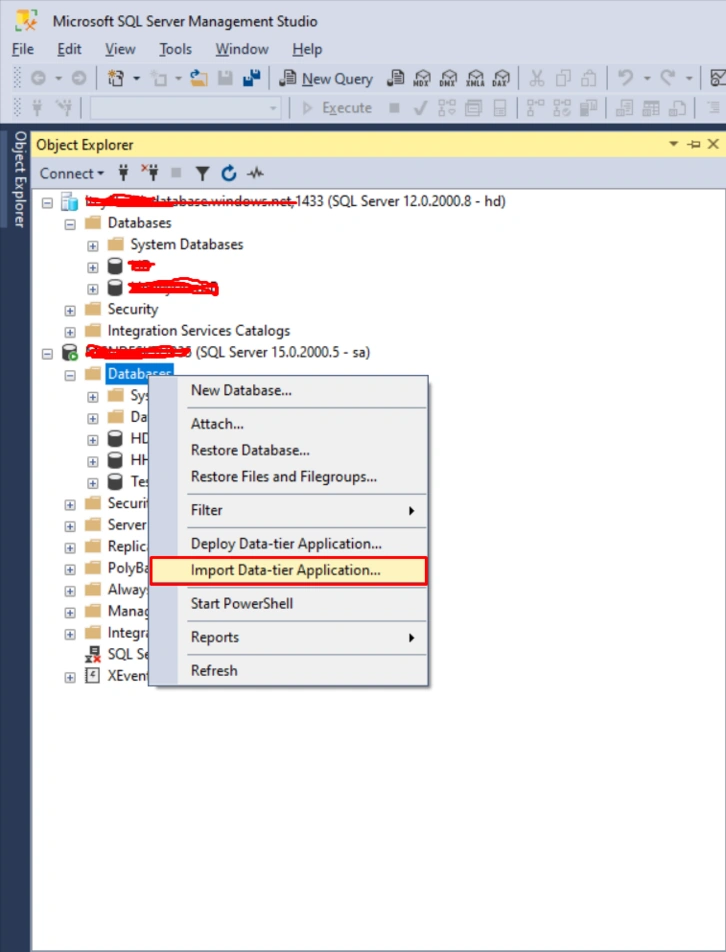
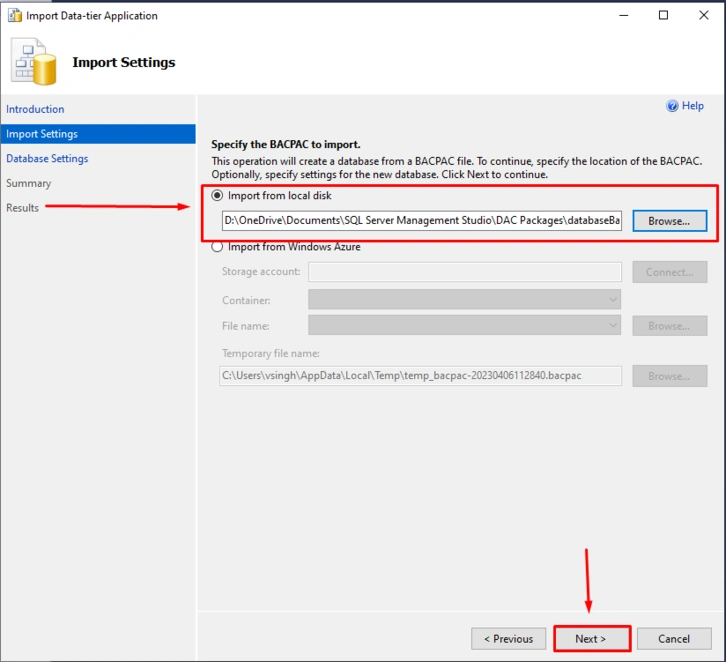
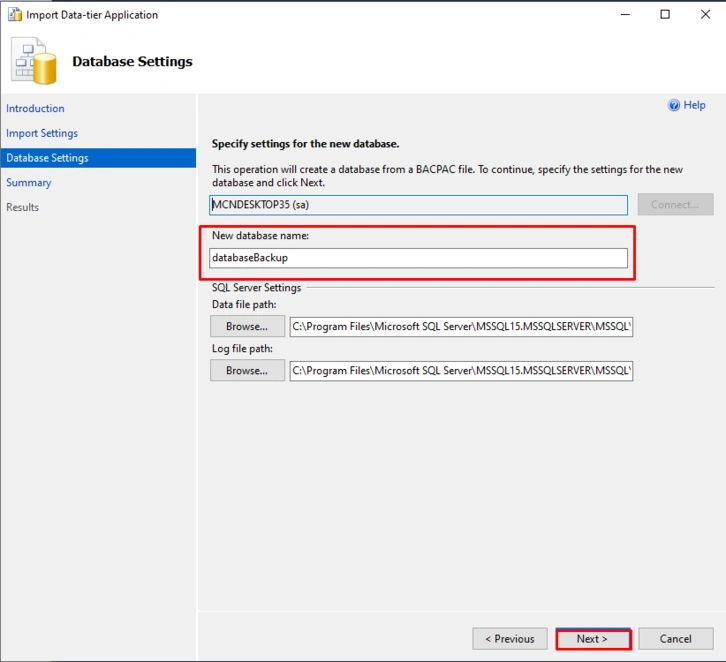
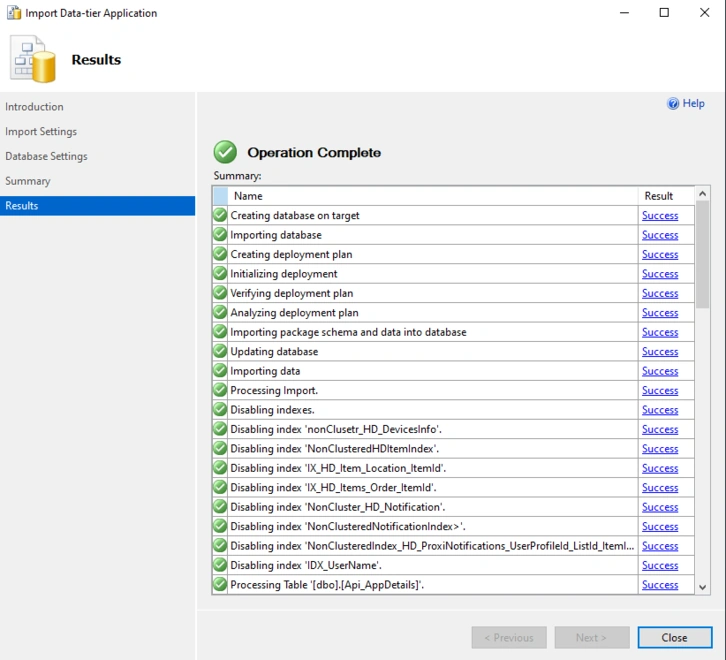
To create a copy, we need to follow the below given steps.
1. First of all, Open your SQL Server 2019 and connect to the Azure database by entering the proper credentials as given below,

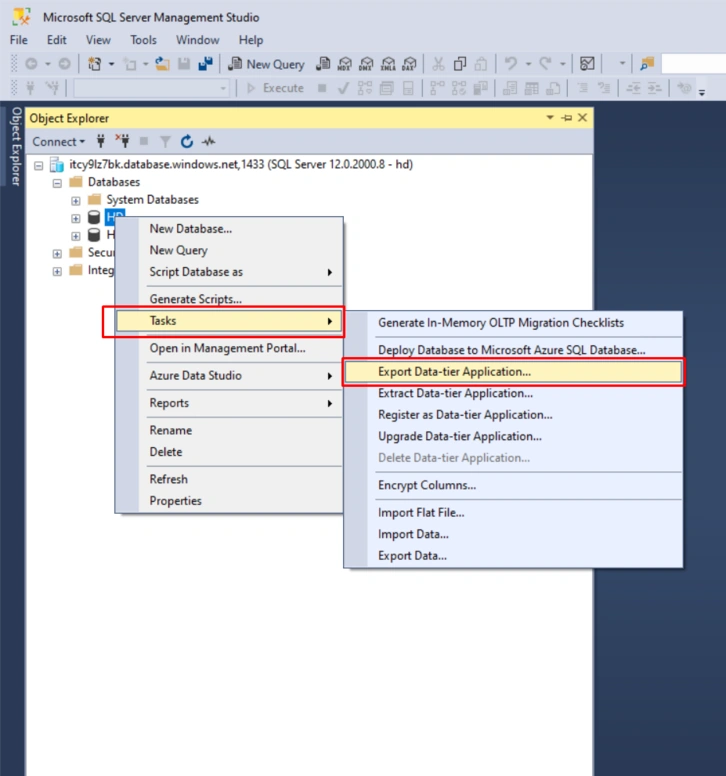
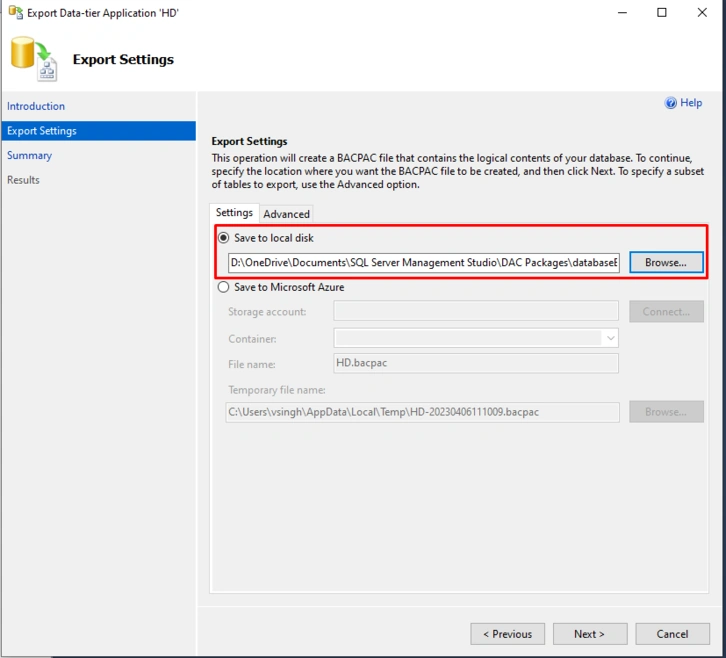
2. The next step is to do right click on the database name and go to Tasks, and then Export Data-Tier Application
Tasks>Export Data-Tier Application
Join the conversation! Your thoughts help the community grow.