

Introduction
In my previous article, we learned about the basic idea of IoT devices (Raspberry Pi) and how to install Windows 10 IoT Core on Raspberry Pi 2.
In this article, I will introduce the installation process of Raspbian Jessie (the Debian flavor of Linux, officially supported by Raspberry Pi). Jessie is the official operating system for Raspberry Pi. As compared to Windows 10 IoT, Raspbian Jessie is a full desktop operating system where you can perform lots of tasks just like any PC. A lot of tools are available out of the box, like LibreOffice Suite, Java development environment, etc., and you can browse the internet, configure your mails, play games, etc. in this operating system. Along with these common uses, you can use this OS in your home automation projects as well.
Prerequisites
- Raspberry Pi 2 or the latest.
- Mobile charger (Micro USB charger) to power up your Raspberry Pi
- 4GB micro-SD card (at least) but I recommend using 8GB Class -10
- Monitor or display screen (optional) to connect Raspberry Pi.
- Card reader to transfer OS image to micro-SD card.
- Laptop or Desktop to transfer OS image in micro-SD card.
- Image file of Raspbian Jessie OS, which is optional if we choose the NOOBS method.
- Image writing software.
- Supported Wi-Fi dongle or a LAN cable to connect your Raspberry Pi to the network.
Installing Raspbian Jessie
There are multiple ways to install the Raspbian Jessie on your Raspberry Pi.
- Download and install the Raspbian Jessie image. or
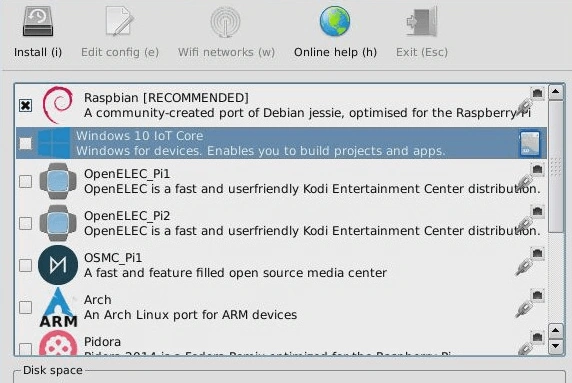
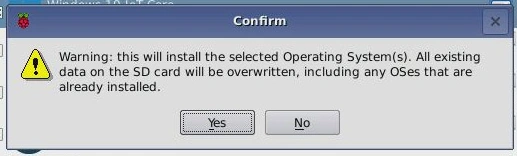
- We can use NOOBS to install Raspbian Jessie.
Installing Raspbian Jessie by downloading the image
- Insert the micro-SD card into the card reader and connect it with your PC.
- Format your SD card with FAT file system. To format your SD card, you can use a very good tool from the SD Association's Formatting Tool.
- Download the Raspbian Jessie image from the official site. We have two options on the landing page - Raspbian Jessie and Raspbian Jessie Lite. For this article and further articles, we will be using Raspbian Jessie’s full image but you can use any of them both. Extract the zip file.
- For the next step, we need software to write the operating system image into the SD card. For this purpose, you can use the Win32DiskManager tool.
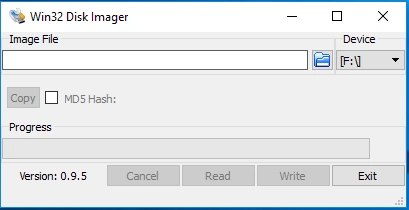
- Select your SD card from available device options.
- Select the location of the Raspbian Jessie’s image file wherever you have downloaded it on your PC.
- Click Write button in Win32 Disk Imager.
- After some time, your memory card will be ready. On completion, remove your SD card and insert it into the Raspberry Pi’s memory card slot. (You can find this slot on the backside of the Raspberry Pi).
- Power On your Raspberry Pi. The first boot will take some time (5 mins approx.).
- After the booting, you will get the following screen.

Vignesh ManiPosted Sep 4, 2016, 5:04 PM
Nice