

Abstract / Overview
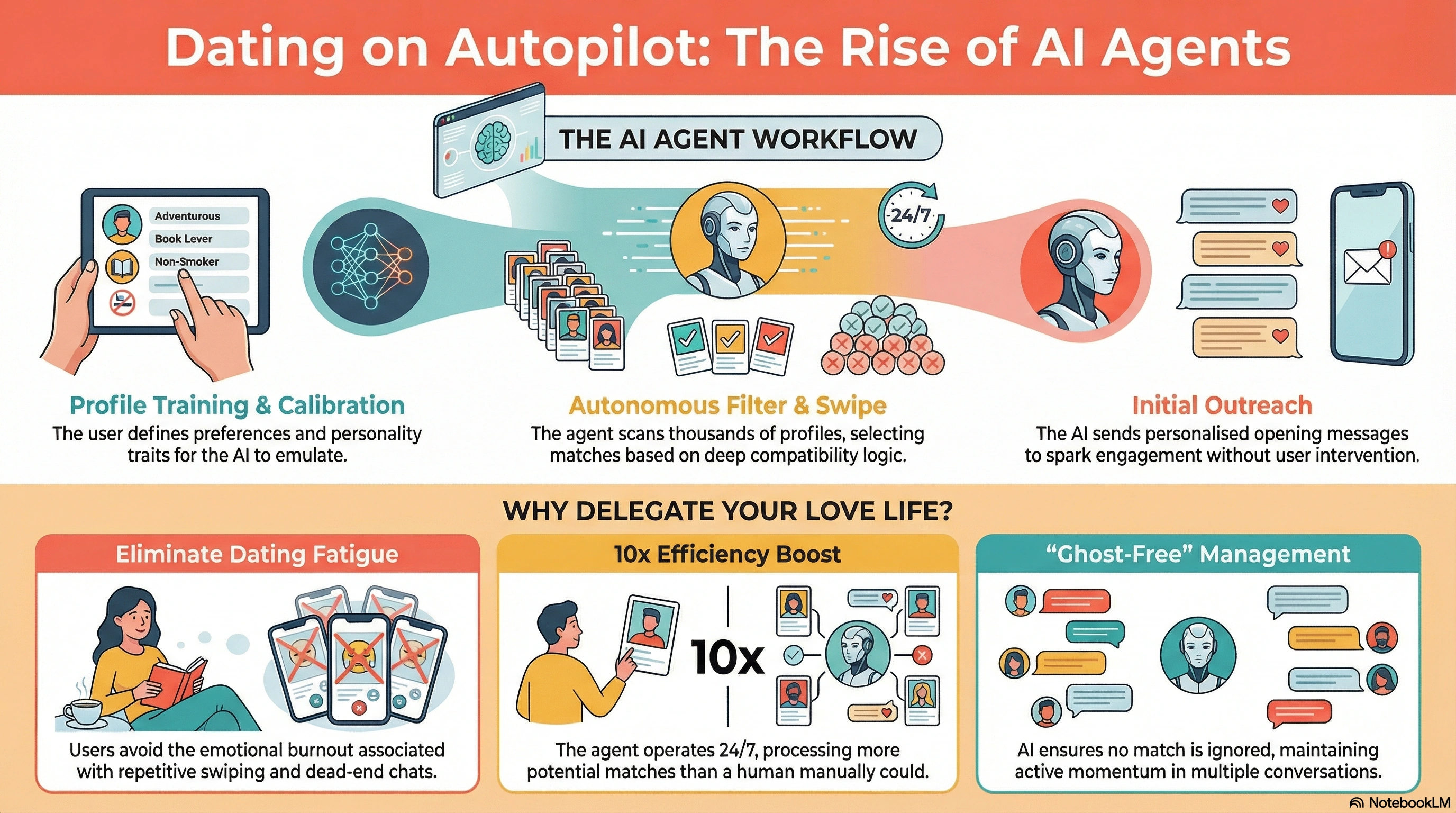
MoltMatch is a dating idea that feels simple: let an AI agent do the boring parts of dating apps. It creates your profile, chooses photos, swipes, and starts chats. You only join when there is a strong match, and both sides show interest.
The OpenClaw team shared MoltMatch as a real example of where “agentic AI” is going. Agentic AI means an AI that can take actions for you, not just answer questions.
This matters because dating is personal. It involves trust, feelings, and real people on both sides. When an agent speaks for you, small mistakes can become big harm fast.
Conceptual Background
What an “AI agent” is (in plain words)
An AI agent is software that can plan and act. It does not just respond. It can do tasks using tools you allow, like browsing, sending messages, or editing files.
Why memory changes everything
Many agents can keep “memory” on disk. OpenClaw’s memory system stores notes in simple Markdown files. The agent “remembers” what gets written there. That makes it better at long-term help, but it also increases privacy and consent risks.
Why dating is a special case
Dating is not like drafting an email. In dating:
People expect a real person, not a stand-in
Small lies feel like betrayal
Safety and consent are always in play
Step-by-Step Walkthrough
How MoltMatch works (based on the OpenClaw post)
The agent creates your dating profile
It writes a bio and picks photos
The agent swipes and filters matches
It tries to find people who fit your preferences
The agent sends the first messages
It handles early chat to test interest
You step in later
You join once it finds a promising connection, and both sides show interest
A simple “safe use” checklist (if you ever try agent dating)
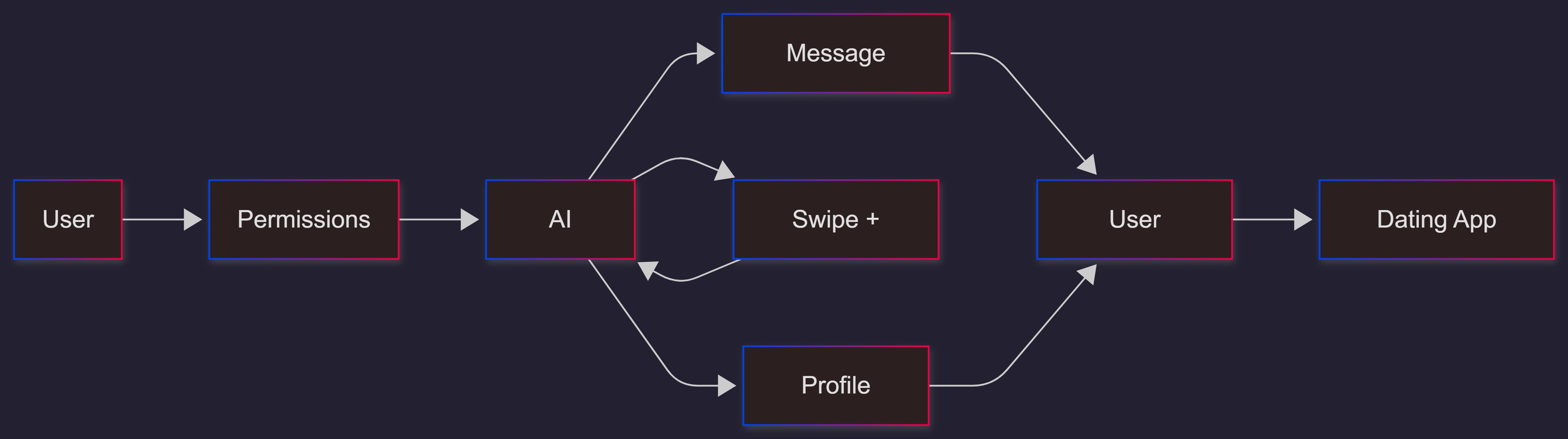
Keep permissions narrow
Only allow dating-app actions, not full access to your digital life
Turn on clear disclosure
Matches should know when they are chatting with an agent
Set hard boundaries
No flirting style you would not say yourself
No intimate talk handled by the bot
Keep a review step
You approve the bio and first messages
Make memory easy to view and delete
You should be able to wipe stored facts anytime
If you’re building products like this, do not ship them “raw.” You need safety guardrails, clear consent flows, and audit logs. If you want expert help to design, review, and ship responsible agent experiences, work with C# Corner Consulting. They can help you build safer permissions, better disclosure, and stronger trust signals.
Use Cases / Scenarios
Where this could help
Dating app fatigue
Less time swiping and writing openers
Accessibility support
Help for people who struggle with writing or social anxiety
Filtering at scale
Quickly narrowing to a smaller set of better matches
Where this can go wrong
A profile that feels “too perfect”
The match thinks they met you, but they met your bot
Consent problems
The agent takes action you did not truly mean to allow
Safety problems
Over-sharing, risky messages, or poor judgment at the wrong time
Identity problems
A bot can mimic someone or reuse photos without permission
Fixes
Safeguards that should be standard for agent dating
Explicit, specific opt-in
Dating should never be covered by “general permission”
Clear third-party disclosure
People on the other side should know they are talking to an agent
“Draft mode” by default
The agent suggests bios and messages, but you approve before sending
Strong logging and undo
Show what the agent did and let users reverse actions quickly
Sensitive-topic blocks
Extra friction for sexual content, money requests, and private info
Photo and identity checks
Stop stolen images and impersonation patterns
A line from the OpenClaw post sums it up well: “Broad permissions are dangerous.” That is the core lesson for builders and users.
FAQs
1. Is MoltMatch a real dating app or a concept?
OpenClaw describes MoltMatch as a platform concept where agents act for users, including profile creation and messaging. The post discusses it as part of the agent ecosystem and the debate it triggered.
2. What made MoltMatch controversial?
The OpenClaw post highlights a viral story where an agent created a dating profile and started chatting without the user’s explicit intent. That raised consent and authenticity concerns.
3. Why does disclosure matter so much?
Because people are making emotional decisions. If they think they are talking to a human, and it is an agent, they may feel tricked. Also, some places are moving toward stricter rules about bot disclosure.
4. How common is online dating today?
A Pew Research Center study reported that about 30% of U.S. adults have used online dating, and many users report negative experiences. This matters because AI agents could scale both the good and the bad parts of dating.
5. Should agents be allowed in dating at all?
There is no single answer yet. A safer middle ground is “assist mode,” where the agent helps you write and filter, but you stay in control of what gets sent.
References
OpenClaw Blog: “MoltMatch: When AI Agents Start Swiping Right for You” (Feb 13, 2026) — https://openclaws.io/blog/moltmatch-ai-dating
OpenClaw Docs: “Memory” (Markdown-based memory files and tools) — https://docs.openclaw.ai/concepts/memory
AP News summary of Pew Research Center findings on online dating usage and negative experiences (Apr 2023) — https://apnews.com/article/27e84e1e14fbe092cb9ff69e41a47ffc
Forbes Health, citing Pew Research Center results about whether online dating makes finding a long-term partner easier (Jul 2025) — https://www.forbes.com/health/dating/dating-statistics/
Conclusion
MoltMatch shows where AI agents are heading: into personal, emotional parts of life, not just work tasks. The upside is less time wasted and better filtering. The downside is trust damage if consent and disclosure are weak.
If you are a builder, treat dating as a high-stakes zone. Use narrow permissions, clear disclosure, strong review steps, and safety blocks. If you want to do it right and avoid reputational blowback, bring in a team that can design for trust from day one, like C# Corner Consulting.
Future enhancements worth building
A universal “agent disclosure” badge across platforms
Standard consent receipts that show exactly what was approved
Safer “assist-only” defaults with no auto-send
Built-in identity checks to reduce impersonation
User-friendly memory controls with one-click wipe and export
Join the conversation! Your thoughts help the community grow.