

As organizations continue to scale their data platforms, managing consistency, governance, and transactional integrity across multiple datasets has become increasingly challenging. While Delta Lake has long provided robust ACID transactions at the table level, modern enterprise workloads demand something more powerful: the ability to coordinate transactions across multiple tables while maintaining centralized governance.
This is where Catalog Commits in Databricks come into play.
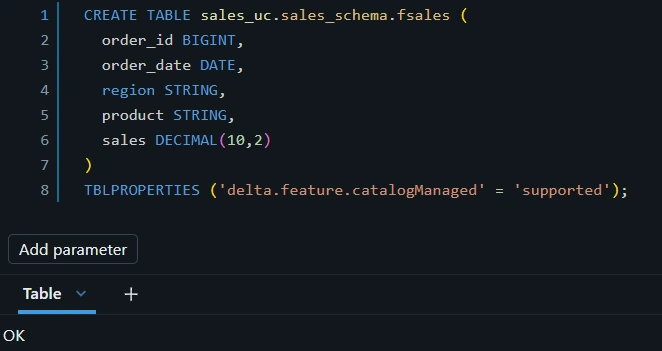
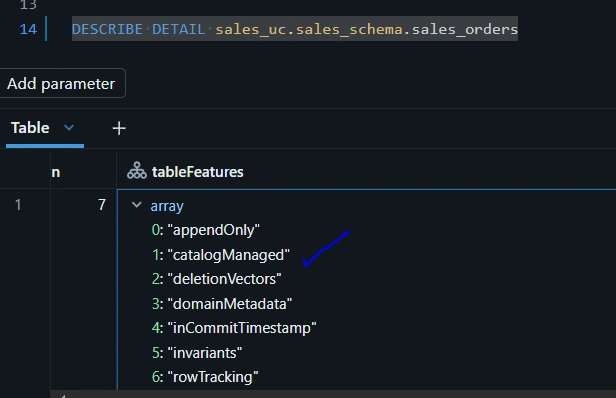
Catalog Commits represent a significant architectural advancement that shifts transaction coordination from individual Delta table transaction logs to Unity Catalog, establishing the catalog as the single source of truth for table state and transaction management. This evolution unlocks new possibilities for enterprise-grade data governance, performance optimization, and multi-table transactional workloads.
Understanding the Shift: From Table-Level to Catalog-Level Coordination
Traditionally, Delta Lake transactions operate independently at the table level. Each table maintains its own transaction log, manages conflict detection, and coordinates writes separately.
With Catalog Commits, Databricks elevates transaction management to the catalog layer. Instead of individual tables coordinating commits, Unity Catalog orchestrates transaction processing centrally. This approach creates a unified governance and transaction framework across the entire Lakehouse environment.
The result is a more scalable and enterprise-ready architecture that enables organizations to govern, secure, and manage data consistently across all workloads.
Key Benefits of Catalog Commits
1. Multi-Table ACID Transactions
One of the most exciting capabilities introduced by Catalog Commits is support for transactions spanning multiple tables.
Organizations can execute multiple SQL operations against multiple tables within a single atomic transaction boundary. This means either all changes succeed together or all changes are rolled back together.
For data engineers building complex ETL pipelines, financial systems, or data products that require transactional consistency across datasets, this capability represents a major leap forward in Lakehouse reliability.
2. Stronger Governance Through Unity Catalog
Catalog Commits reinforce Unity Catalog as the central governance layer for the Databricks Lakehouse Platform.
Because reads and writes are coordinated through Unity Catalog, users and compute engines always interact with the latest committed state of a table. At the same time, governance policies, permissions, and security controls are consistently enforced across workloads.
This creates a more trusted and governed data ecosystem where compliance and security are built directly into transaction processing.
3. Improved Query Planning and Write Performance
Metadata operations are often a hidden source of latency in cloud-based data platforms.
With Catalog Commits enabled, Unity Catalog can directly provide table metadata to Delta clients without requiring additional cloud storage lookups. By reducing dependency on storage-layer metadata retrieval, Databricks minimizes metadata bottlenecks and accelerates both query planning and write operations.
For large-scale analytics environments, even small reductions in metadata latency can translate into meaningful performance improvements.
4. Enhanced Data Integrity Through Enforceable Constraints
Data quality remains one of the most critical challenges in modern data engineering.

Join the conversation! Your thoughts help the community grow.