

Introduction
Before reading this article, I highly recommend reading the following previous parts of the series:
Topic Covered
- IoT applications
Now that we understand the Internet of Things and its features, let’s see how the IoT applies to our daily lives.
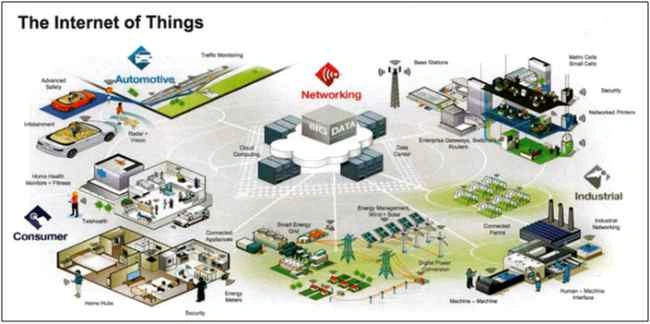
Figure: IoT in every aspect of our lives
- Home security and Access control
- Lighting control
- Home health care
- Fire detection including leak detection
- Energy efficiency
- Solar panel monitoring and control
- Temperature monitoring and HVAC control
- Automated meter reading
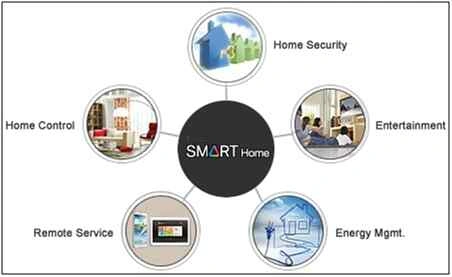
Figure: Smart Home – IoT Application
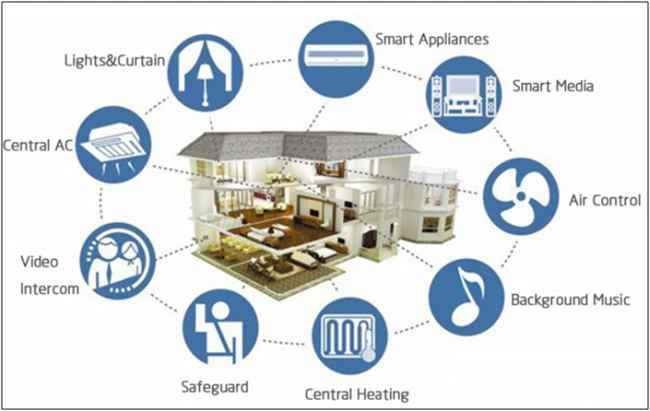
Figure: Use of IoT in every aspect of Smart Home
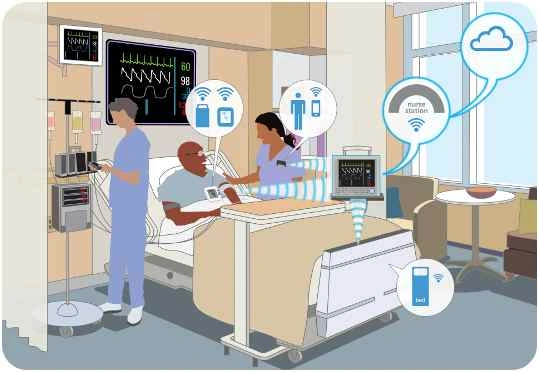
Figure: IoT in Clinical Care
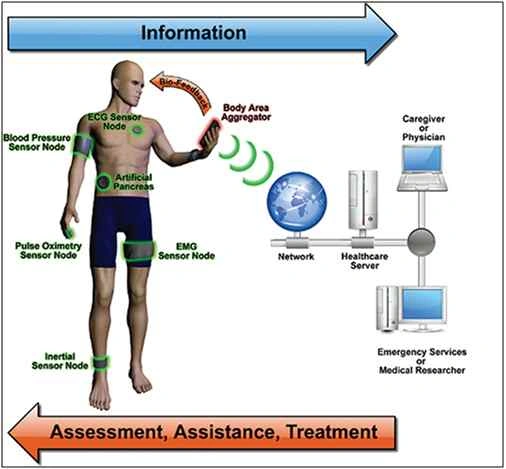
Figure: Sensors connected on a patient for Remote Health Monitoring
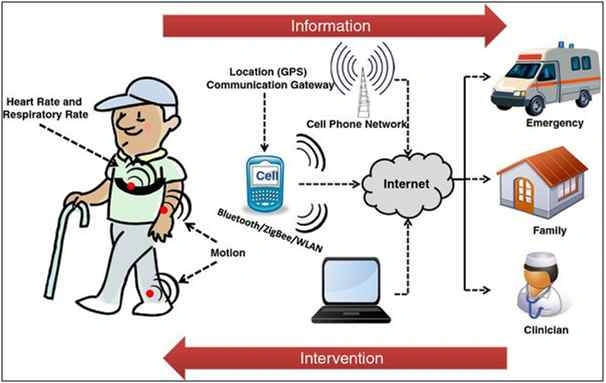
Figure: IoT in Remote Health Monitoring
- Smart grid: “A smart grid is a modernized electrical grid that uses analog or digital information and communications technology to gather and act on information, such as information about the behaviors of suppliers and consumers, in an automated fashion to improve the efficiency, reliability, economics, and sustainability of the production and distribution of electricity.” – Wikipedia.
- Smart meter: “A smart meter is usually an electronic device that records consumption of electric energy in intervals of an hour or less and communicates that information at least daily back to the utility for monitoring and billing. Smart meters enable two-way communication between the meter and the central system. Unlike home energy monitors, smart meters can gather data for remote reporting.” – Wikipedia.
With Smart Energy Metering, not only do technicians not need to come and physically read your meter, you have access personally to your energy usage so you can see what impact your consumption patterns have on your wallet and on the environment.
Reasons for the smart grid:
- Stopping power threat.
- Higher quality/reliability of power, fewer blackouts.
- Efficient energy utilization.
- A smart grid is required for renewable power.
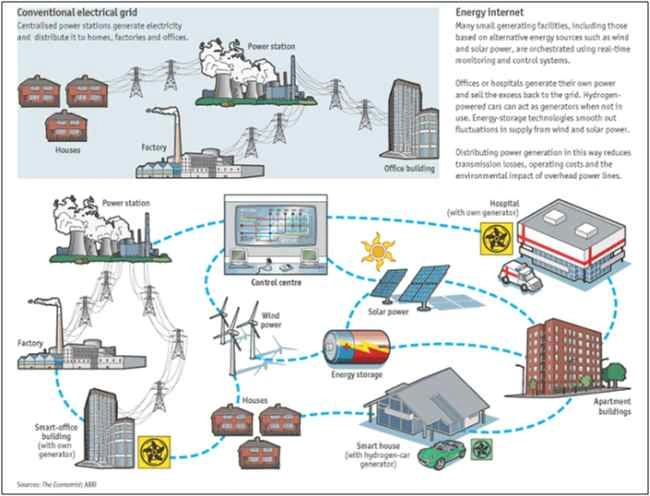
Figure: From conventional grid to Smart Grid
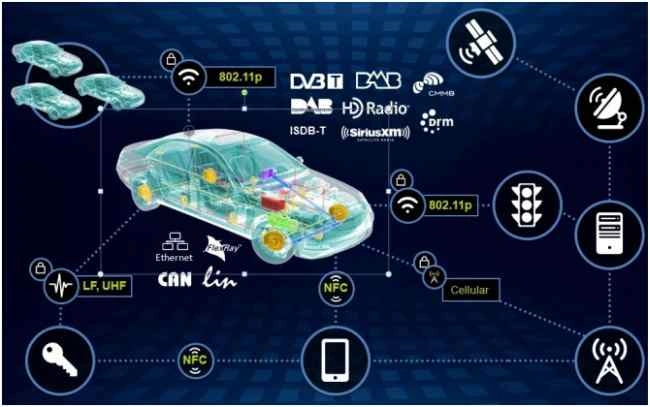
Figure: Connected Car
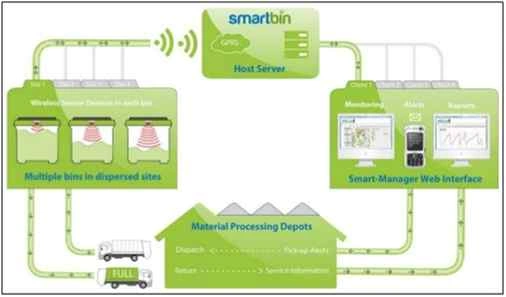
Figure: Smart Waste Management
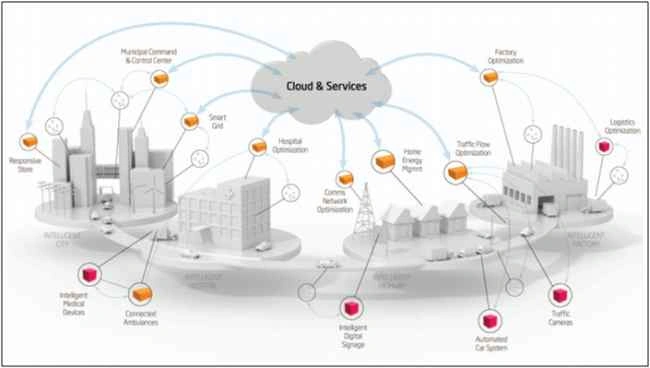
Figure: Smart City with IoT
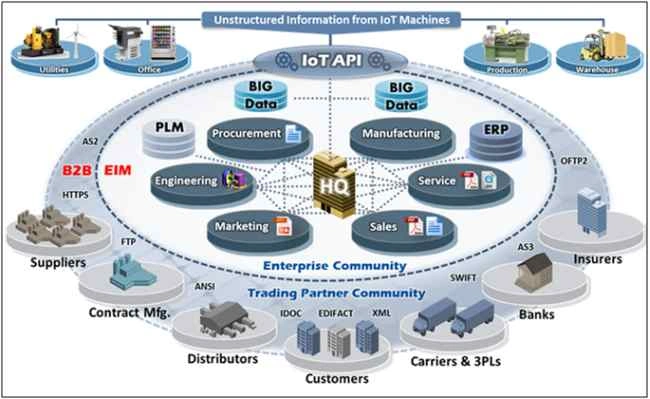
Figure: IoT in Business
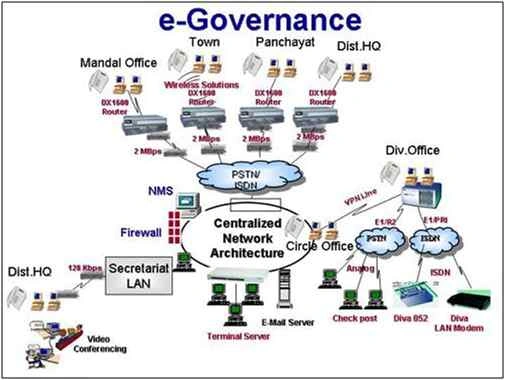
Figure: IoT and Government
- Crop monitoring: Sensors can be used to monitor crops and the health of plants using the data collected. Sensors can also be used for the early monitoring of pests and disease.
- Food safety: The entire supply chain, the Farm, logistics and retails, are all becoming connected. Farm products can be connected with RFID tags, increasing customer confidence.
- Climate monitoring: Sensors can be used to monitor temperature, humidity, light intensity, and soil moisture. These data can be sent to the central system to trigger alerts and automate water, air and crop control.
- Logistics monitoring: Location-based sensors can be used to track vegetables and other Farm products during transport and storage. This enhances scheduling and automates the supply chain.
- Livestock farming monitoring: The monitoring of Farm animals can be monitored via sensors to detect potential signs of disease. The data can be analyzed from the central system and relevant information can be sent to the farmers.
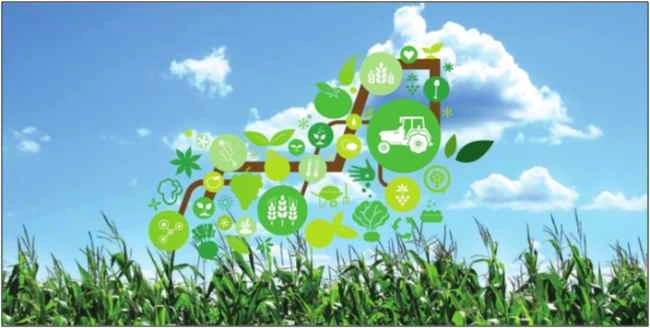 Figure: IoT in Agriculture
And the list of IoT applications continues.
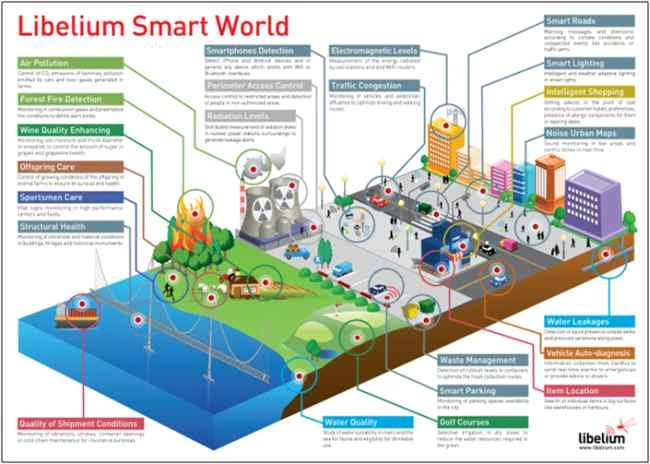
Figure: Numerous IoT Applications
P.S.: This article is also published on my blog.
SubashPosted Jul 27, 2016, 5:46 AM
Great
Humayun Kabir MamunPosted Oct 2, 2015, 12:55 AM
Nice...
Vaikesh K PPosted Aug 25, 2015, 2:26 AM
Great work
Ankit BansalPosted Aug 24, 2015, 5:35 AM
nice...
Sumit JoshiPosted Aug 24, 2015, 2:26 AM
Thanks for sharing.
Rajeesh MenothPosted Aug 24, 2015, 12:43 AM
Good Explanation..
Karthikeyan KPosted Aug 23, 2015, 11:21 PM
Good one...Thanks for share
Mohammed IbrahimPosted Aug 23, 2015, 10:53 PM
nice information
Sam HobbsPosted Aug 23, 2015, 3:19 PM
The actual definition of what a Smart Grid and a Smart Meter is is very controversial. I think that people have a tendency to define what things are in terms of how they are used. It is like saying a car is something used to go places such as work and school. By that definition, a motorcycle and even a bicycle is a car. I think that many people that contribute to the Wikipedia have difficulty understanding how to definitively define things.
RakeshPosted Aug 23, 2015, 2:35 PM
really good explain