

Microsoft has been continuously enhancing Power Apps and the overall Power Platform experience for both makers and administrators. One of the latest improvements that went generally available (GA) on August 15, 2025, is the ability to manage access to public system views using security roles.
This update is a game-changer, especially for organizations that rely on model-driven apps in Dataverse and want more control over what users see on list views.
What Changed?
Until now, public system views were accessible to anyone with access to the table. This sometimes created confusion and clutter because users would see multiple opinions that were not relevant to their role.
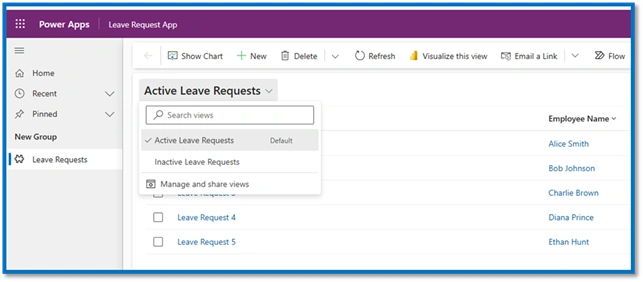
Click Manage and Share views.
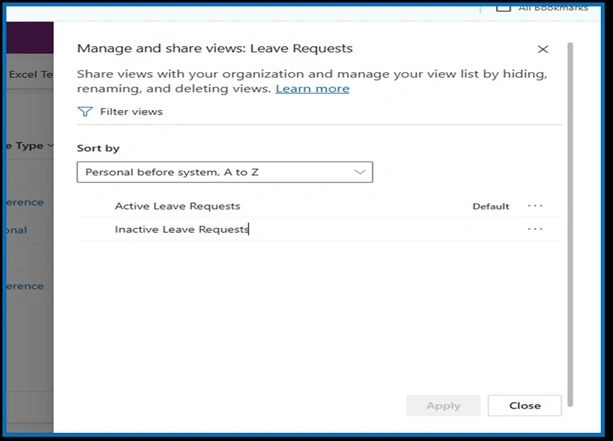
With this new capability, admins can configure system views to be visible only to specific security roles. For example:
A Sales Manager can have access to the “Opportunities – All Records” view.
A Support Agent might only see the “Active Cases” view.
Other users will only see the views that are actually useful to their day-to-day tasks.
This ensures a cleaner user experience and helps improve productivity by reducing noise.
Why Does This Matter?
From an admin perspective
You now get fine-grained control over how data is presented.
Reduces training overhead by allowing users to interact only with relevant views.
Ensures better data governance in large enterprise environments.
From an end-user perspective
The UI becomes less cluttered.
More straightforward navigation, faster data access.
Helps avoid mistakes when selecting filters or views.
Do I Need to Take Any Action?
No immediate action is required.
This is an awareness update. Your existing system views will continue to work as usual. However, if you want to take advantage of this feature, you can start updating your system view configurations based on security roles.
How to Configure Access to System Views?
If you’re an admin or maker, here’s a quick guide.
Go to the Power Apps Maker portal.
Open your model-driven app and navigate to the desired table.
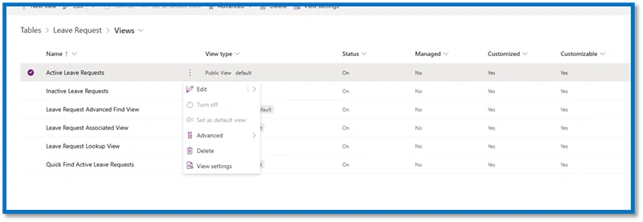
Under Views, select the system view you want to configure.
In the Click three dots vertical properties pane, you’ll now see an option to View Settings.
Save and publish changes.
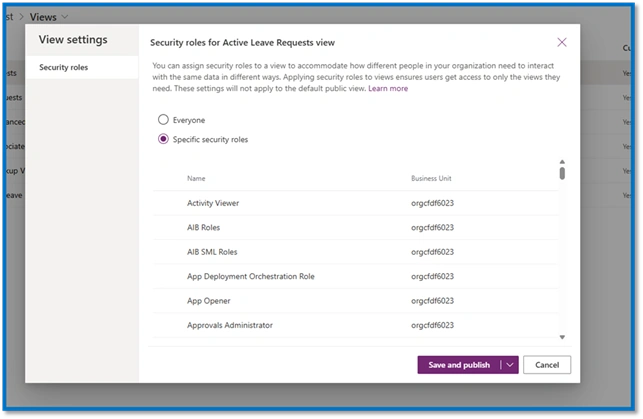
That’s it! Now, only users with the assigned roles will see that view.
Learn More
Microsoft has published detailed documentation that walks through this capability. Check it out here:
Manage access to public system views
Final Thoughts
This is another step in Microsoft’s journey to make Power Apps and Dataverse more enterprise-ready. By combining security roles with view access, organizations can ensure that users get a tailored experience without unnecessary distractions.
If you are a Power Platform admin or solution architect, I’d highly recommend exploring this feature and updating your app governance strategy. Minor improvements like these can create a significant impact on user adoption and satisfaction.
Join the conversation! Your thoughts help the community grow.