

This is a series of articles related to Source Control or Version Control issues, from stand-alone apps, such as MS SourceSafe, to Server app, such as MS TFS (Team Foundation Server), to web services, such as GitHub, AWS, and MS Azure DevOps. We tried to categorize this series of articles as Source Control or Version Control. Still, this site does not have these categories, so we make the articles in Category as DevOps, as explained in the wiki.
DevOps is a set of practices that combines software development (Dev) and IT operations (Ops). It aims to shorten the systems development life cycle and provide continuous delivery with high software quality. DevOps is complementary to Agile software development; several DevOps aspects came from the Agile methodology.
The structure of this article series will cover,
- Stand Alone App:
- MS Source Safe
- Server App
- MS TFS (Team Foundation Server)
- Online (Cloud) Centralized Service:
- MS Azure: DevOps
- Boards
- Repos
- Pipelines
- Test Plans
- Artifacts
- GitHub
- AWS GitHub Enterprise
- MS Azure: DevOps
- Distributed App:
- Git
Because these are huge topics, I will not go step by step. Instead, I write any section when I feel I am ready for it, but each section will be relatively independent to become a reading unit.
- Source Control (1), MS Source Safe --- Stand Alone App
- Source Control (2), MS TFS --- Centralized Server App
- Source Control (2-1), TFS --- Comparison
- Source Control (2-2), TFS --- Merge
- Source Control (2-2), TFS --- Shelving
- Source Control (3), MS Azure DevOps (GitHub, Jira) --- Centralized Service
- Source Control (4), Git --- Distributed App
- Source Control (4-1), Git --- Configuration
- Source Control (4-2), Git --- Configured to Connect to DevOps and GitHub
- Source Control (4-3), Git --- Cherry Pick in Visual Studio
- Source Control (4-4), Git --- Recover Git Tree: Reflog/Reset
- Source Control (4-5), Git --- Recover Deleted Branch
- Source Control (4-6), Git --- Revert
- Source Control (4-7), Git --- Get Specific Version or Commit
- Source Control (4-8), Git --- Get Specific Version or Commit in practice
- Source Control (4-9), Git --- Merge: Fetch, Pull, Push and Sync
- Source Control (5), GitHub access (setup connection)
- Source Control (6), DevOps access (setup connection)
- Source Control (7), GitLab access (setup connection and Clone to Local) --- this article
- Source Control (8), Git, Azure Repos, and Visual Studio (Interaction)
- Source Control (9), Push into Git Hub and DevOps
- Source Control (10), Git Hub, DevOps Publish
Introduction
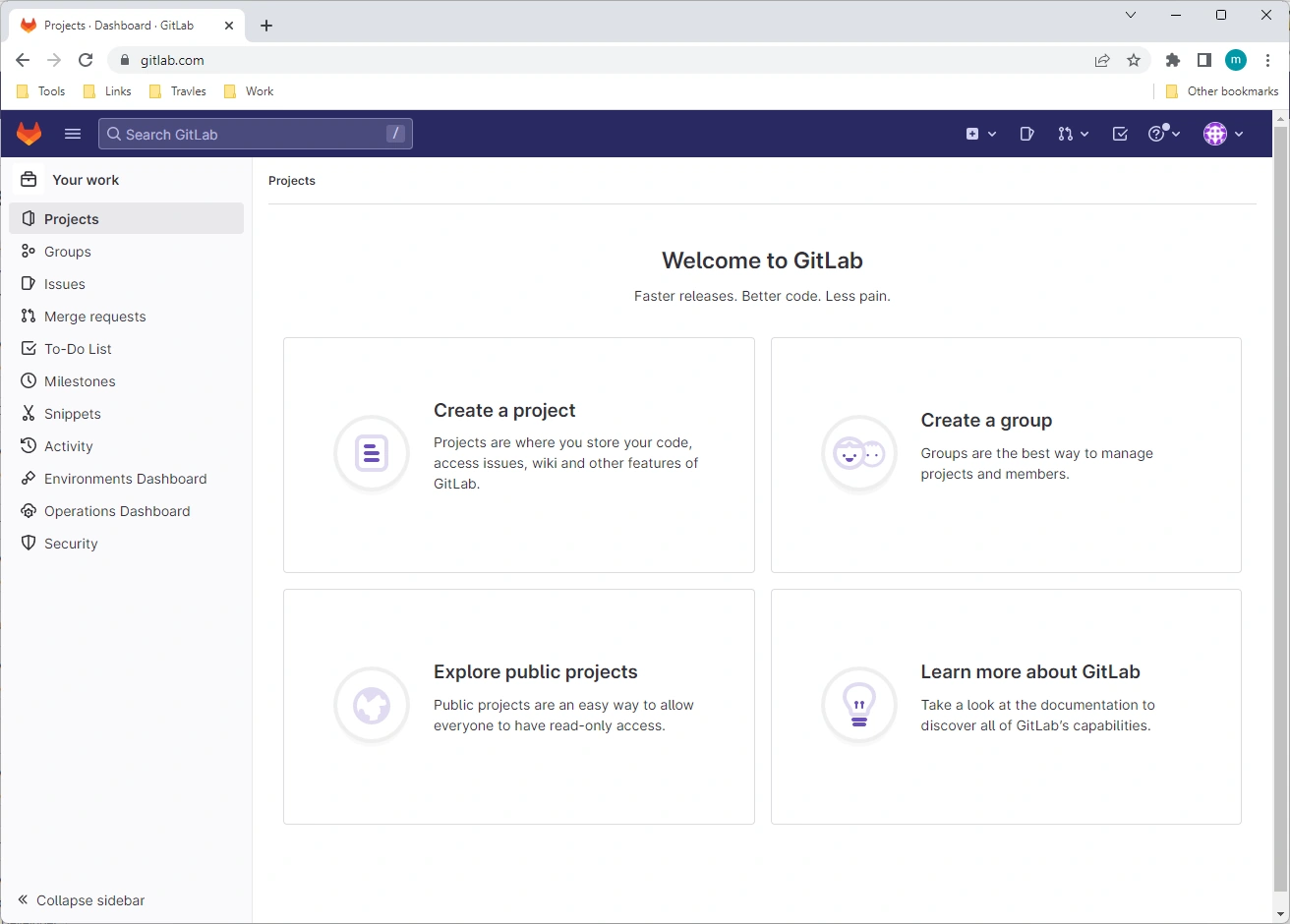
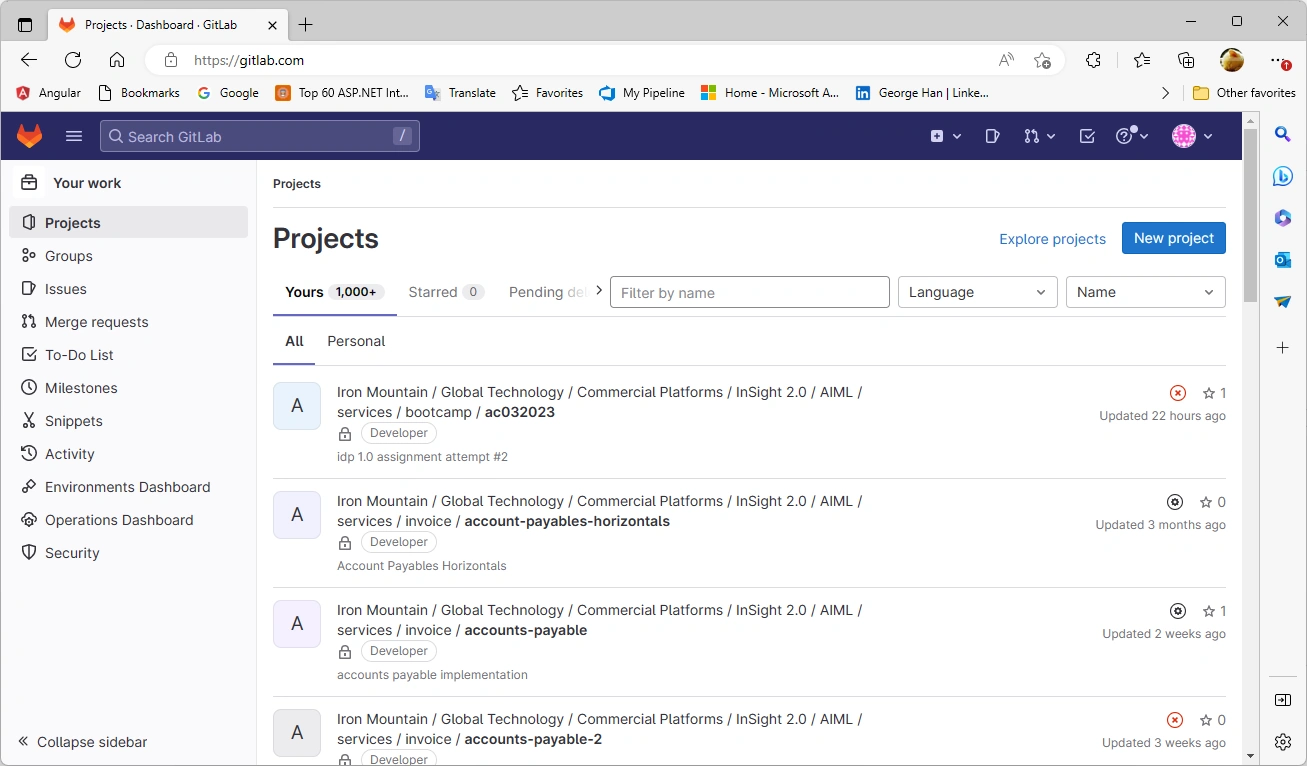
Although the GitHub or DevOps, or GitLab processes are quite complex, I believe the most important thing is setting up the environment, i.e., letting the developer access the working environment. Otherwise, we can do nothing.
In this article, we only discuss access to GitLab.
The structure of the discussion will be
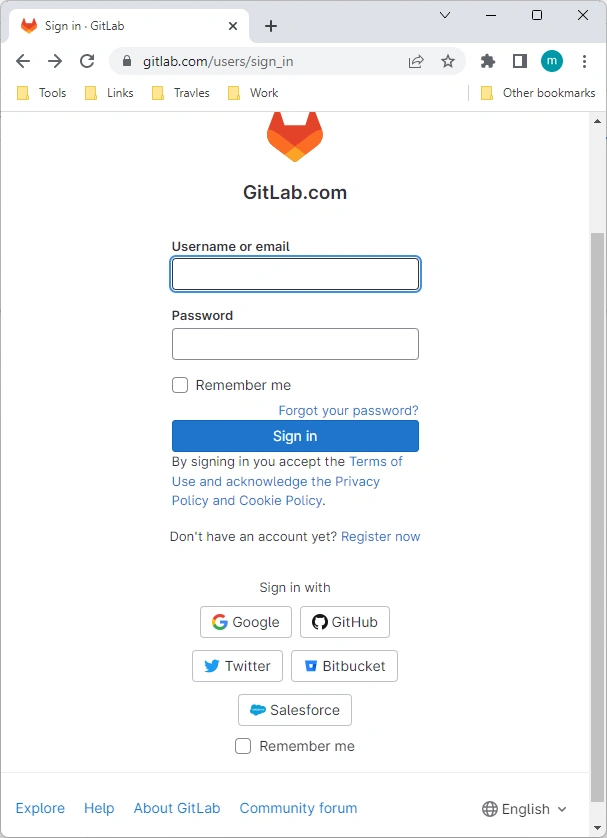
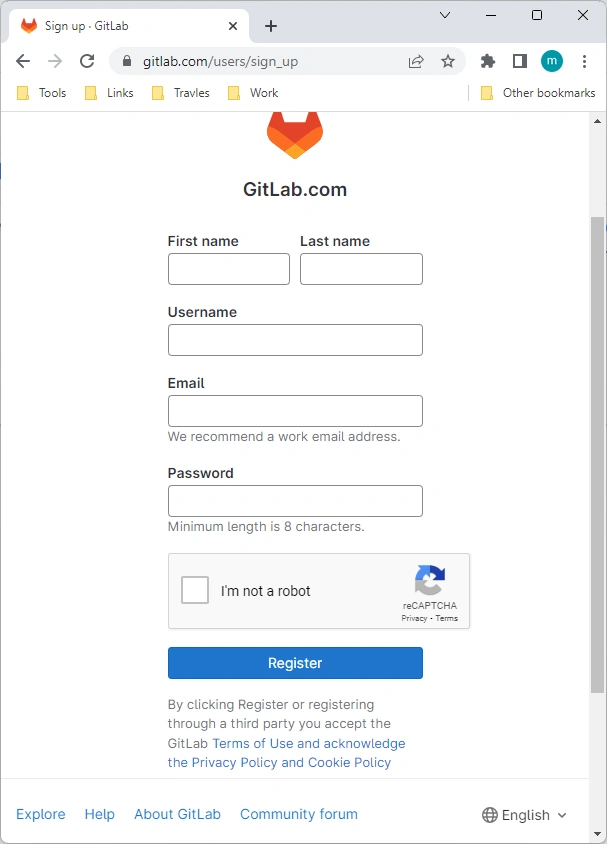
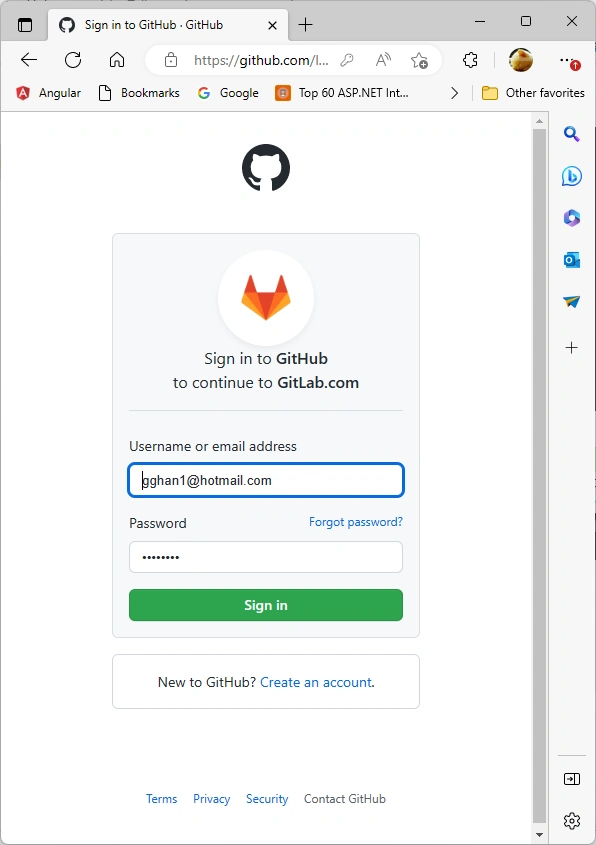
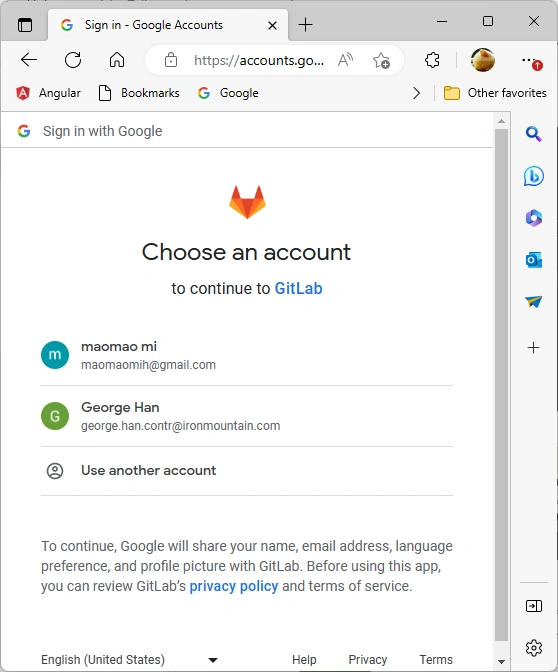
- A: Register GitLab
- Register a new account
- Login by GitHub account
- Login by Google account
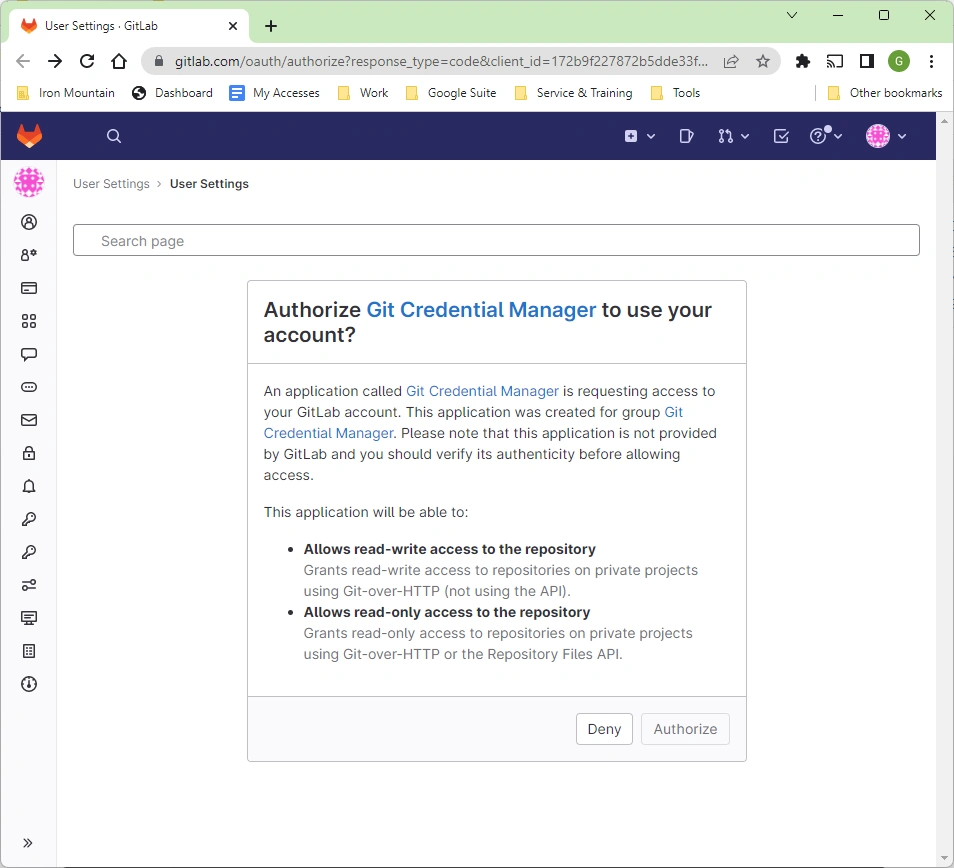
- B: GitLab Client Connection Setup
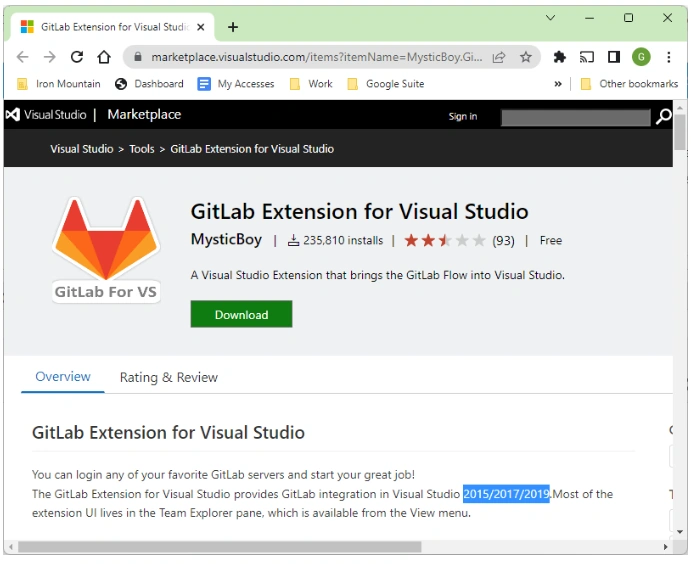
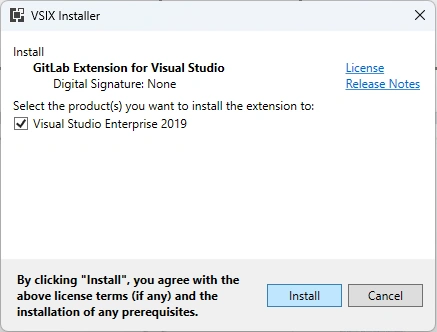
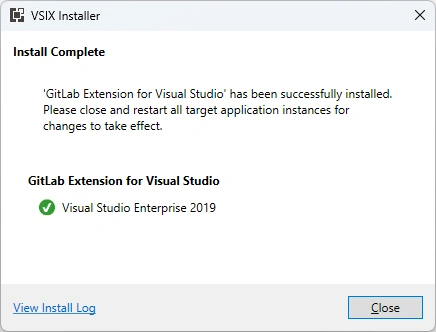
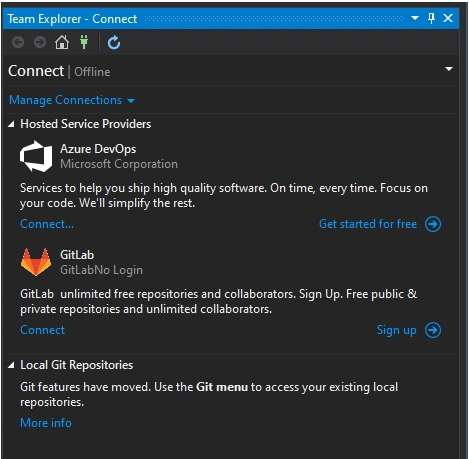
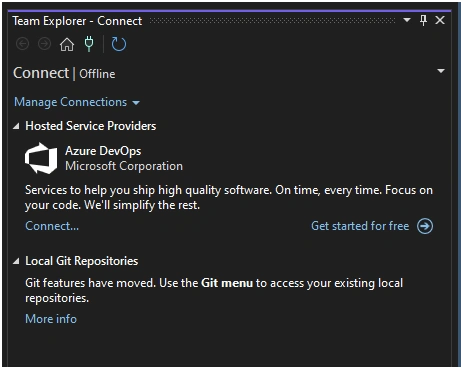
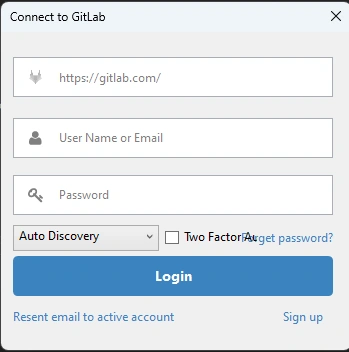
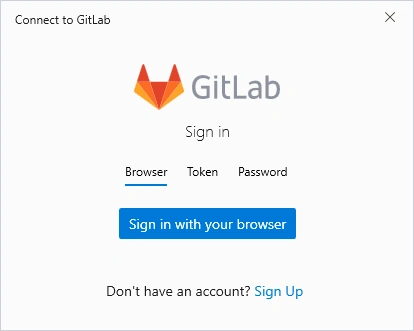
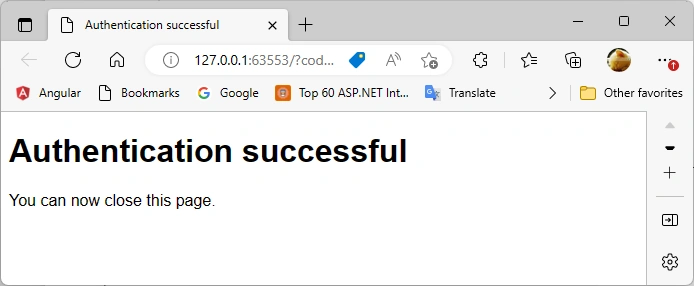
- GitLab Extension for Visual Studio
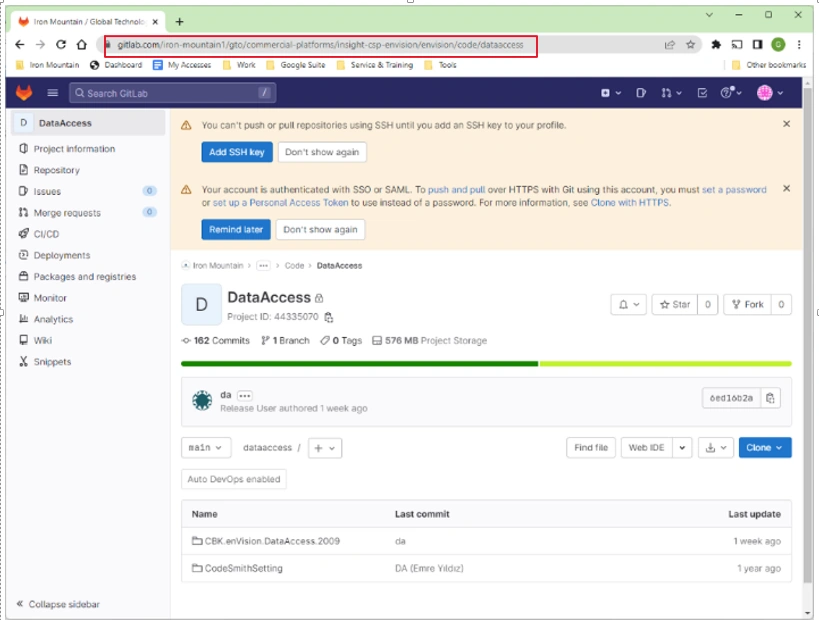
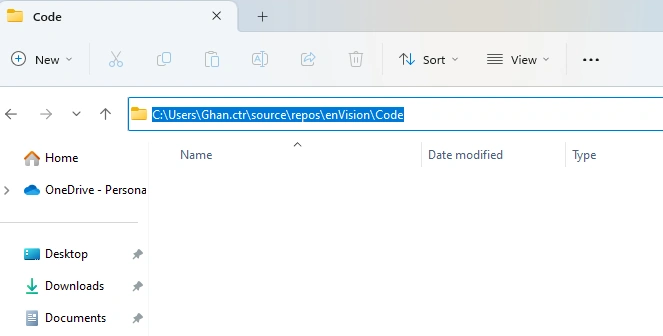
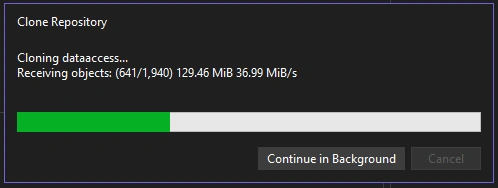
- C: Clone Repos from Server to Local
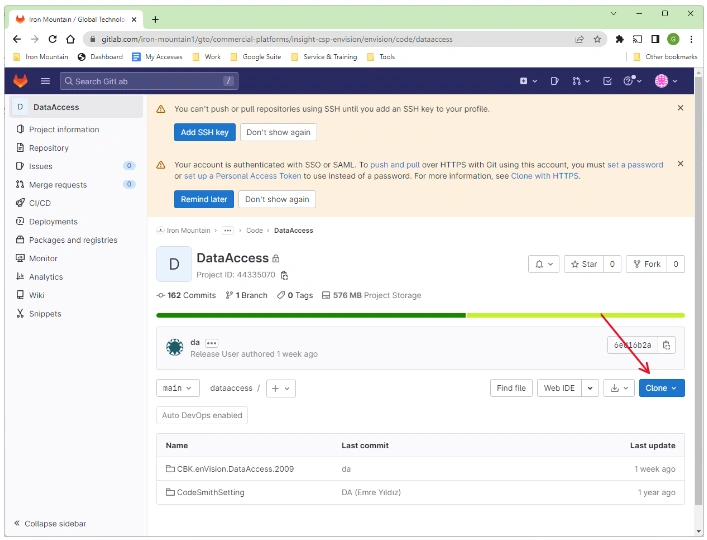
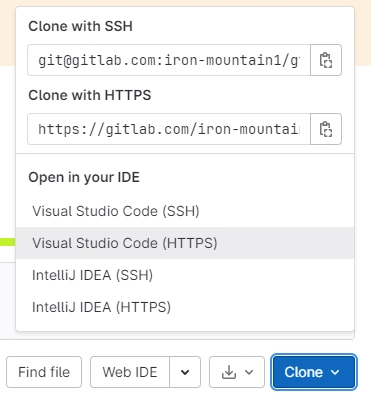
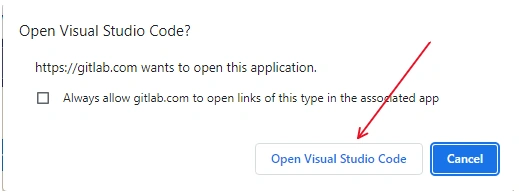
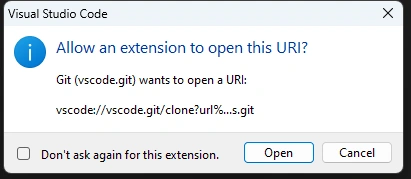
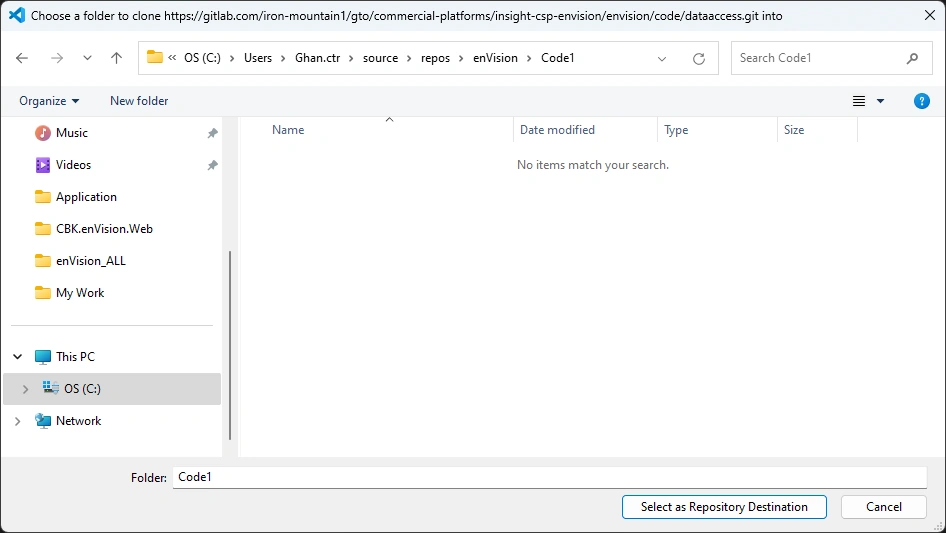
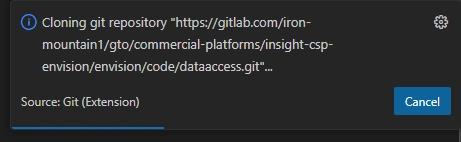
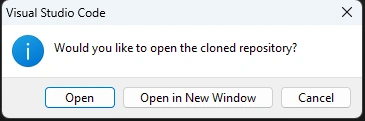
- From GitLab Server by VS Code
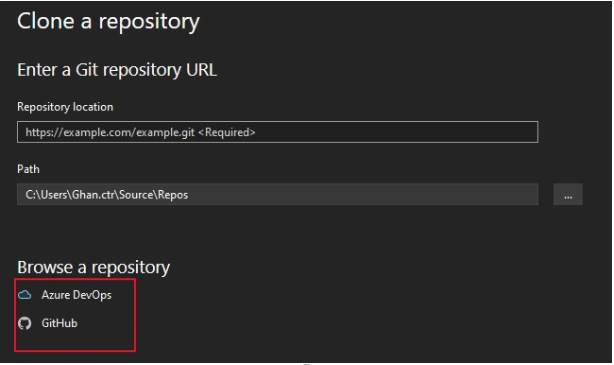
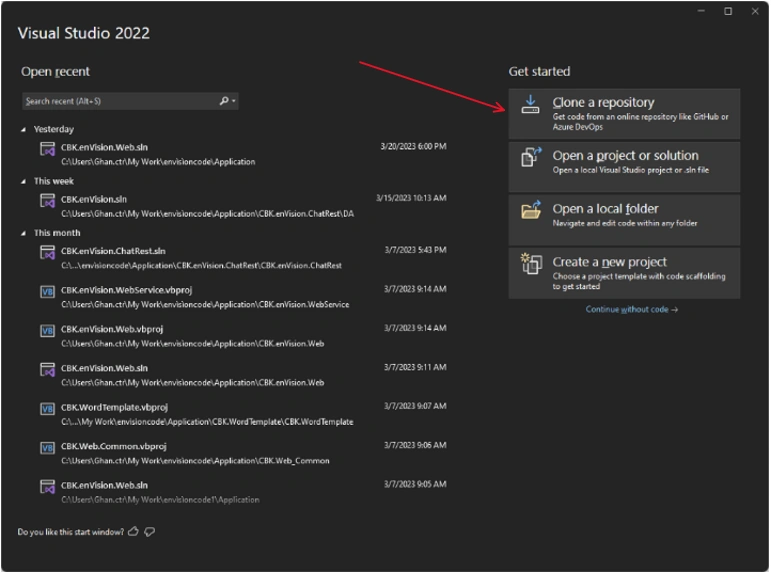
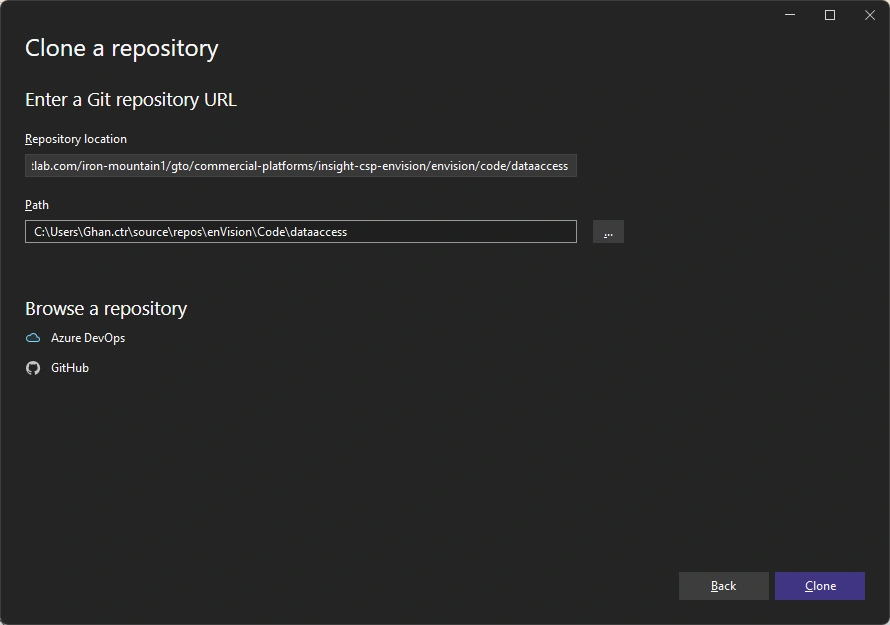
- From Visual Studio
- Summary
Join the conversation! Your thoughts help the community grow.