I recently worked on a project that required Auth0 as the identity management solution. Since Auth0 was new to me, I thought of sharing my experience for others exploring it.
When it comes to implementing authentication and authorization in web or mobile applications, building your own solution may sound appealing at first. But once you factor in the security aspects-multi-factor authentication (MFA), audit logs, access policies, risk detection and reporting, session management, and monitoring - the "quick two-week build" can easily stretch into a three-month project. That's where commercial off-the-shelf solutions like AWS Cognito, Azure Entra ID (B2C), Ping, Authy, or Auth0 can save significant development and testing effort.
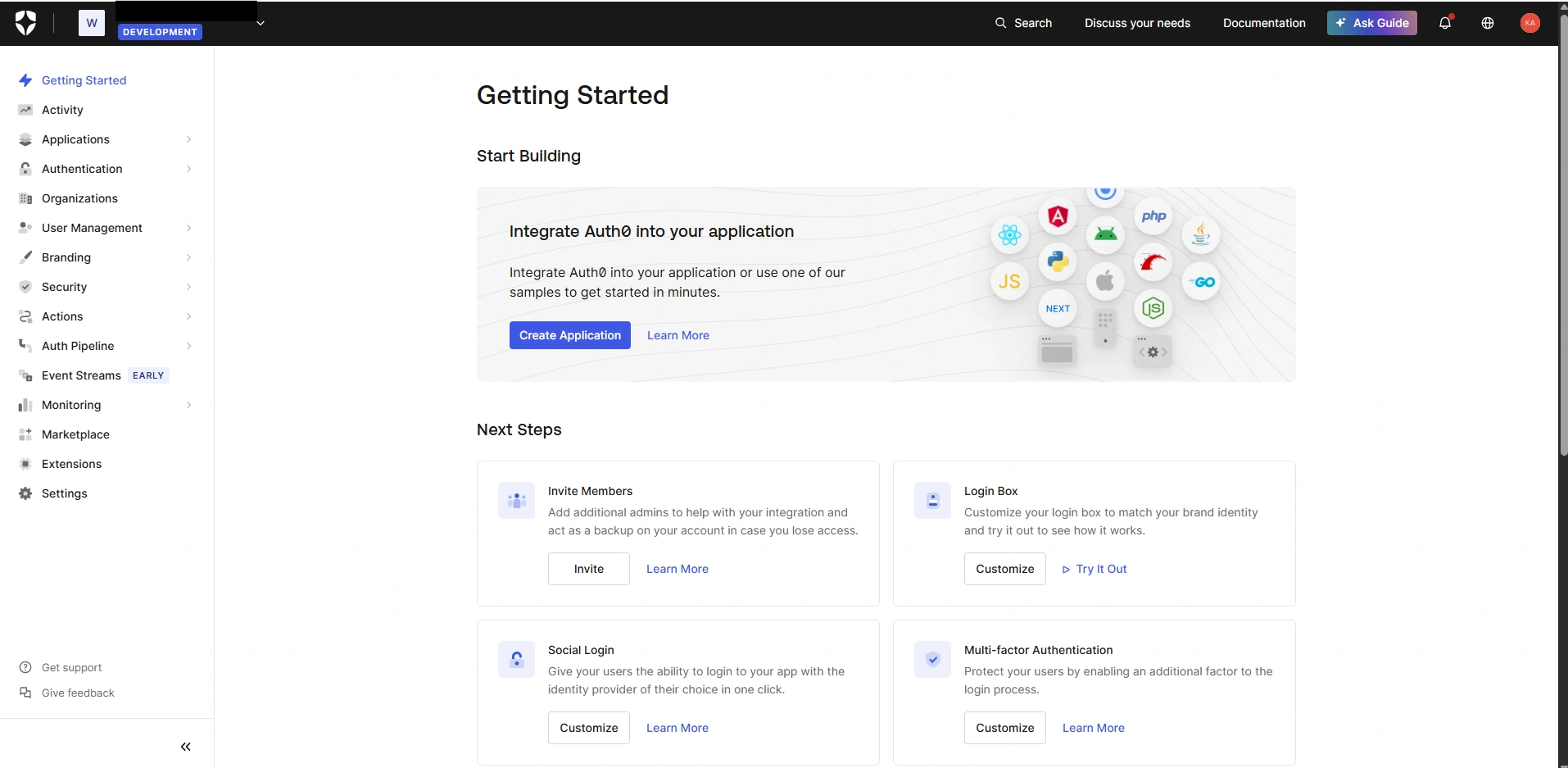
Auth0 supports the typical OAuth app registration flow, letting you create client credentials for single-page applications or traditional web apps built with frameworks like React, Next.js, or Angular. It also offers Machine-to-Machine (M2M) registration, which is useful for non-interactive applications such as command-line tools, daemons, IoT devices, or backend services that need API access. A key consideration here is pricing : Auth0 applies rate limits on M2M registrations depending on the plan, and these limits aren’t always obvious from the standard pricing page - https://auth0.com/docs/troubleshoot/customer-support/operational-policies/rate-limit-policy
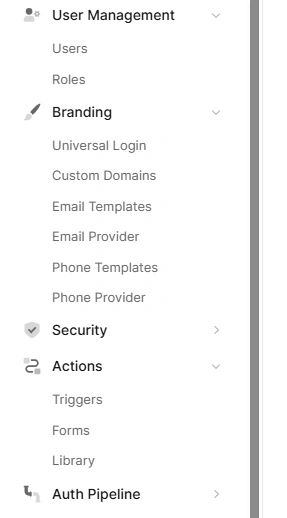
Another important feature is the Universal Login, a hosted authentication service that works across all your applications. It provides basic branding options and login experience customization. Auth0 also highlights its ability to extend this login experience through triggers, forms, and the Action Library, enabling teams to tailor workflows beyond the default setup.
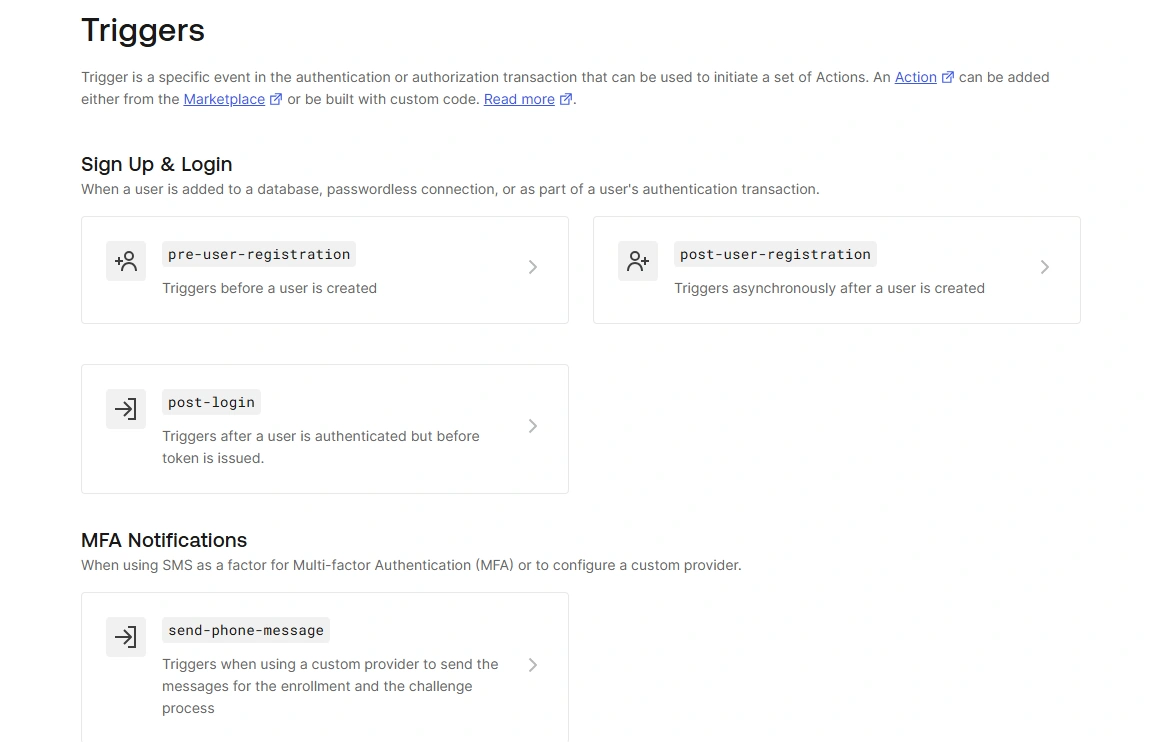
What is Trigger ?
Trigger gives you access to sepectic events in the authentication journey. It lets you add actions that you can add using actions from marketplace or custom code.
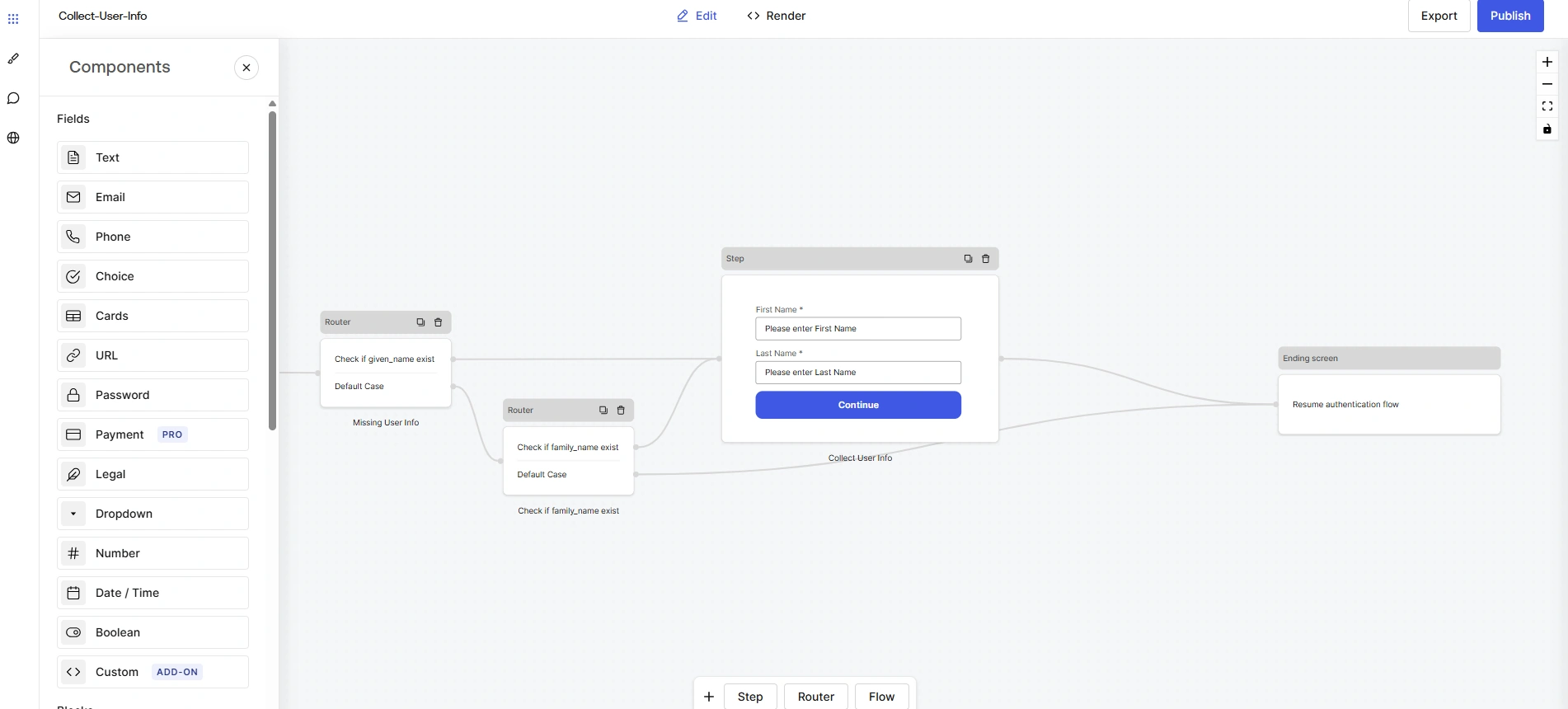
What is a form?
In Auth0 forms are used to extend your identity flows with additional steps and busines logic. Let us say we want to collect additional details from the user during registration flow or post login flow. we can use the visual editor and drag and drop as shown below to collect details.
Limitations and Challenges
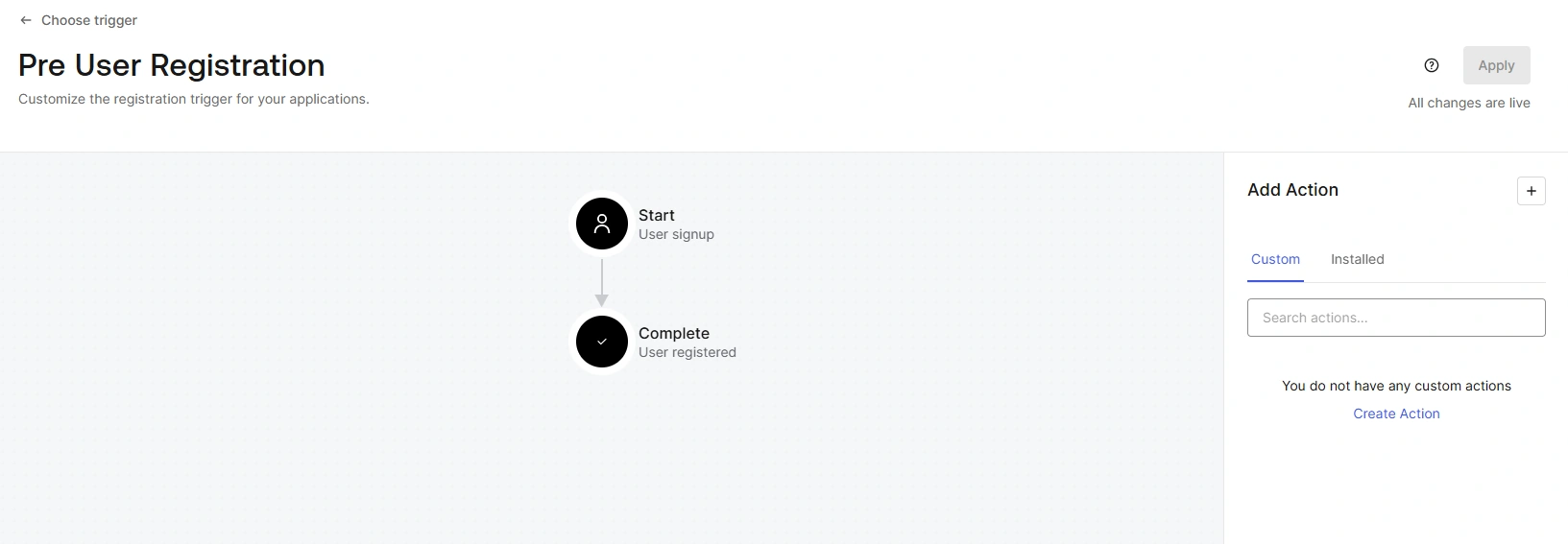
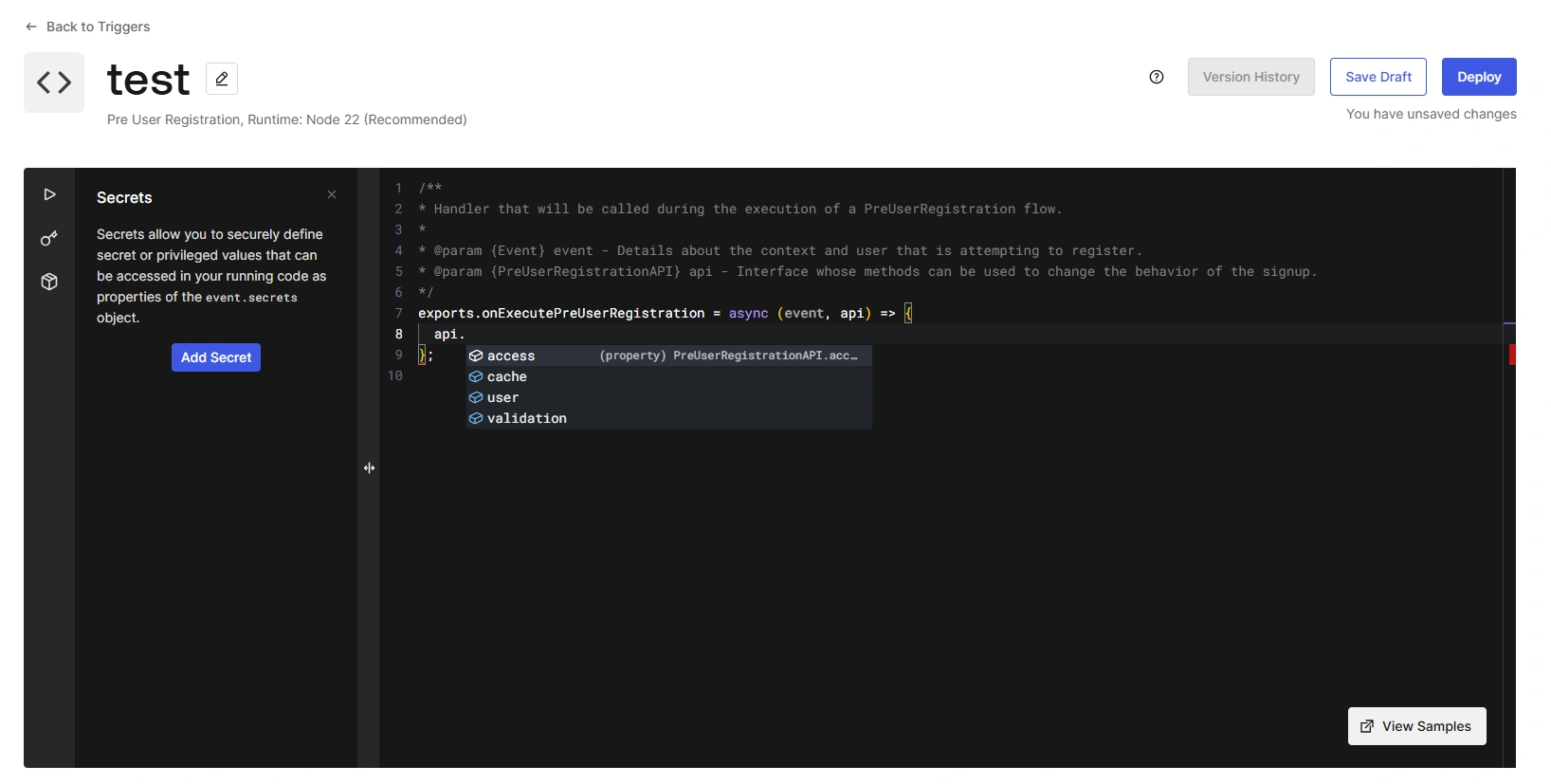
I tried to add custom form as part of the registration flow. Created a Custom form to collect user details under the pre-user registration trigger and was hoping I can invoke a custom form that I created , when we create the actions we get access to two objects, event - which gives us the context and user details and the api which gives access to change the behavior of the signup flow. But these options are limited , I was not able to render the form for registration events.
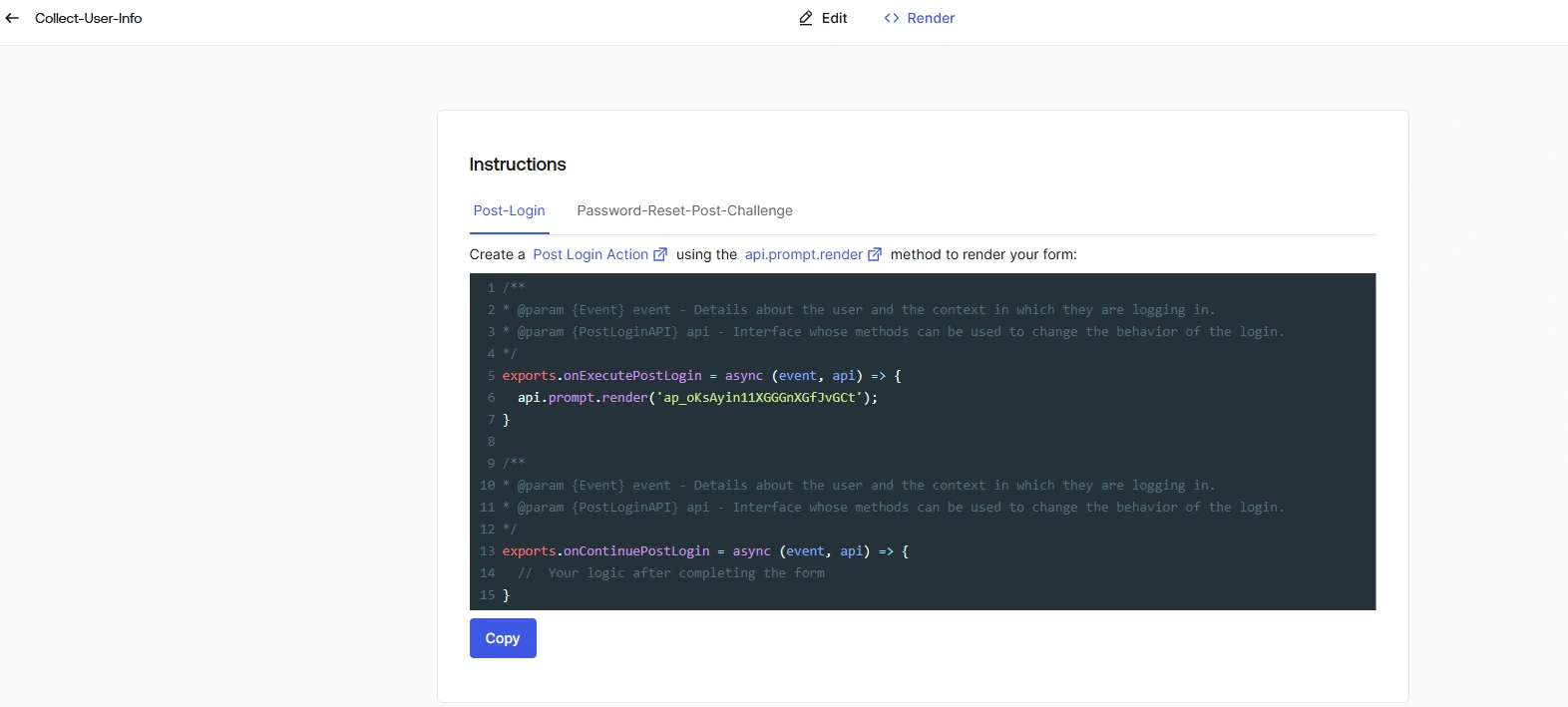
To render a form we need to use the api object and use "prompt.render" but this option works only for post-login and password-reset-post challenges.
This forces you to create the user first and collect these details on login event and not during registration event.
If anyone has tried other ways to collect details during registration events please share your comments.
Alternative to Universal Login
The alternative to uding universal login is to use the Embedded login, Auth0 has provided a auth-lock package which they claim is not recommended but still if you want to have a custom login expereince instead us using auth0's login screens they have this option.
Challenge with auth0-lock and Angular 19+ apps:
I tried using the auth0-lock package with angular 19 web app and after you install the auth0-lock and @types/auth0-lock and initialize the the lock and use the show option.
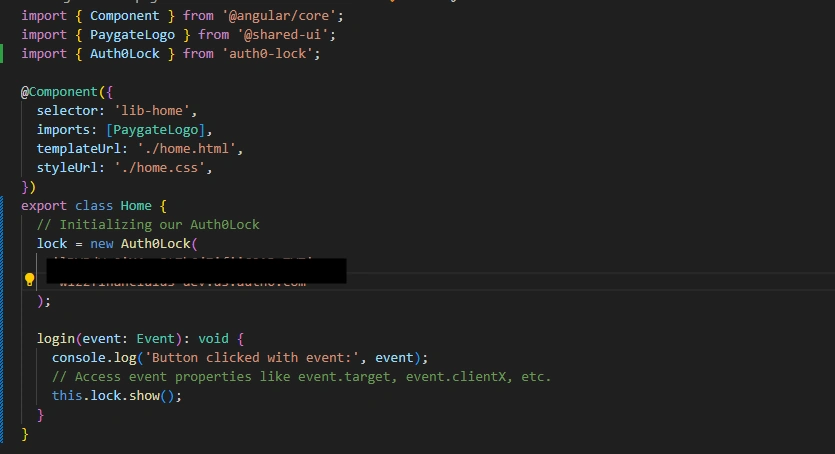
You end with this ugly error , looks like the auth0-lock was created as react component and has react dependencies too. The github repo does not provide any solution to this. https://github.com/auth0/lock
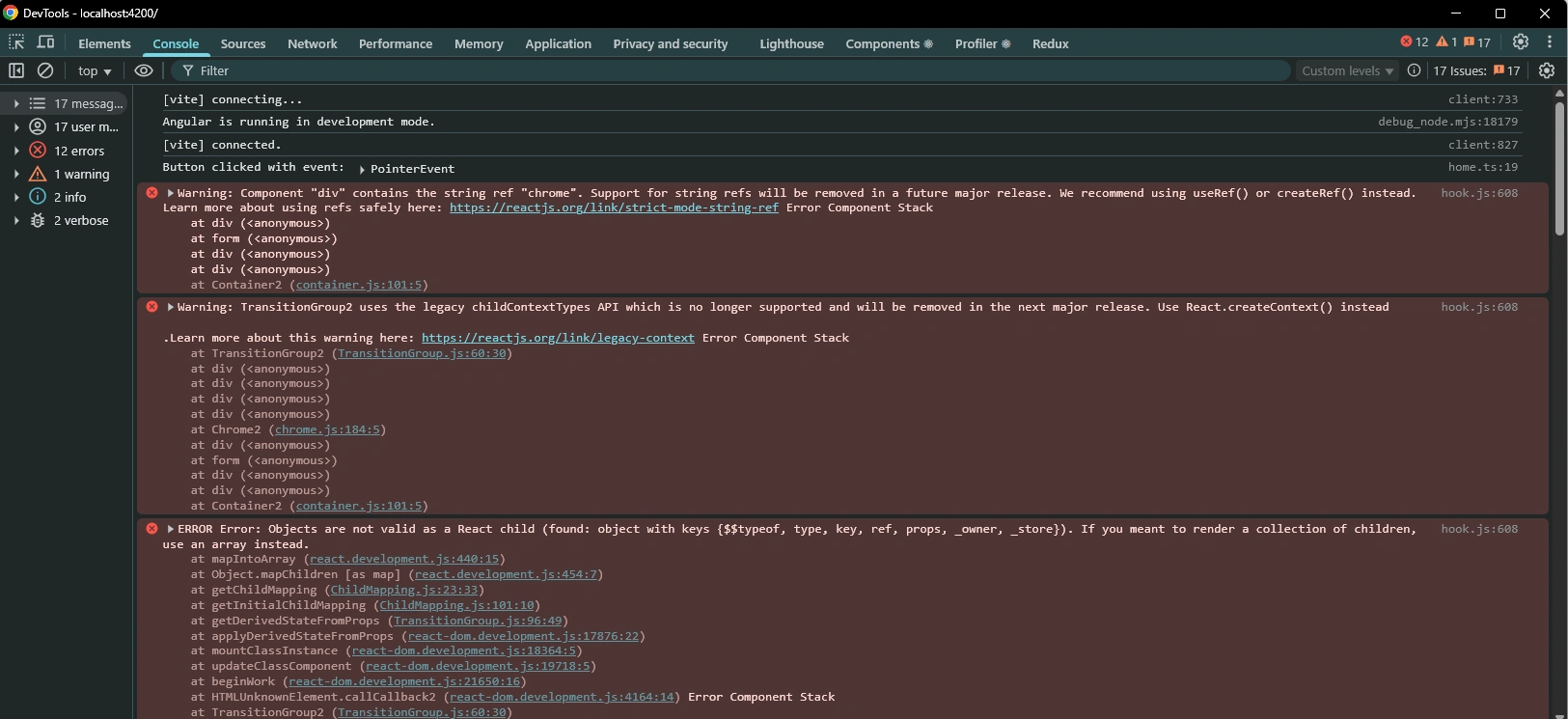
If you have found a solution please comment on the same and share your auth0 experience as well.


Join the conversation! Your thoughts help the community grow.