

- <html> <head> <script language="javascript" type="text/javascript" src="https://industowers.sharepoint.com/sites/LPMS/Style%20Library/LPMS/JS/1.8.1jquery.min.js">
- </script>
- <script language="javascript" type="text/javascript">
- var fileInput;
- $(document).ready(function()
- {
- fileInput = $("#getFile");
- SP.SOD.executeFunc('sp.js', 'SP.ClientContext', registerClick);
- });
- function registerClick()
- {
- //Register File Upload Click Event
- $("#addFileButton").click(readFile);
- }
- var arrayBuffer;
- function readFile()
- {
- //Get File Input Control and read th file name
- var element = document.getElementById("getFile");
- var file = element.files[0];
- var parts = element.value.split("\\");
- var fileName = parts[parts.length - 1];
- //Read File contents using file reader
- var reader = new FileReader();
- reader.onload = function(e) {
- uploadFile(e.target.result, fileName);
- }
- reader.onerror = function(e)
- {
- alert(e.target.error);
- }
- reader.readAsArrayBuffer(file);
- }
- var attachmentFiles, clientContext, createInfo;
- function uploadFile(arrayBuffer, fileName)
- {
- //Get Client Context and Web object.
- clientContext = new SP.ClientContext();
- var oWeb = clientContext.get_web();
- //Get list and Attachment folder where the attachment of a particular list item is stored.
- var oList = oWeb.get_lists().getByTitle('CS100');
- var attachmentFolder = oWeb.getFolderByServerRelativeUrl('/sites/LPMS/CS100/Trial');
- //Convert the file contents into base64 data
- var bytes = new Uint8Array(arrayBuffer);
- var i, length, out = '';
- for (i = 0, length = bytes.length; i < length; i += 1) {
- out += String.fromCharCode(bytes[i]);
- }
- var base64 = btoa(out);
- //Create FileCreationInformation object using the read file data
- createInfo = new SP.FileCreationInformation();
- createInfo.set_content(base64);
- createInfo.set_url(fileName);
- //Add the file to the list item
- attachmentFiles = attachmentFolder.get_files().add(createInfo);
- //Load client context and execute the batch
- clientContext.load(oList);
- clientContext.load(attachmentFiles);
- clientContext.executeQueryAsync(QuerySuccess, QueryFailure);
- }
- function QuerySuccess()
- {
- console.log("Attachment added successfuly ");
- }
- function QueryFailure(sender, args)
- {
- console.log('Request failed with error message - ' + args.get_message() + ' . Stack Trace - ' + args.get_stackTrace());
- }
- </script>
- </head>
- <body> <input id="getFile" type="file"/><br /> <input id="addFileButton" type="button" value="Upload" /> </body> <html>
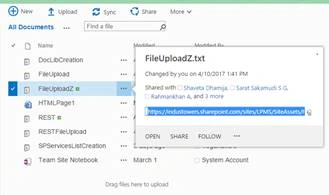

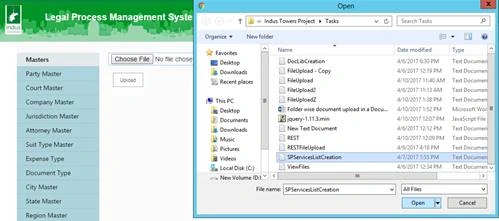
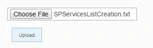
Start uploading the attachments.

Note
The above approach is successful on both, SharePoint Online and SharePoint On premise environments; as this is simple JavaScript client-side coding.
Keep changing the folder name and library name for your respective folder-wise documents whenever required.
Join the conversation! Your thoughts help the community grow.