

In this section, we will discuss Portainer which manages containers.
Introduction
- Portainer is used to manage our docker host, Kubernetes clusters, and, container
- It is a robust and lightweight tool that is used to manage the containers
- Portainer has an excellent user interface using which we have collected all things related to containers and clusters efficiently
- It is also used to monitor the performance and health of containers
- If you want more detail about Portainer then visit the official website portainer.io
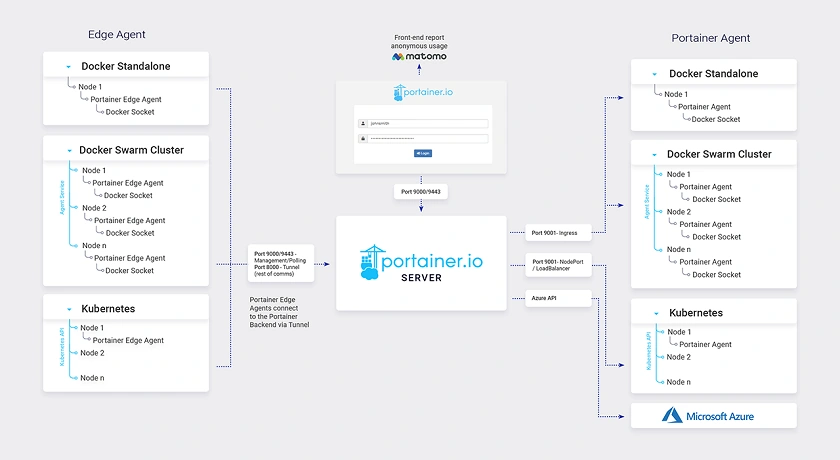
- The above diagram is from docs.portainer.io
Installation and Setup
(Note: Make sure Docker Desktop is in running mode on your local system)
Step 1
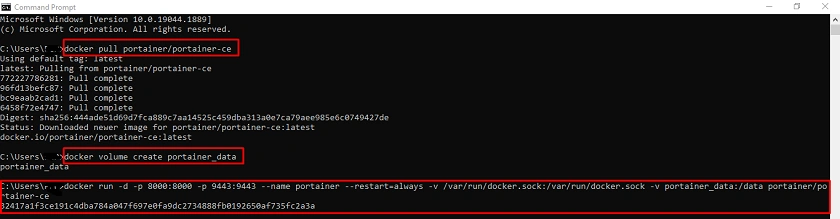
Pull the Portainer docker image as I have shown below
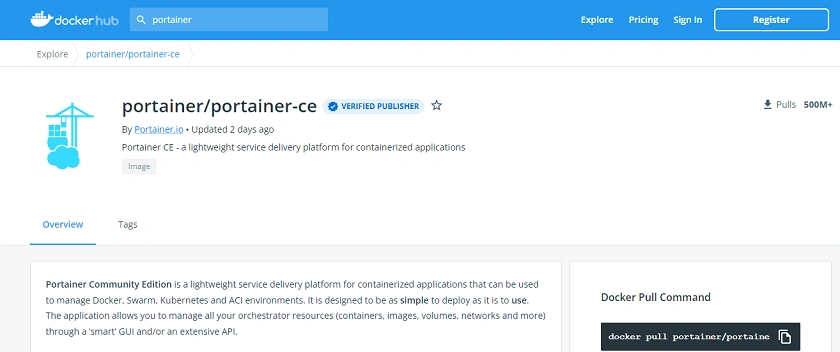
Step 2
Next, create a volume which Portainer which is used to store its data
docker volume create portainer_data
Step 3
Now, we are going to run the Portainer image which we pull after passing some configuration like port number, name of the container, volume, and image name
docker run -d -p 8000:8000 -p 9443:9443 --name portainer --restart=always -v /var/run/docker.sock:/var/run/docker.sock -v portainer_data:/data portainer/portainer-ce
Step 4
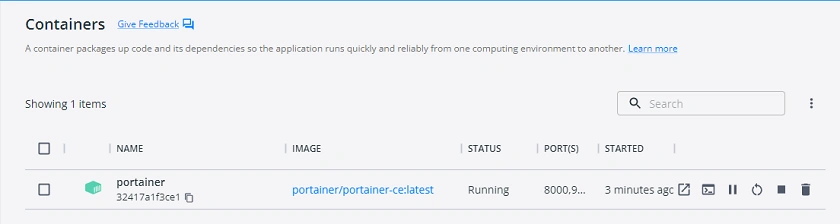
Here, in the Docker Desktop, the Portainer is running inside the container
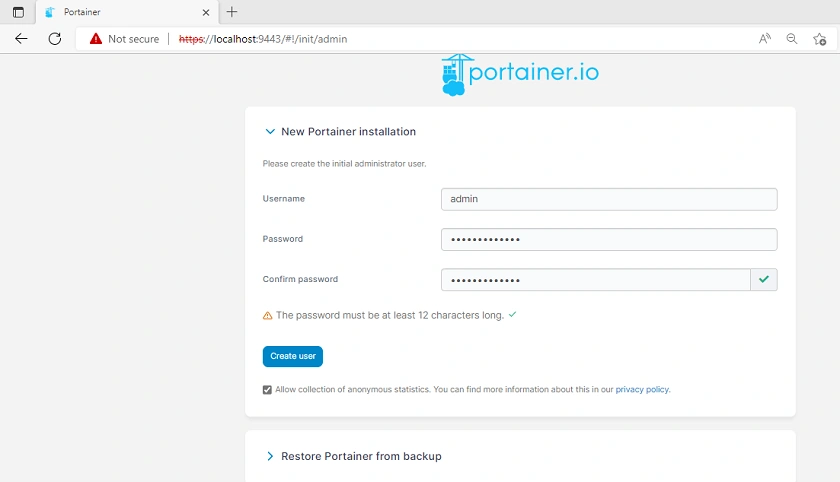
Step 5
Open the browser and open the Portainer and set the password
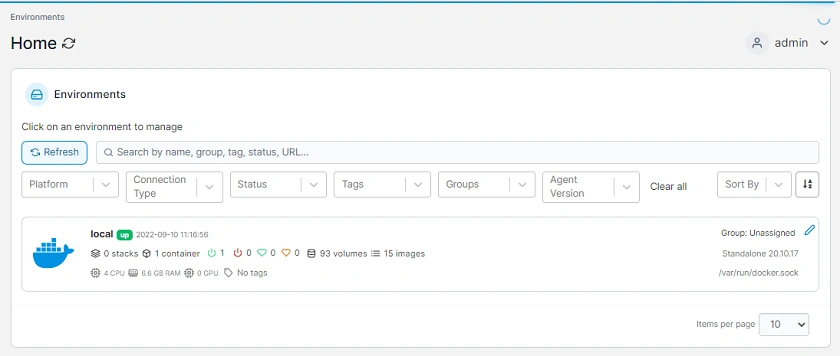
Step 6
Here we see the local environment
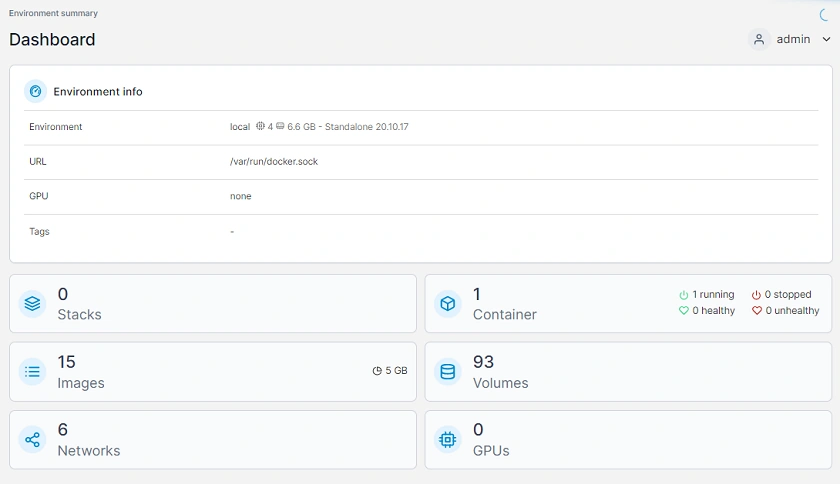
Step 7
Also, the list of containers, images, volumes, and many more
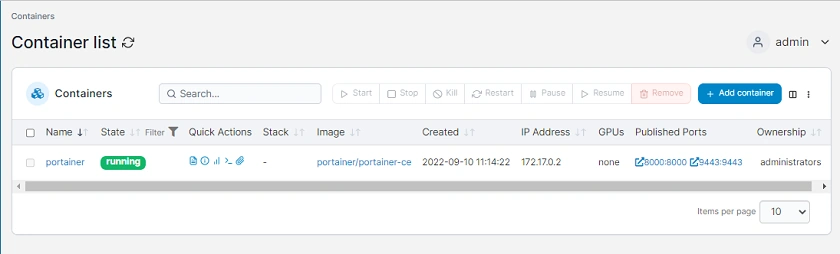
Step 8
This is our Portainer image that runs inside the container, IP Address, Port, and all things related to the container
Conclusion
In this section, we discussed Portainer, the setup, and configuration of Portainer on our local system, and a few related things after navigating Portainer Dashboard.
Join the conversation! Your thoughts help the community grow.