

Introduction
This article explains how the buffer load statement works in a QlikView application and how to load data.
There are basic steps for the buffer load statement. So let's start with these steps.
Step 1: Open the QlikView application
In the first step you need to open the QlikView application then go to "File" -> "New" then this window will be opened.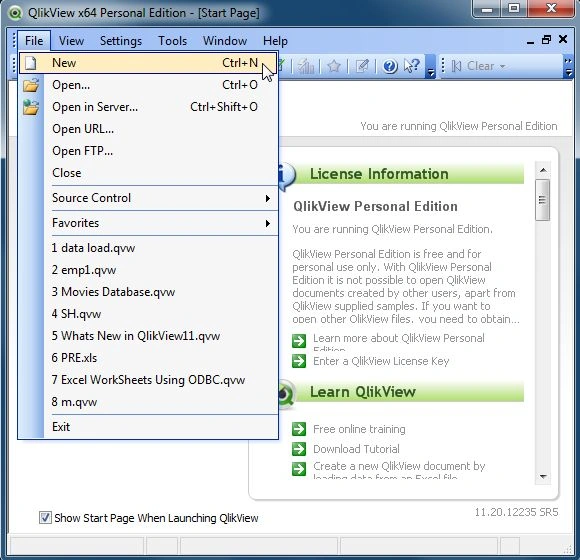
Step 2: Open Edit Script
The second step is open the edit script window from, "File" -> "Edit Script".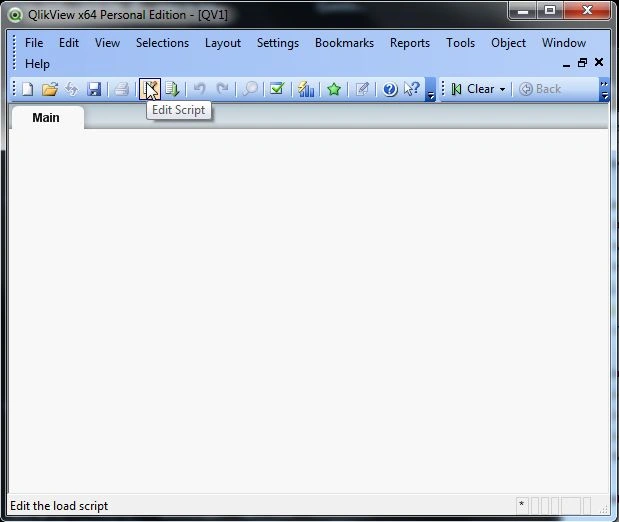
- Then this window will be opened.
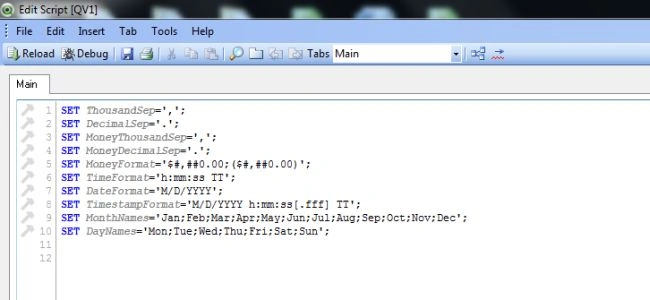
Step 3: Select Database
The third step is to select the database from the data tab and click on the Connect Button.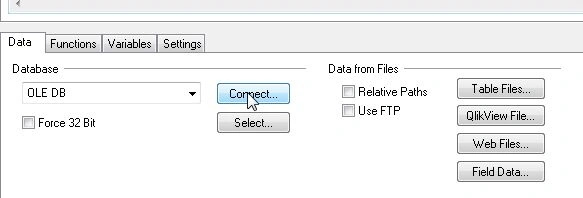
Step 4: Data link property window
In this window we select SQL Server and click on the Next Button.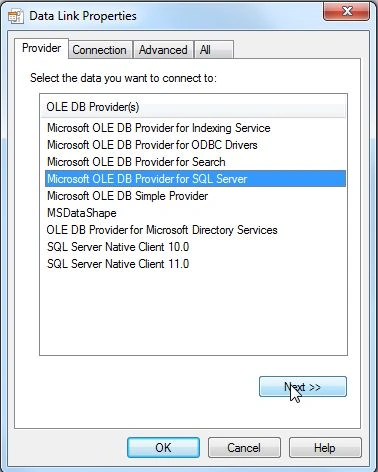
Step 5: Connection tab
In the connection tab, enter the server name and user name and password and select the database from your server and click on the Ok button.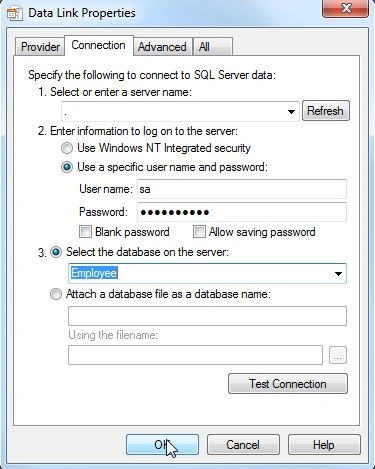
- Then you find that the test connection succeeded.
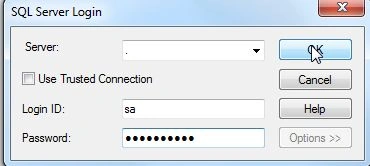
Step 6: Connection to SQL Server
Now you will see the connection to SQL Server as in the following: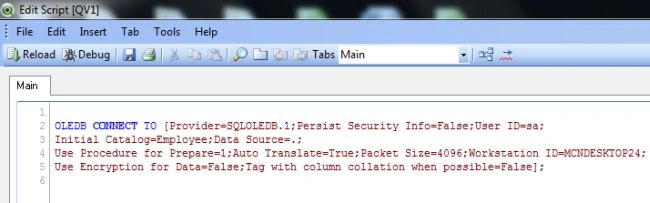
Step 7: Select database
Now the next step is to select the database for loading the data.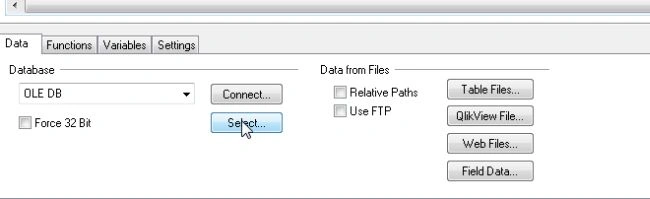
Step 8: Import data
Now the next step is to import data from the database and click on the Ok button.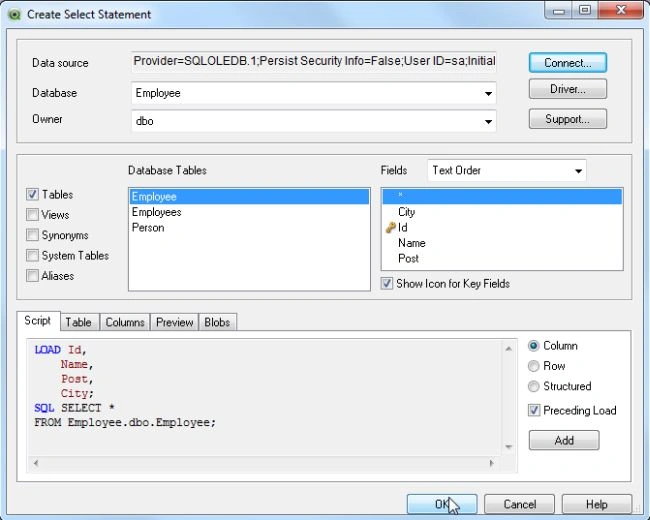
Now data has been imported from the database.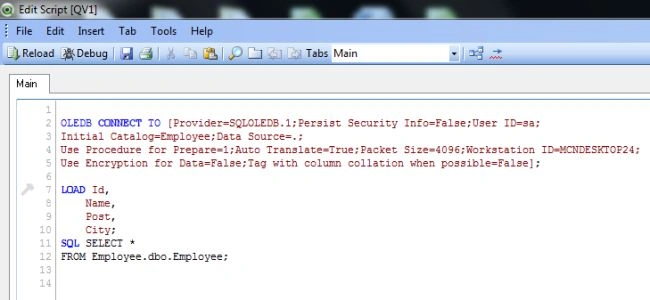
Step 9: Use buffer load and execute edit script
Now we execute the buffer load statement in the QlikView edit script and reload it.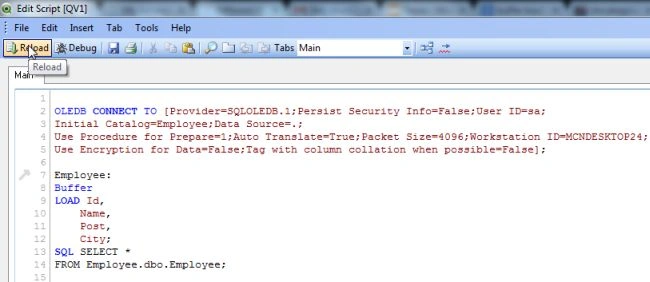
Step 10: Save QlikView file
After reloading the edit script, the next step is to save the QlikView file and click on the Save button.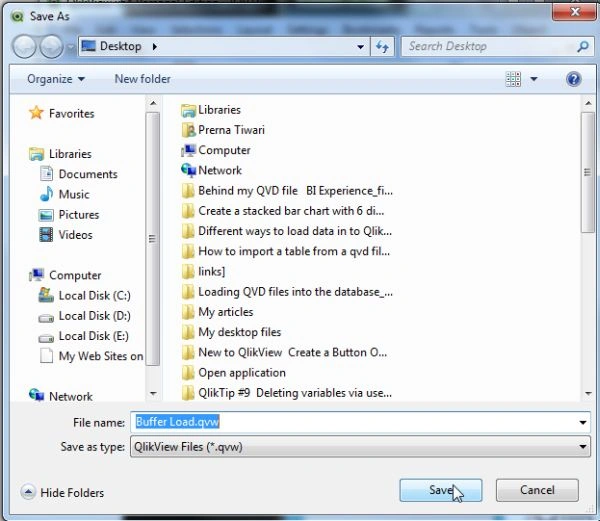
Step 11: Script execution progress
Then the script execution progress window will be opened. Enther the required login Id and password and click on the OK button.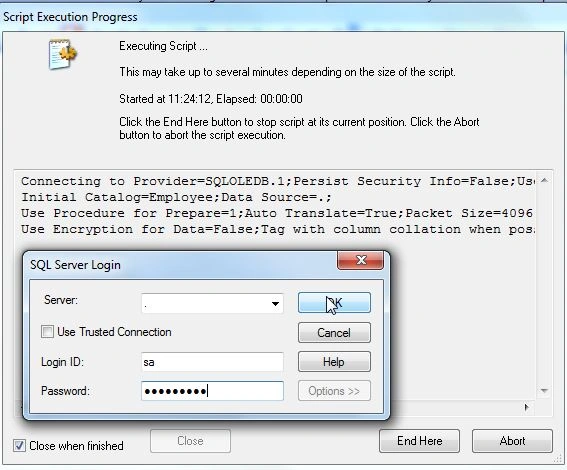
Now here you see the buffer load execution.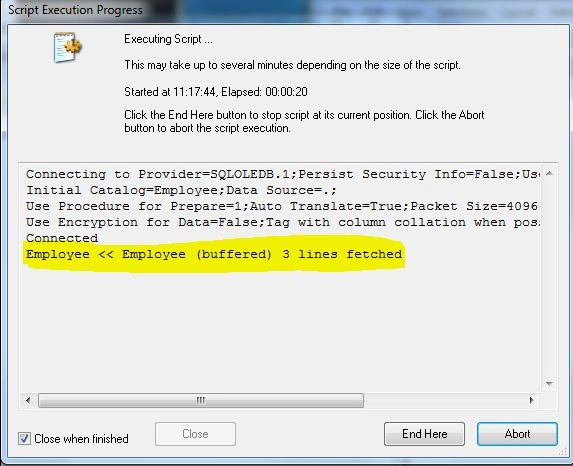
Step 12: Sheet property Window
After this process, the sheet property window will be opened and click on the Ok button.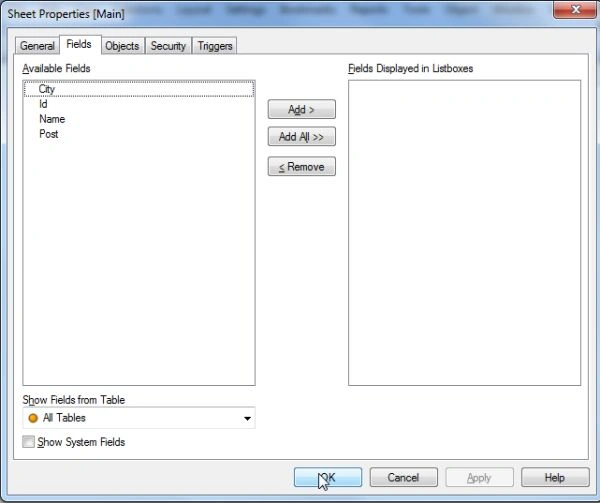
Step 13: Select table box
Now select the table box for displaying data in tabular form.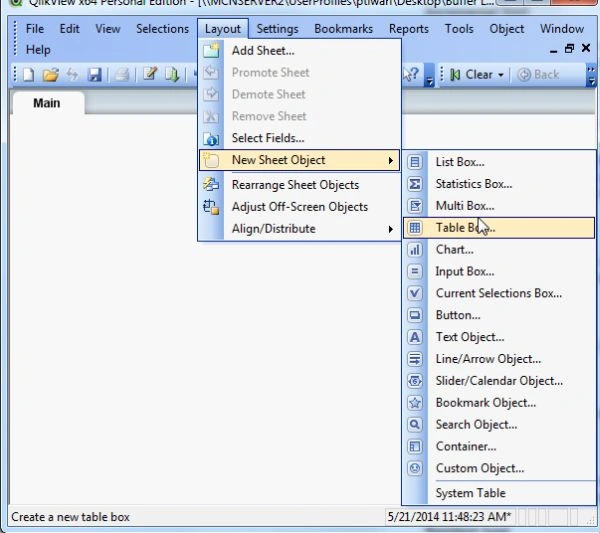
Step 14: New table box
Here select fields for displaying data in tabular form.
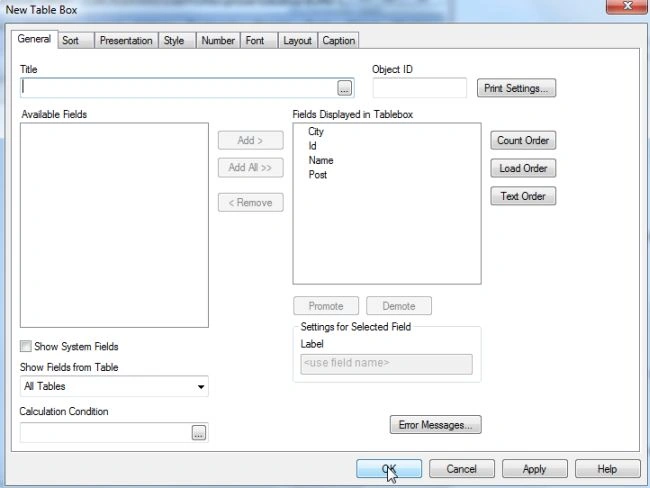
Now you can see the table box.
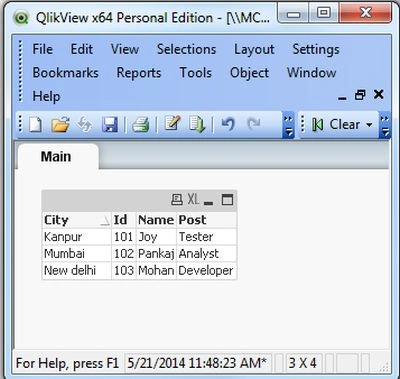
Step 15: Main window
In the main window, in the menu bar go to "Settings" -> "User Preferences".
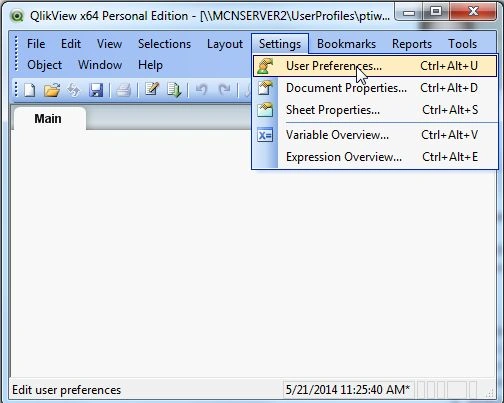
Here you see the location of the buffer load statement.
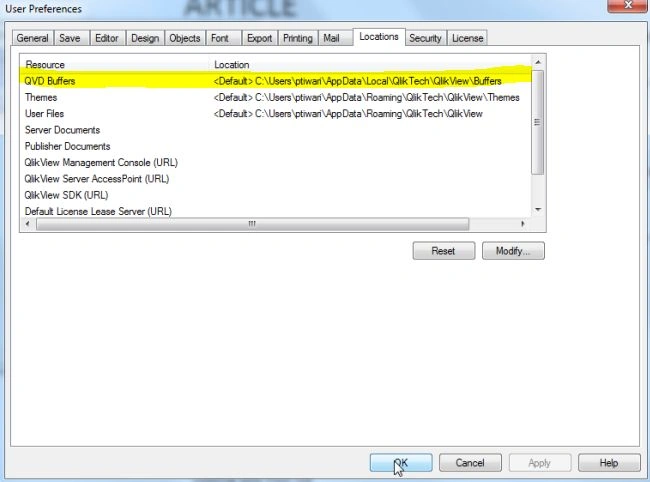
Here you see the default QVD buffer file.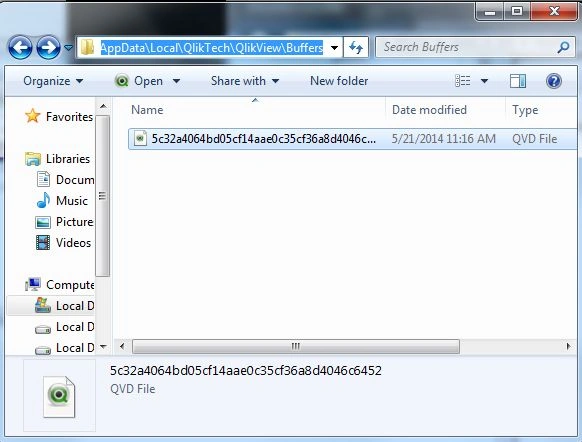
Step 16: Open edit script again
After writing this code.
Stale after 1 hour. After one hour it executes automatically.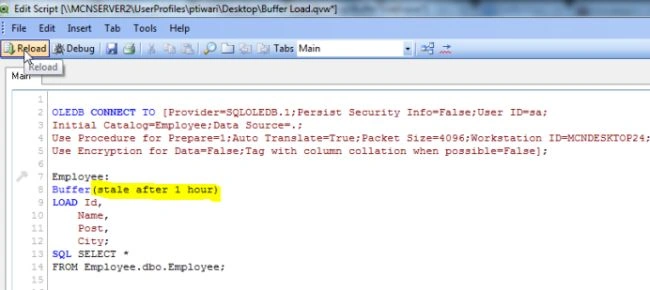
Summary
This article described how the buffer load statement works and how to execute a QVD file.
Sandeep SharmaPosted May 22, 2014, 12:03 AM
w'c
Sandeep SharmaPosted May 21, 2014, 1:12 PM
Nice Name and Nice Article .. @Prerana- so with your help, im gonna xploring .. Thanks (Its a link here if anybody wanna make download for QlikView http://www.qlik.com/us/explore/experience/free-download size almost 348 MB )