

Introduction
In the realm of cloud computing and data management, Microsoft Fabric stands out as a versatile platform that provides a comprehensive suite of tools for data integration, storage, analysis, and management. One of the critical features in Microsoft Fabric is the "mirroring" capability, designed to enhance data reliability and availability, ensuring that businesses can maintain continuity and performance even in the face of disruptions.
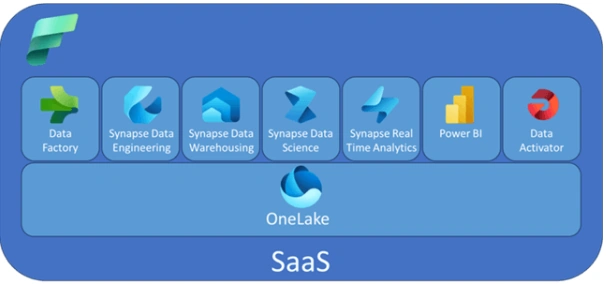
What is Mirroring in Microsoft Fabric?
Mirroring in Microsoft Fabric refers to the process of creating exact copies of data sets across different storage locations. This redundancy ensures that if one copy becomes unavailable due to hardware failure, network issues, or other disruptions, another copy is readily available to take over, minimizing downtime and data loss. Think of it as having multiple backup drives, so if one fails, you have got another ready to go.
Key Benefits of Mirroring
- Data Redundancy: Mirroring provides multiple copies of data stored in different physical locations. This redundancy is crucial for protecting against data loss and ensuring data integrity. It’s like a safety net, keeping your data intact.
- High Availability: By maintaining identical copies of data, mirroring ensures that applications and services can continue to operate without interruption, even if one copy of the data becomes inaccessible. No downtime, no worries.
- Disaster Recovery: In the event of a catastrophic failure, mirrored data can be quickly restored, significantly reducing recovery times and mitigating the impact on business operations. If disaster strikes, mirrored data can be restored quickly, getting you back on track faster.
- Load Balancing: Mirroring can help distribute the load across different servers, improving performance and reducing the risk of overloading a single server. This helps spread the load across different servers, preventing any single server from getting overwhelmed.
- Geographic Distribution: With mirrored data, organizations can store copies in different geographic locations, enhancing data access speeds for global users and providing a safeguard against regional disruptions. Storing data in different locations means faster access for global users and a backup plan if one region goes offline.
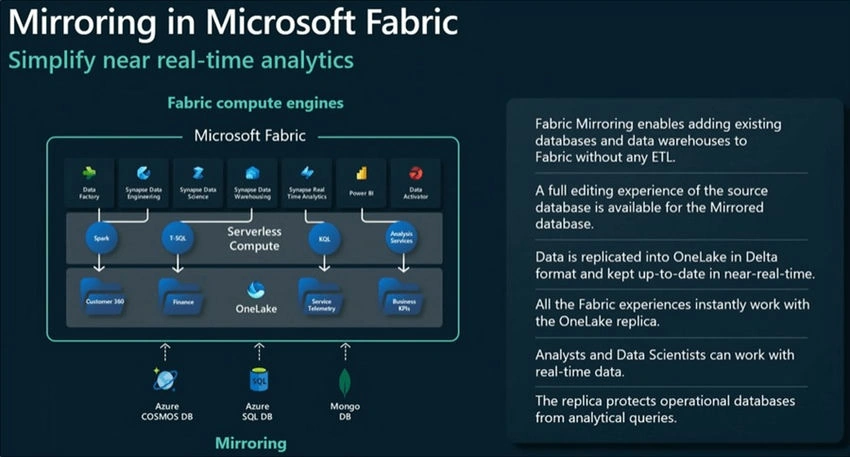
Implementation in Microsoft fabric
Implementing mirroring in Microsoft Fabric involves configuring data storage solutions to automatically replicate data across chosen locations. Microsoft Fabric provides tools and settings to manage this process, including:
- Automated Replication: Users can set up automated processes to ensure data is consistently mirrored without manual intervention. Set it and forget it – your data gets mirrored automatically.
- Monitoring and Alerts: Built-in monitoring tools track the status of mirrored copies and alert administrators to any issues, enabling proactive management. Keep an eye on your mirrored data with built-in monitoring tools and get alerts if something’s off.
- Customizable Policies: Organizations can define policies regarding the frequency of replication, the locations of mirrored copies, and other parameters to meet specific business needs. Tailor the mirroring to fit your needs – decide how often data is replicated, where it goes, and more.
Use Cases
- Business Continuity Planning: Companies can ensure uninterrupted access to critical data and applications, even in the event of primary data center failures. Make sure your critical data and apps are always available, even if your main data center fails.
- Regulatory Compliance: Some industries require data to be stored in multiple locations to meet regulatory requirements. Mirroring facilitates compliance by providing reliable data redundancy.
- Performance Optimization: By distributing data copies across multiple locations, organizations can improve access speeds and responsiveness for users in different regions. Speed up access for users around the world by distributing data copies across different locations.
Conclusion
The mirroring feature in Microsoft Fabric is a powerful tool for enhancing data reliability and availability. By ensuring that data is consistently and securely replicated across different locations, businesses can safeguard against data loss, maintain high availability, and optimize performance. In a world where data is a critical asset, mirroring in Microsoft Fabric helps businesses stay ahead of the game and keep everything running smoothly.
References
Microsoft Fabric official documentation
Image Source: mssqltips.com
Join the conversation! Your thoughts help the community grow.