

If you've spent any time on crypto Twitter or Telegram groups, you've probably seen this line
"We just burned 50% of the supply! "
Sounds exciting, right? But here’s the truth: not all token burns are good for holders, and many are designed to manipulate the market.
As 2025 brings in a new wave of altcoins, more and more low-cap tokens are using flashy burn tactics to pump prices, attract naive investors, and then quietly dump on them. If you’re holding for the long term, this can destroy your portfolio.
This article will help you understand
- What does token burning really mean
- How bad actors misuse burns to fake scarcity
- The red flags to watch for
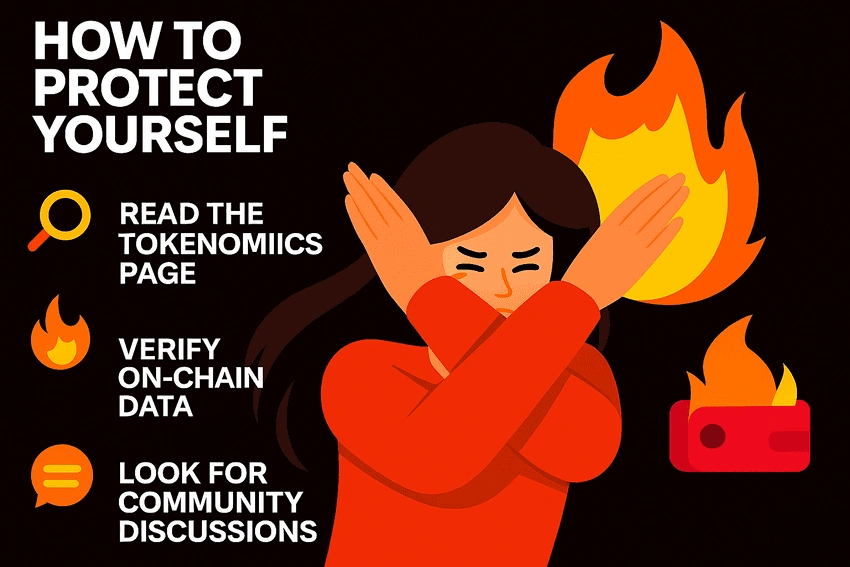
- How to verify real, transparent tokenomics
- And how tokens like Sharp Token take a trust-first approach by skipping the gimmicks
Let’s break it all down—so you don’t get burned by fake burns.
Why Token Burns Can Be Misleading
Many low-cap tokens today use “token burns” as a marketing tactic. At first glance, burning tokens sounds like a good thing—it reduces supply, right? That should increase value, right? Not always. In fact, many shady projects manipulate supply burns to create fake scarcity, drive FOMO, or hide large wallet dumps. These tactics are especially dangerous for long-term holders.
What Is a Token Burn?
A token burn is when a project permanently removes tokens from circulation by sending them to an unspendable (burn) address. In theory, this reduces supply and makes remaining tokens more valuable.
Legitimate Burns
- Announced clearly ahead of time
- Tied to revenue (e.g., % of fees burned)
- Verifiable on-chain
Manipulative Burns
- Random or secretive burns
- Used to pump price before a dump
- Lack of explanation or traceability
Red Flags to Watch Out For
| Red Flag | What It Means | Why It’s Risky |
|---|---|---|
| 🔇 No clear burn policy | No consistent rules | Can be changed to fit insider agendas |
| 📉 Sudden, huge burns | Burned right before big news | Might be masking insider selling |
| 🤐 No transparency in tokenomics | Can't verify total supply | Likely hiding large allocations or dumps |
| 🪙 High minting privileges | Devs can mint AND burn | Dangerous central control |
Join the conversation! Your thoughts help the community grow.