

Introduction
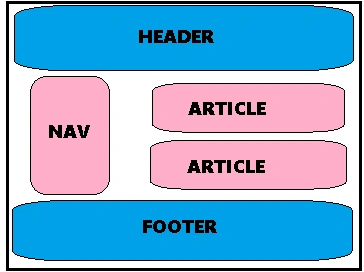
Semantic HTML is the practice of using HTML markup to convey the meaning or purpose of the content on a web page rather than just its visual appearance. This means using HTML elements that have specific meanings, such as <header>, <nav>, <main>, <article>, <section>, <aside>, etc., to structure the content of the page in a logical and meaningful way.
Disadvantages of using Non-Semantic HTML
-
Poor Accessibility- Using non-semantic HTML makes navigating your website difficult for users who rely on screen readers. For instance, screen readers may be unable to differentiate between different sections of your website, making it harder for users to find the information they need.
-
Difficult to maintain- Non-semantic HTML can be difficult to maintain and update because it does not provide a clear structure. This can make it challenging to update your website or change the design.
-
Poor SEO- Search engines use semantic HTML to determine a webpage's relevance to a particular search query. If your website does not use semantic HTML, it may not rank as highly in search engine results pages.
-
Inconsistent Design- Non-semantic HTML often results in a website with an inconsistent design. This is because developers use generic HTML tags to create specific designs, which can cause issues when it comes to updating the website or maintaining a consistent visual brand.
Code snippet with no semantic element
Now we will see the HTML code.
<body>
<div>
<span>SEMANTIC HTML</span>
<div>
<a>ONE</a>
<a>TWO</a>
<a>THREE</a>
<a>FOUR</a>
</div>
</div>
<div>
<div>
<div>FIVE</div>
</div>
<div>
<div>SIX</div>
<div>SEVEN</div>
<div>EIGHT</div>
</div>
</body>
Advantages of using Semantic HTML
-
Improved Accessibility- Semantic HTML provides a clear structure for your website, making it easier for users who rely on assistive technologies such as screen readers to navigate your site. This improves the overall accessibility of your website and ensures that all users can access your content.
-
Better SEO- Semantic HTML provides a clear structure and meaning to your website, making it easier for search engines to understand and index your content. This can result in better search engine rankings and increased visibility for your website.
-
Easier Maintenance- Semantic HTML makes it easier to maintain and update your website. Because the structure is clearly defined, it is easier to make changes to your website without affecting the overall design or functionality.
-
Consistent Design- Using semantic HTML helps ensure a consistent design across your website. By using the appropriate HTML tags for each section of your website, you can maintain a consistent visual brand and user experience.
-
Future-proofing- Semantic HTML is designed to be forward-compatible, meaning it can be used with new technologies and devices as they emerge. This helps future-proof your website and ensures that it will remain accessible and functional for years to come.
Code snippet with semantic elements
<header>
  <h1> SEMANTIC HTML</h1>
  <nav>
    <a>one</a>
    <a>two</a>
    <a>three</a>
    <a>four</a>
  </nav>
</header>
<main>
  <header>
    <h1>five</h1>
  </header>
  <section>
    <h2>six</h2>
    <p>seven</p>
    <p>eight</p>
  </section>
</main>
<footer>
  <p>Bottom</p>
</footer>
Explanation
The first block of code lacks meaning due to the absence of semantic elements. On the other hand, the second code example is structured using semantic elements which convey the purpose and meaning of the content, even to a non-coder. Semantic markup is significant because it allows for easy interpretation by automated tools and developers. By using semantic elements, the developer can understand the page layout, even if they don't understand the content. Furthermore, using semantic markup can enhance the accessibility, SEO, and maintainability of the website.
Benefits of Semantic HTML
Here are some main benefits of semantic HTML
- Accessibility- By using semantic HTML, web developers can create web pages that are more accessible to users with disabilities, such as those using screen readers or other assistive technologies. The semantic markup provides a clear structure and context for the content, making it easier for these users to navigate and understand the content.
-
Search engine optimization (SEO)- Search engines like Google rely on semantic HTML to understand the content of a web page and to rank it in search results. By using semantic markup, web developers can help search engines understand the purpose and meaning of the content on the page, which can improve the page's visibility and ranking in search results.
-
Maintenance and scalability- Semantic HTML can make it easier to maintain and update web pages over time, especially as the content and structure of the page change. By using meaningful and structured markup, web developers can create a more modular and reusable codebase that can be easily adapted and scaled.
Summary
Using Semantic HTML is an important best practice in web development that can have several benefits for websites. It can improve accessibility, SEO, and maintainability, making websites more user-friendly and easier to manage in the long term. Therefore, it's recommended that web developers use semantic HTML whenever possible to create high-quality, effective websites.
FAQ's
Q1- What does semantic mean in HTML?
A- In HTML, "semantic" refers to the meaning or purpose of a piece of code rather than its visual appearance. Semantic HTML is written in a way that clearly describes the structure and content of a webpage using HTML tags that reflect their meaning and purpose.
Q2- What is the future of Semantic HTML?
A- The future of semantic HTML looks promising, as it continues to play a vital role in creating accessible, search engine optimized, and maintainable websites. As web development continues to evolve, we can expect to see new developments and trends that further enhance the use of semantic HTML.
Q3- Why write semantic HTML?
A- Writing semantic HTML is important because it helps to improve website accessibility, search engine optimization, maintainability, consistency, and future-proofing. By using semantic HTML, you can create websites that are accessible, functional, and easy to maintain, ensuring a positive user experience for all visitors.
Join the conversation! Your thoughts help the community grow.