

Introduction
This article explains how arrays in Java works. The Netbeans 7.3.1 IDE is used for sample programs.
Java Array
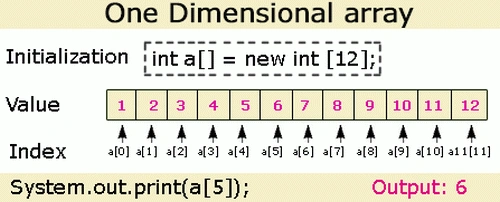
Normally, an array is a collection of similar type of elements having a contiguous memory location.
In terms of computer programming languages, an array is an object that contains elements of similar data types. It is a data structure where we can store similar types of elements. We can store only fixed elements in an array.
An Array is indexed based; the first element of the array is stored at index 0, the last at the last index.
Advantages
- Code Optimization
Beneficial for retrieving or sorting the data easily.
- Random Access
We can randomly get any data located at any index position.
Disadvantage
- Size limit
Arrays are limited in size (the size is declared only once and it doesn't grow its size during runtime). To solve this problem, collections are used in Java.
Types of arrays
- Single-dimensional
- Multi-dimensional
1. Single-dimensional
Syntax
data_type[] reference_variable; or
data_type []reference_variable; or
data_type reference_variable[];
Initialization
reference_variable=new data_type[size];
Example
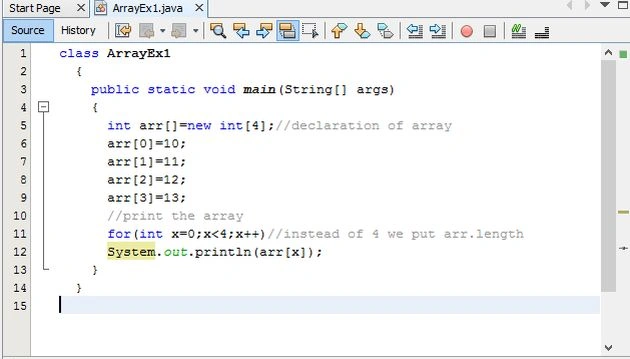
Open the Netbeans IDE then click on "File" -> "New project" then choose "Java project" then provide a name (for example "JavaArray") then click on "Ok".
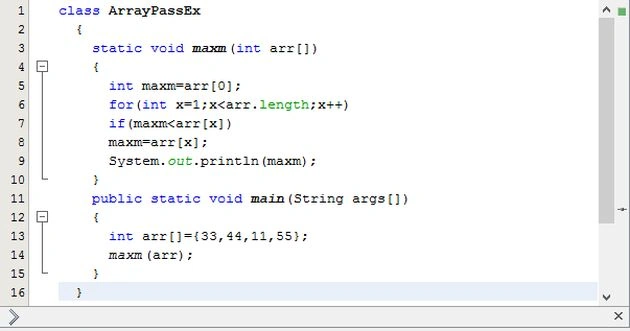
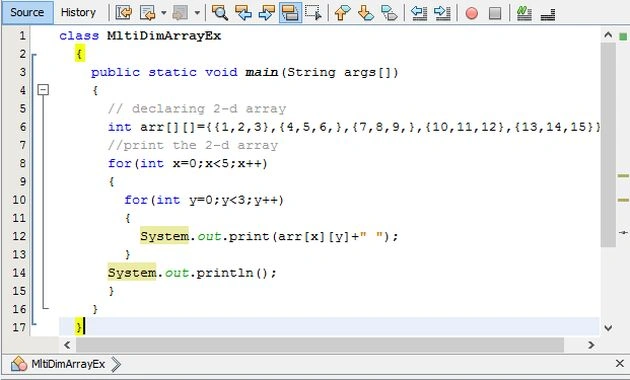
Then right-click on our project and choose "New" -> "Java class" and then give your class name (as ArrayEx1.java) and click "Ok" then provide the following code there.
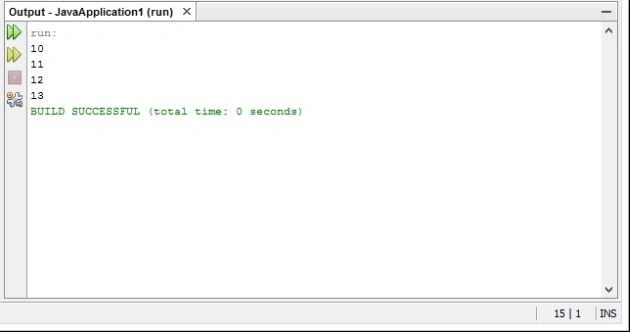
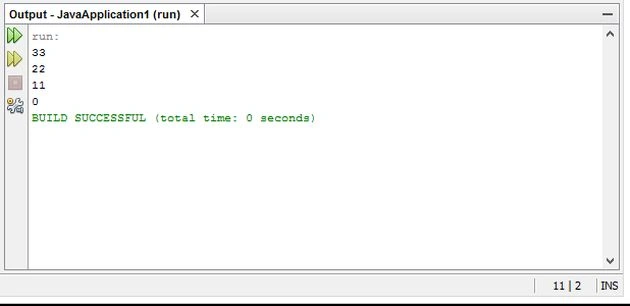
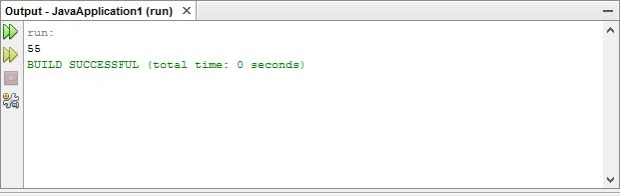
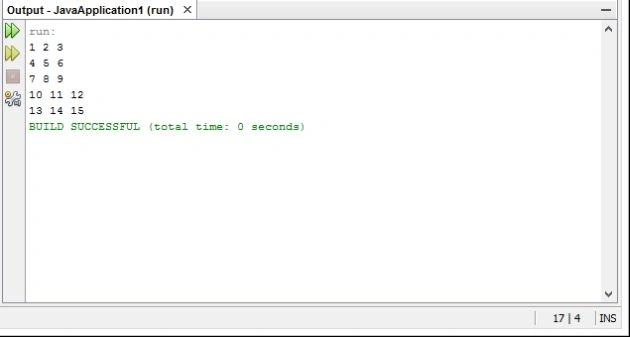
Output
Join the conversation! Your thoughts help the community grow.